
The protection should come off. Your paint should stay.
Paint protection film (PPF) is installed to help preserve your car's finish against everyday road exposure. But if you intend to keep your car for years, one question matters just as much as the film's performance on installation day: what happens when it is time to take it off?
Can PPF removal damage car paint? Yes, it can under certain conditions. Suitable automotive PPF is designed to be removable, and professionally removing compatible film from sound original factory paint is generally a lower-risk situation. However, weak or repainted paint, existing chips or clear-coat failure, severely deteriorated film and improper removal can increase the risk of paint lifting or damage. Neither a premium film nor an experienced installer can guarantee zero risk on every vehicle.
At Ceramic Pro and Magnus Pro Malaysia, we encourage car owners to consider the complete lifecycle of paint protection: selecting the right film, installing it carefully, maintaining it correctly, and assessing it professionally before removal or replacement. The aim is to preserve the existing finish wherever possible, rather than discover avoidable problems years after installation.
This guide is for new-car owners considering PPF, owners of older or deteriorated film, and used or reconditioned vehicle buyers who may not know the paint or film history of their car.
The essentials
Seven key takeaways
Sound factory paint is the preferred starting point.
Repaired, repainted or deteriorating paint requires a separate risk assessment.
Removability is not a zero-risk guarantee.
Film, adhesive, substrate condition, prior work and removal technique all influence the outcome.
Film damage and paint damage are not the same thing.
Cracking, yellowing or adhesive residue does not automatically mean the paint beneath is damaged.
Do not wait for severe deterioration to seek advice.
Widespread cracking, lifting or brittleness warrants inspection before further exposure makes assessment or removal more difficult.
A warranty expiry is not an automatic replacement date.
Consider actual film condition, product instructions and the applicable written warranty together.
Professional removal includes inspection and a stopping decision.
A responsible installer should explain what can be assessed before work and what can only be discovered afterwards.
Choose a protection provider for the entire ownership cycle.
Product traceability, workmanship, documented aftercare and clear replacement options matter alongside the original installation price.
1. Does removing PPF damage original factory paint?
A suitable film fitted to intact, properly bonded factory paint is intended to be a removable protective layer. Its adhesive holds the film in place during use but is not intended to permanently change the underlying finish. With an appropriate removal method, the protective film can often be taken off without damaging sound paint.
However, original paint is not automatically perfect. A previously chipped edge, a failing clear coat, corrosion, an old scratch or damage from a previous installation can change the situation. A vehicle described as having original paint may also have small repaired areas that are not obvious in ordinary lighting.
The most useful distinction is not simply original versus repainted. It is sound, compatible paint versus paint of uncertain or compromised adhesion. Factory paint in good condition usually offers the more reassuring starting point, but the condition of the actual panel is what matters. An installer should not use a single photograph or a vehicle's age as a substitute for inspection.
If you are buying PPF for a new car, keep the vehicle's paint condition and installation records. If you already have film, have unusual changes assessed before deciding whether to remove or replace it.
2. How PPF adhesive bonds to automotive paint
PPF is a layered product. A typical automotive film combines a protective polymer layer, a surface finish or topcoat where applicable, and an adhesive engineered to attach it to compatible surfaces. The adhesive is important in two different ways: it must keep the film attached in service, and it must behave predictably when the film is eventually removed according to its instructions.
During years of use, the film and adhesive may change as a result of exposure, contamination, mechanical stress and ageing. Removal is a separation process: the installer must separate the film and adhesive from the vehicle without imposing unnecessary stress on the paint system. The underlying paint itself consists of layers that also need to remain bonded to one another and the panel.
Adhesive residue is one possible outcome even when the paint remains intact. Residue requires suitable cleaning and inspection; it is not the same as missing clear coat. Conversely, a film that comes away in one piece does not prove that every underlying paint layer is undamaged. Examine the exposed surface before drawing a conclusion.
When selecting film, ask for its exact product identity and the manufacturer's maintenance and removal guidance. Thickness, gloss and a self-healing demonstration do not tell you everything about how a film and its adhesive will behave after years on the road.
3. Original factory paint vs repainted panels: understand the risks
Factory finishes and repair finishes can both be durable when properly prepared and applied. Repainted panels are not automatically unsuitable for PPF. The difficulty is that previous repair quality, preparation, materials, curing and adhesion are often unknown to the next installer. A repaint can look excellent from the outside while its underlying adhesion differs from the factory finish.
A body shop's recommended curing period matters before fitting new film. There is no universal number of days that applies to every paint system, repair environment and film. Ask the refinisher whether the paint is sufficiently cured and suitable for adhesive film, then follow the applicable film manufacturer's guidance. Dry-to-touch paint is not necessarily ready for PPF.
A professional may use visual inspection, repair history and, on suitable substrates, paint-thickness readings to investigate prior work. A thickness reading does not prove adhesion and cannot reliably identify every repair; readings may also depend on the gauge and substrate. No non-destructive inspection can promise that a hidden weakness will never be revealed during removal.
Paint condition and removal considerations
| Surface or film condition | Relative concern | Recommended decision |
|---|---|---|
| Intact original factory paint with identifiable, serviceable film | Generally lower, not zero | Confirm compatibility and use professional removal |
| Repainted panel with known repair history | Variable | Check refinisher instructions, cure and condition |
| Unknown repaint or used-car repair history | Uncertain | Inspect panel by panel and agree risk before proceeding |
| Chips, peeling clear coat or existing paint failure | Elevated | Obtain assessment; paint repair may be necessary |
| Severely cracked or brittle film on unknown paint | Elevated and difficult to predict | Specialist inspection and staged removal decision |
| Adhesive residue on otherwise intact paint | Cleaning and inspection needed | Use paint-compatible professional residue treatment |
These are qualitative decision categories, not measured probabilities or guarantees. The same car can contain several different risk categories across its panels.
4. Why paint can peel when PPF is removed
Paint lifting occurs when the force involved in removal exceeds the strength of part of the paint system or when unsuitable tools, heat or chemicals damage the surface. This can expose weaknesses in a previous repair, a damaged edge or a finish that was already failing. Poor removal can also introduce new damage to paint that was otherwise serviceable.
Sometimes the source of a visible defect is not immediately apparent. A cloudy patch may be adhesive residue, the film's own deterioration or a problem in the paint beneath. A mark along a panel edge may have been present before the film was removed. The responsible approach is to inspect, document and distinguish these possibilities rather than immediately assign blame to the film, paint shop or installer.
If the technician observes paint beginning to lift or a surface reacting unexpectedly, further removal in that area should be reassessed rather than forced. An agreed process for documenting unexpected findings and discussing next steps is particularly important for unknown film or repaired panels.
Watch: The Dark Side of Low-End PPF — CPVLOG #010

Ceramic Pro Malaysia's workshop video highlights examples of cracked film, edge-finishing concerns, film removal and the risks discussed when paint protection deteriorates. It shows why customers should ask about long-term material behaviour and workmanship, not only how the car looks on installation day.
The examples are educational, not a controlled comparison of film brands or proof that all affordable PPF fails. The footage alone does not establish the identity, age, maintenance history or root cause of each affected film or paint surface.
5. Does PPF quality influence removal difficulty?
Film construction, adhesive formulation, consistency and environmental stability can influence how a film behaves during service and at removal. A film that remains sufficiently coherent may be easier to handle than one that has become brittle and fragments repeatedly. But film quality is only one part of the decision. Installation history, underlying paint condition, service exposure and removal method remain relevant regardless of brand or original price.
A low quote does not by itself prove a film will crack or cause paint damage. Likewise, a high quote does not prove that a product will remain unchanged indefinitely. Ask for evidence that is specific to the offered film: its exact model, construction, official written warranty, aftercare instructions and the provider's process when the film needs to be replaced.
Our TPU vs TPH vs PVC PPF guide explains why material categories matter when buying film. For removal, go one step further: consider the complete material and adhesive system, not a polymer label alone. Two products with a similar material description may differ in adhesive, topcoat, manufacturing quality and documented service support.
6. Old PPF in Malaysia: yellowing, cracking, lifting and brittleness
Malaysia's tropical climate makes long-term exposure a relevant buying consideration. Cars parked outdoors may encounter strong sunlight, heat, rainfall, road contaminants and repeated wetting and drying. Vehicles kept under cover and maintained carefully can have different exposure patterns. There is no reliable calendar that predicts the condition of every installed film from climate alone.
Look for changes that deserve inspection: widespread cracks, increasing discoloration that does not improve with suitable cleaning, edges lifting beyond a small isolated area, film that appears brittle, or a surface that is peeling or separating. These symptoms are not interchangeable, and a visual observation does not diagnose the underlying cause. A temporary stain, surface contamination and structural film failure require different responses.
If deteriorating film remains on the car, fragmentation and adhesive separation may make later work more involved. Seek advice before attempting to peel a corner or polish damaged film. Do not use aggressive cleaners simply because the discoloration is frustrating; they may affect the film or finish and complicate any warranty review.
The PPF lifespan guide covers durability and maintenance in greater depth. This guide focuses on the point at which continued use, removal or replacement becomes a decision.
7. Should PPF be removed when the warranty expires?
A warranty period is a contractual coverage period, not a precise prediction of the film's physical lifespan. A film might need attention before expiry, or remain serviceable afterwards. If a change could be a covered defect, contact the provider before removing or modifying the film and follow the claim process. Removing the evidence without authorisation can make the issue more difficult to assess.
For film approaching the end of its coverage, arrange an inspection if there are symptoms, uncertainty about the product or a planned change of ownership. The installer can advise whether maintenance, monitoring, repair of an isolated issue where appropriate, or replacement makes sense. Do not treat a long warranty as permission to ignore cracking or lifting.
The local After Care & Warranty terms explain that damage arising from incorrect removal or improper care is excluded. Warranty eligibility depends on the applicable product terms and ownership status. Ask for the terms relevant to your actual installation rather than assuming a new purchase or removal service extends existing coverage.
8. How a professional approaches PPF removal
Professional removal starts with an assessment, not with pulling film off the car. The workshop needs to understand which film is fitted, how much of the car is covered, whether paintwork has been repaired and whether the existing material shows signs of failure. It should agree the scope with the owner and record visible concerns before work begins.
The removal method should be selected for the existing product, paint and condition. Professionals may use controlled warming or other approved techniques when appropriate, but the correct approach is product- and surface-dependent. Excessive heat, unsuitable solvents and sharp tools can cause damage. Once the film is removed, suitable residue treatment and inspection reveal whether the exposed finish can be protected again or needs further work.
A professional assessment also establishes when work should pause. If the film fragments unexpectedly, paint starts lifting or a chemical reaction is suspected, the installer should review the area and discuss the options. The objective is not to remove a full wrap as fast as possible; it is to make an informed decision at each stage while minimising avoidable damage.
The Certified Installer & Workmanship guide explains the value of practical training and inspection. Removal requires its own relevant experience and product knowledge; a certificate alone is not proof of a guaranteed outcome.
9. Is DIY PPF removal worth the risk?
An intact film may look easy to peel in a demonstration. That does not mean an unknown, aged or damaged installation will behave the same way. Improvised heat, unsuitable cleaning chemicals, metal blades and forceful pulling may introduce damage that was not present before. Hidden film edges around trim and sensors can also make a seemingly simple job more complicated.
If you notice lifting or deterioration, photograph the affected area and contact the installer or a suitable protection specialist. Avoid pulling loose sections further, and do not experiment with solvents or heat to see whether the film softens. Follow the provider's instructions for protecting the area while you arrange an inspection.
For a car with a possible warranty claim, contact the original provider before authorising removal elsewhere. If you cannot identify the film or installer, tell the workshop that the history is unknown. A removal quotation should reflect that uncertainty rather than imply a fixed amount of work for every panel.
10. Can old PPF be replaced with new PPF?
Yes, replacing existing PPF is often possible once the old film has been removed and the exposed paint has been assessed. Replacement may involve a single panel, several high-impact areas or a complete wrap, depending on the film's condition, coverage and the customer's priorities.
A panel with fresh replacement film may look slightly different from surrounding older film because of age, finish, colour or contamination. This is particularly relevant for matte and coloured products. The workshop should explain whether an isolated replacement will provide an acceptable match and whether adjacent sections need assessment.
If exposed paint needs repair, the sequence matters: investigate and resolve the paint condition first, allow the repair to cure according to the applicable instructions, then decide whether new film is appropriate. Do not conceal failing paint beneath a new wrap or assume a coating can restore missing clear coat. If the existing film was damaged in a collision, our Accident & Protection Restoration guide explains related insurance and restoration considerations.
The Ceramic Pro and Magnus Pro PPF range includes different protection options, including Ceramic Pro CPF, Urban PPF and Magnus Pro PPF. Confirm the exact available product, coverage, written terms and replacement suitability at the time of enquiry. An assessment of the old film is separate from selecting the new one.
11. Can Color PPF be removed to return to the original car colour?
One appeal of colour paint protection film is the ability to change the visible finish without repainting the entire vehicle. The original finish remains beneath the film, provided it was sound when covered and has not subsequently been damaged. This does not make every colour change perfectly reversible in every circumstance.
Ceramic Pro's SHIFT Color PPF product information describes the film as designed for professional removal from sound original factory paint. It also recommends assessment where paint has been repaired, repainted or deteriorated. That distinction is especially important for a full-colour wrap because the number of panels involved increases the possibility of different underlying paint conditions.
After removal, the exposed finish may not look identical across every panel. Pre-existing defects, differing exposure of protected and unprotected surfaces, previous repairs or adhesive residue can affect the appearance. A proper inspection should establish what is cleanable and what requires paintwork attention before the next finish is selected.
If changing or restoring the dominant vehicle colour, check the current JPJ registration requirements applicable to the resulting colour. This guide concerns paint preservation, not a substitute for current registration advice.
12. Buying a used or reconditioned car with existing PPF
A used vehicle may have film fitted before you became its owner. The seller may not know the original product, date, installer or whether individual panels were replaced. Even a glossy-looking wrap can conceal prior repairs, and an older film should not be taken as proof of the underlying paint condition.
Ask for the original invoice, product identification, installation date, warranty documents and any accident or paint-repair records available. Check whether the product warranty can be transferred; Ceramic Pro Malaysia's published local terms specify that warranty is non-transferable to subsequent owners. Confirm the actual installation's terms before assuming it is covered.
If the film is sound, there may be no reason to remove it immediately. If it is deteriorating or you want to change the car's finish, ask for an assessment and separate estimates for removal, residue treatment where necessary, possible paint-related work and replacement. A used-car inspection and a PPF removal assessment serve different purposes; neither guarantees that hidden repairs will be identified.
Customer checklist before authorising removal
| What to establish | What to ask or record |
|---|---|
| Existing film | Brand, model, approximate age, coverage and installation records |
| Paint history | Factory paint, known repainting, repair documents or unknown areas |
| Visible condition | Cracks, lifting, chips and existing surface concerns documented |
| Warranty | Applicable terms and whether inspection or approval is needed first |
| Scope and estimate | Panels, removal, residue cleaning and potential additional work separated |
| Unexpected findings | How work pauses, how findings are documented and when approval is needed |
13. Choose PPF for its entire lifecycle, not just its installation price
A PPF quotation should explain more than thickness, gloss and warranty years. The more useful conversation is whether the film is suitable for the car today and how the provider will support the vehicle when it eventually needs maintenance, inspection or replacement. A strong finish at delivery is only the beginning of that relationship.
When comparing options, ask for an identifiable product, a paint-condition assessment where appropriate, trained workmanship, written coverage, maintenance guidance and a realistic removal plan. A provider should be able to explain both the benefits and the limitations without promising that every surface can be returned to perfect condition. If the car has previously been wrapped by another installer, be transparent about its history; ask whether the receiving outlet can assess the film before committing to removal.
Ceramic Pro and Magnus Pro Malaysia offer a range of automotive protection solutions and an established outlet network. If you are considering new PPF or assessing existing film in Glenmarie, Petaling Jaya, Kuala Lumpur or elsewhere in Malaysia, start with our locations directory. Ask the selected outlet about the availability and scope of professional film assessment, removal and replacement for your particular vehicle before booking. No blanket service or removal price applies to every car.
Final verdict — Protection worth thinking about from day one
PPF is designed to protect a suitable automotive finish during use and to be removable when the time comes. Sound original paint, compatible film, appropriate maintenance and professional removal make the most reassuring combination. Repainted or damaged surfaces and deteriorated film need more caution. The right decision is based on the actual vehicle, not a promise that all PPF comes off perfectly or that all inexpensive film damages paint.
Choose protection that is identifiable, professionally installed and supported throughout ownership. When the time comes to renew it, make preserving the underlying finish the priority.
Frequently asked questions
Put the information into practice
Explore Magnus Pro Window Film for the existing Nano Ceramic and Nano Titanium range. Find a Ceramic Pro Malaysia location to discuss your vehicle, the proposed specification and a written quotation.
Related reading
- What's the Best Way to Prevent Scratches on Your Car's Paint?
- How to Protect Your Car Interior in Malaysia: Leather, Dashboard, UV & Stains
- Why Professional Spray Application Is the Superior Approach to Ceramic Coating Coverage
- Why Choose Ceramic Pro? Global Trust, Malaysian Experience & Warranty Protection
- Why Luxury & Supercar Owners Choose Ceramic Pro for Paint Protection in Malaysia
- How to Protect Car Paint from Bird Droppings, Tree Sap & Acid Rain in Malaysia
- Best Car Wash in Malaysia: How to Choose a Quality Car Wash
- Panoramic Sunroof Too Hot? How to Reduce Heat in Malaysia
- Premium vs Affordable Car Tint in Malaysia: Does Paying More Mean Better Heat Rejection?
- How Does Ceramic Pro 9H Multi-Layer Coating Work? Science, Testing & Benefits
- Window Tint vs Windshield Protection Film: Which Protects Against Stone Chips?
- Can You Take a Ceramic-Coated Car to a Car Wash in Malaysia?
- PPF vs Vinyl Wrap in Malaysia: Which Is Better for Colour and Paint Protection?
- TSER vs IRR: The Real Measure of Car Tint Heat Rejection in Malaysia
- What Is 9H Ceramic Coating? Hardness, Benefits & Protection Explained
- PPF Thickness Explained: Is 7 Mil, 8 Mil or 10 Mil Better in Malaysia?
- Does Darker Car Tint Reject More Heat? TSER, IRR & VLT Explained
- Should You Ceramic Coat a New Car in Malaysia?
- Does Paint Protection Film (PPF) Prevent Stone Chips in Malaysia?
- How Long Does Car Window Tint Last in Malaysia?
- How to Maintain Ceramic Coating in Malaysia: Complete Aftercare Guide
- Clear PPF vs Color PPF: Which Is Better for Your Car in Malaysia?
- Nano Ceramic vs Nano Titanium Window Tint: Which Is Better in Malaysia?
- Ceramic Coating vs Wax: Which Is Better for Your Car in Malaysia?
- How to Care for Paint Protection Film (PPF) in Malaysia
- How Does Self-Healing Paint Protection Film (PPF) Work?
- How Long Does Paint Protection Film (PPF) Last in Malaysia?
- How to Choose a Trusted PPF Installer in Malaysia
- Should You Install PPF on a New Car in Malaysia?
- Is Paint Protection Film (PPF) Worth It in Malaysia?
- Full Front vs Full Body PPF: Which Is Better in Malaysia?
- What Is the Best Paint Protection Film (PPF) in Malaysia for 2026?
- Is Sunroof Protection Film Worth It in Malaysia?
- How Often Should You Wash Your Car in Malaysia?
- How to Protect Your Windscreen from Stone Chips in Malaysia
- What Is the Best Ceramic Coating in Malaysia for 2026?
- How Long Does Ceramic Coating Last in Malaysia?
- Is Ceramic Coating Worth It in Malaysia?
- How to Choose the Best Car Tint in Malaysia
- Tinted JPJ Rules in Malaysia: VLT Limits Explained
- Car Tint Prices in Malaysia: What Affects the Cost?
- PPF vs Ceramic Coating: Which Is Better for Your Car?
- PPF Price in Malaysia: What Affects the Cost?
- Car Coating Price in Malaysia: How Much Does Ceramic Pro Cost?
Sources and methodology
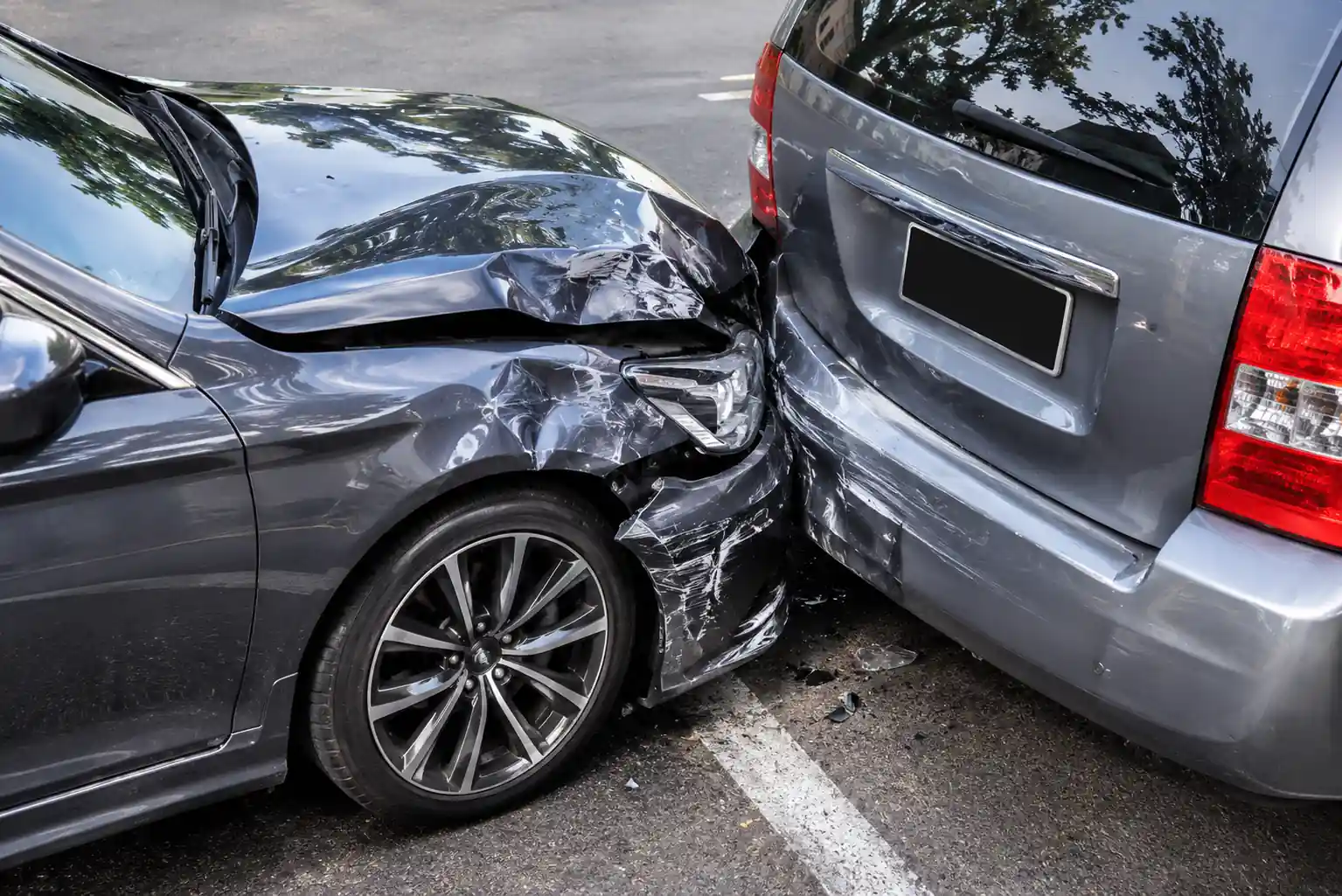
This first-party guide is published by Ceramic Pro Malaysia, a provider of automotive protection products and services. It combines local published product and warranty information, general paint/adhesive separation principles and the supplied Ceramic Pro workshop video. The video illustrates examples, not a controlled material test, independent comparison or verified diagnosis of each vehicle. The main hero is an illustrative image, not a photograph documenting a specific customer removal outcome. Technical decisions should follow the actual film manufacturer's instructions, refinisher guidance and inspection of the vehicle. No numerical failure rates or guaranteed paint outcomes are claimed.
- Ceramic Pro Malaysia — Paint Protection Film
local product range.
- Ceramic Pro Malaysia — After Care & Warranty
local warranty conditions and improper-removal exclusions.
- Ceramic Pro Malaysia — SHIFT Color PPF
product-specific removal statement and paint-condition qualification.
- Ceramic Pro Malaysia — How Long Does PPF Last?
related lifespan and inspection guidance.
- Ceramic Pro Global — Paint Protection Film Guide
general product and professional installation context, not Malaysian warranty terms.