
The product is only half the promise
Answer in brief: When choosing PPF, window tint, windscreen protection film or panoramic sunroof film in Malaysia, look beyond the material name. Ask who will install it, how the team is trained and assessed, what the inspection process involves, which areas are included, and who stands behind the finished work.
Two installers can use the same paint protection film and deliver different results. Both may quote the identical brand, thickness and warranty, yet one vehicle leaves with carefully finished edges and a consistent appearance while another needs avoidable rework. The difference can begin long before a roll is opened: in preparation, training, judgment, application technique and final inspection.
At Ceramic Pro and Magnus Pro Malaysia, we believe premium protection must be matched by disciplined hands. Our Malaysian automotive protection operations have more than a decade of experience. Over that time, the value of trained people has become clearer: material quality determines what a film is capable of doing; workmanship determines how well that film is applied to a real car.
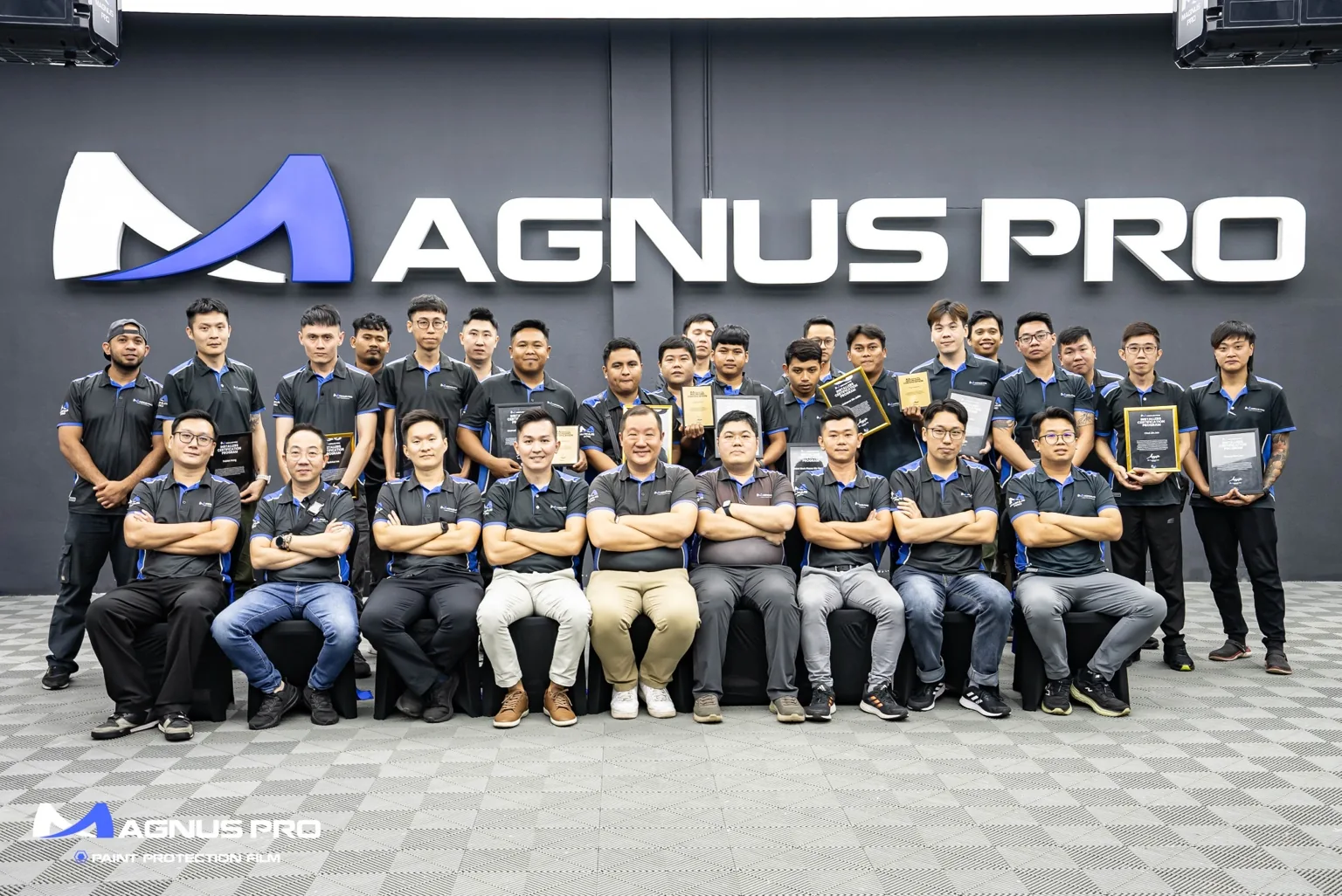
That is why our installer-development approach includes structured technical training and an annual skills-assessment and certification programme. Rather than treating an experience claim as enough, we expect installers to demonstrate installation knowledge, practical handling and attention to detail. The 2024 Magnus Pro certification footage and team photograph accompanying this guide document one such hands-on training and certification event. They are first-party evidence of an actual event, not independent proof that every individual installation will be flawless.
Editorial disclosure: This is an official first-party educational guide published by Ceramic Pro Malaysia, which supplies and installs the services discussed. Statements about our annual programme describe our company policy and should not be mistaken for third-party certification of every technician or independent rankings of other installers. Individual qualification status, programme scope and vehicle-specific suitability should be confirmed when booking.
The essentials
Key takeaways
Film quality and workmanship are separate decisions.
A premium product does not correct poor fitting, preparation or finishing.
Experience must be interpreted accurately.
A company's decade-plus history is not the same as every technician having worked for ten years.
Training should be repeated, not remembered.
Ceramic Pro and Magnus Pro Malaysia describe annual practical installer assessment as part of their ongoing training policy.
The evidence should be visible.
Training footage, dates, examples of edge finishing and a clear handover process are more informative than an unqualified “expert installer” label.
Skills differ by service.
PPF, window tint, windscreen protection film and panoramic sunroof film require different checks and application judgments.
Inspection matters as much as installation.
A professional handover should identify coverage, aftercare, any areas requiring follow-up and the applicable written warranty.
Choose the whole installation system.
Product specification, trained application, transparent advice and after-sales accountability should work together.
2. More than a decade in Malaysia — and what that experience actually means
Ceramic Pro and Magnus Pro Malaysia have built automotive surface-protection operations over more than a decade. That history represents accumulated exposure to different vehicles, body shapes, generations of materials, changing customer expectations and the practical realities of local driving. It is the experience of an established organisation, built through teams and repeat work.
We make an important distinction: our organisational experience is not a claim that every currently employed installer has more than ten years of personal experience. Technicians join at different stages, learn different specialties and progress through practical work. A credible training programme is how an established company transfers knowledge instead of relying on a single long-serving individual.
When an installer advertises “ten years of experience,” ask whether that describes the business, the trainer, the technician performing the work or the collective team. An exact answer is more useful than a broad slogan. At our operations, we believe the way to demonstrate experience is to show training, workmanship and a clear process—not just repeat the number.
3. Annual certification: a standard that must be demonstrated
Our approach is to maintain a recurring installer certification and skills-assessment programme. It is an internal/brand-led technical programme: installers are expected to develop their knowledge and demonstrate practical competencies through assessments rather than assume that a previous course is permanent evidence of present skill. Programme records and the current status of the team assigned to a particular vehicle should be checked directly with the outlet.
Training combines technical principles and practical execution. A technician may understand film construction yet still need practice working around compound curves, panel junctions and intricate trim. In the same way, someone who can apply a film neatly must know when a surface, glass assembly or vehicle system requires additional checks before proceeding.
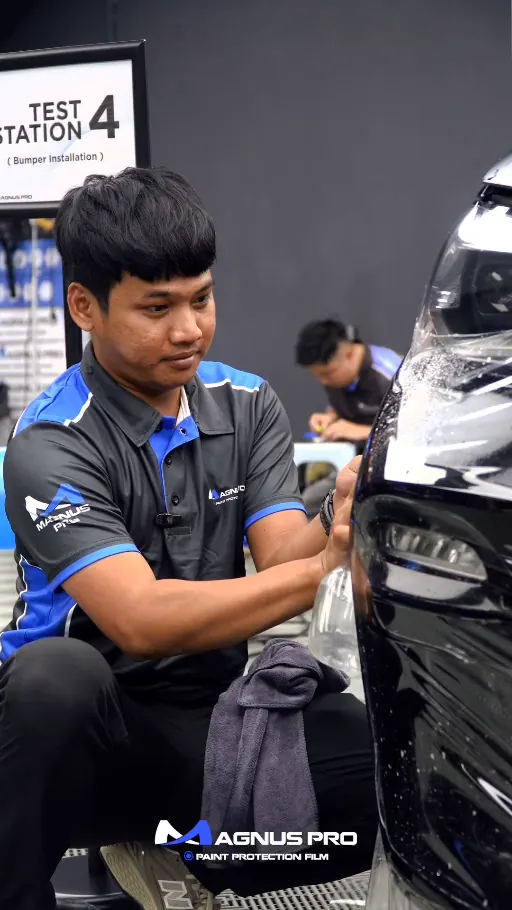
Our supplied 2024 footage shows participants learning, working on application tasks and taking part in a certification presentation. It establishes that an actual practical programme was conducted. It should not be presented as a third-party accreditation, a complete audit of every employee, or proof that every technology was tested in that specific video.
The principle: a certificate has value when it corresponds to a real standard, real skills and a current assessment—not because it looks attractive on a wall.
The 2024 installer programme — training you can actually see
The supplied video records a Magnus Pro installer certification event. It shows the team gathered for instruction, participating in hands-on work and a certificate presentation. The companion photograph shows the participating team. These are genuine first-party training materials. They do not establish the number of current certified staff or independently rank installers across Malaysia. Their value is simpler and stronger: they let customers see that training is an actual activity rather than an unillustrated marketing claim.
Magnus Pro Installer Certification — 2024
4. What should a meaningful installer assessment evaluate?
A customer cannot judge an installer solely by watching a short video. However, practical assessment should be able to reveal much more than attendance. An informative skills framework looks at accurate surface assessment; contamination prevention; film handling; pattern selection; fitting without unnecessary stress; clean cuts and edges; optical clarity where glass is involved; safe handling near equipment; and the ability to identify defects before handover.
These are buyer-centred assessment criteria, not a claim that every item appears in the company's specific 2024 examination rubric. The relevant standards vary by product and vehicle. Asking for the scope of a certification—PPF, tint, windscreen or sunroof—is more meaningful than assuming one credential automatically covers them all.
An additional sign of maturity is knowing when not to proceed. A trained installer should be able to explain why a repainted panel needs investigation, why damaged glass may not be suitable, or why manufacturer instructions take priority over a generic installation technique.
5. PPF workmanship: edge control, curves and clean finishing
PPF installation involves more than covering the largest visible panels. Modern bumpers contain sensors, styling recesses, sculpted corners and narrow transitions. Door handles, bonnet edges, mirrors and wheel arches all demand controlled positioning and finishing. Stretching a film too aggressively can create tension; poor edge preparation may compromise appearance or retention; contamination can remain conspicuous on highly reflective paint.
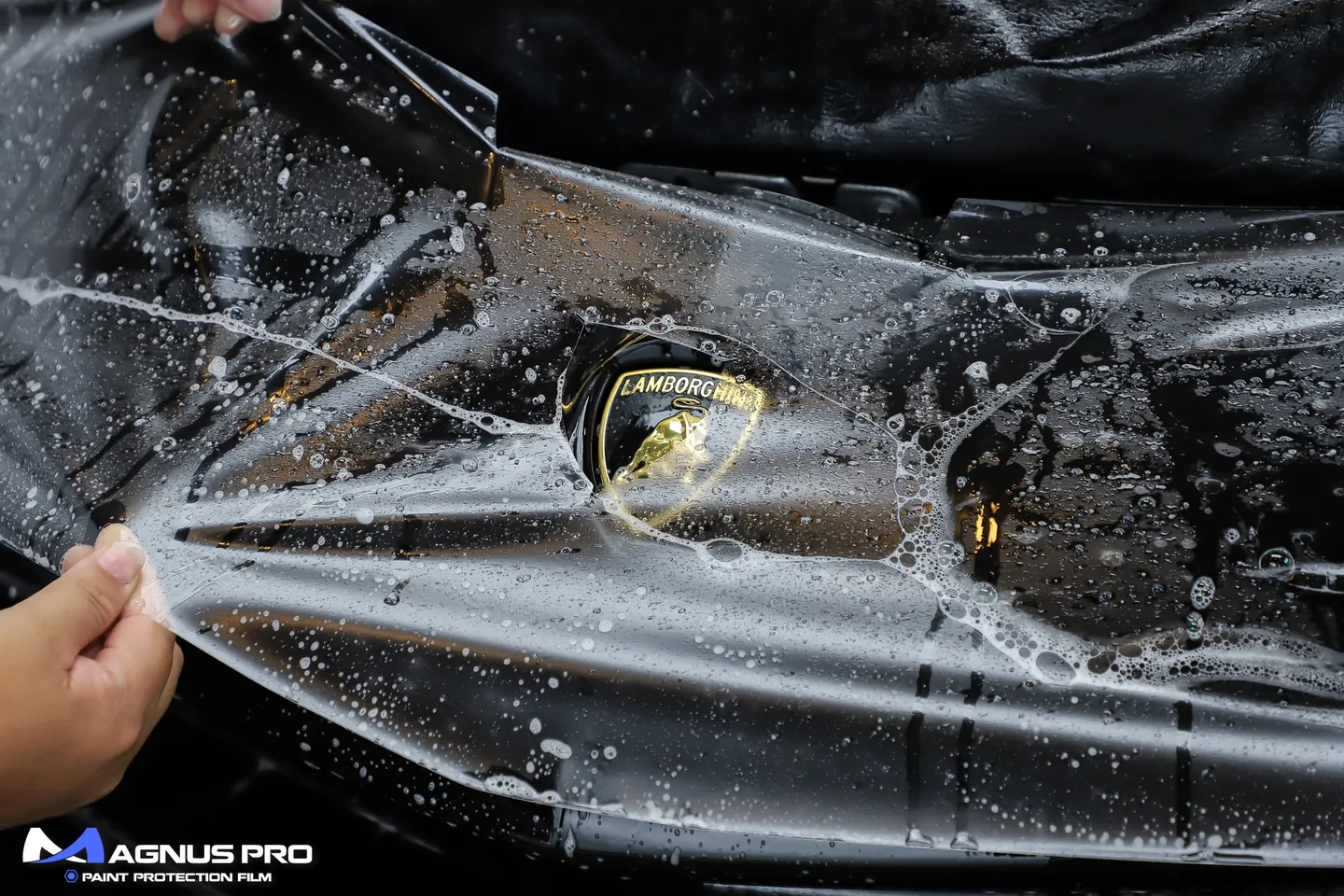
A professional installer first determines suitable coverage and whether the pattern will be computer pre-cut or requires controlled adjustment. They plan seams and panel boundaries, manage slip solution, form the material around complex shapes, and inspect the final fit under appropriate lighting. Extra film is not automatically better: excessive wrapping or unsuitable handling may create another problem.
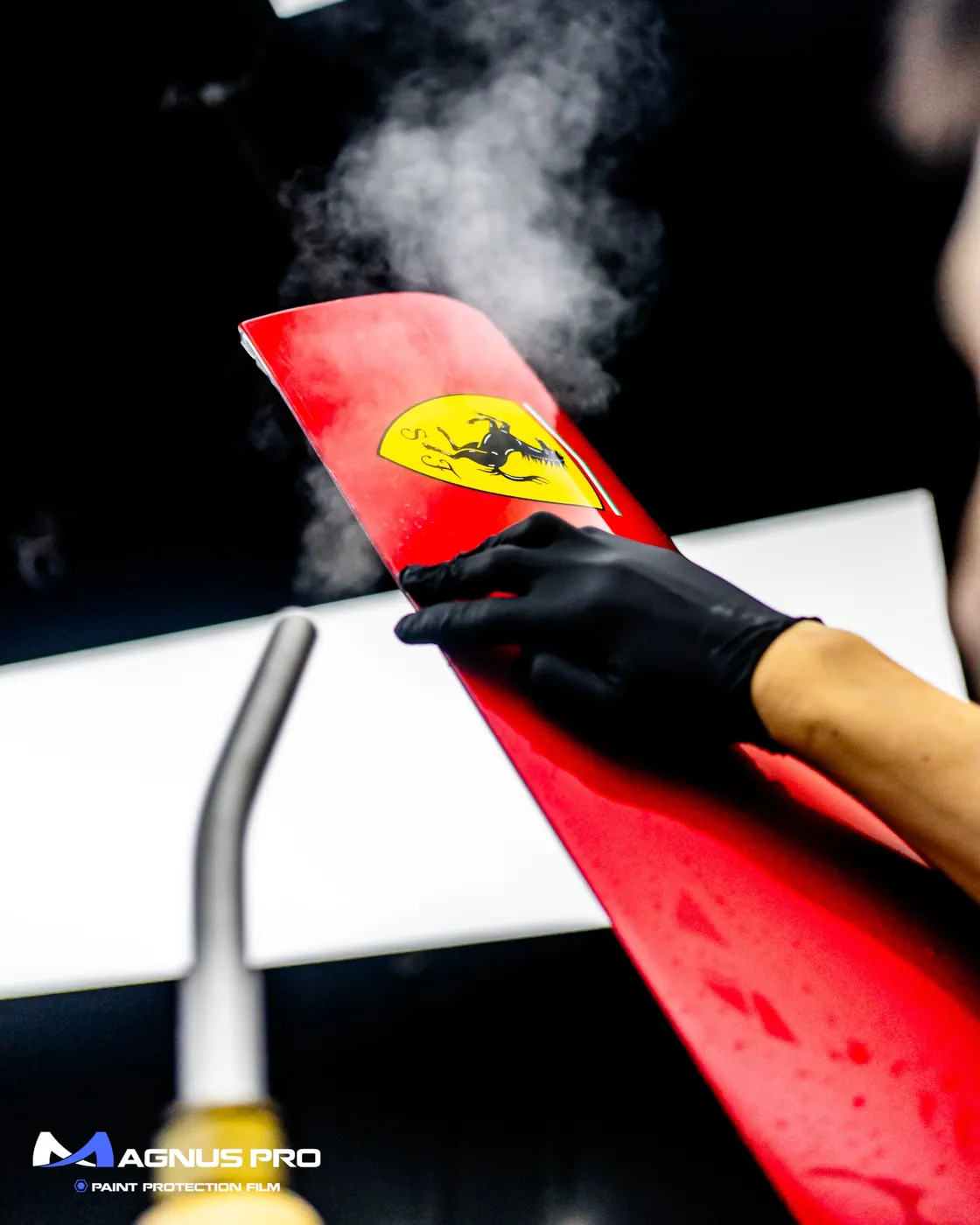
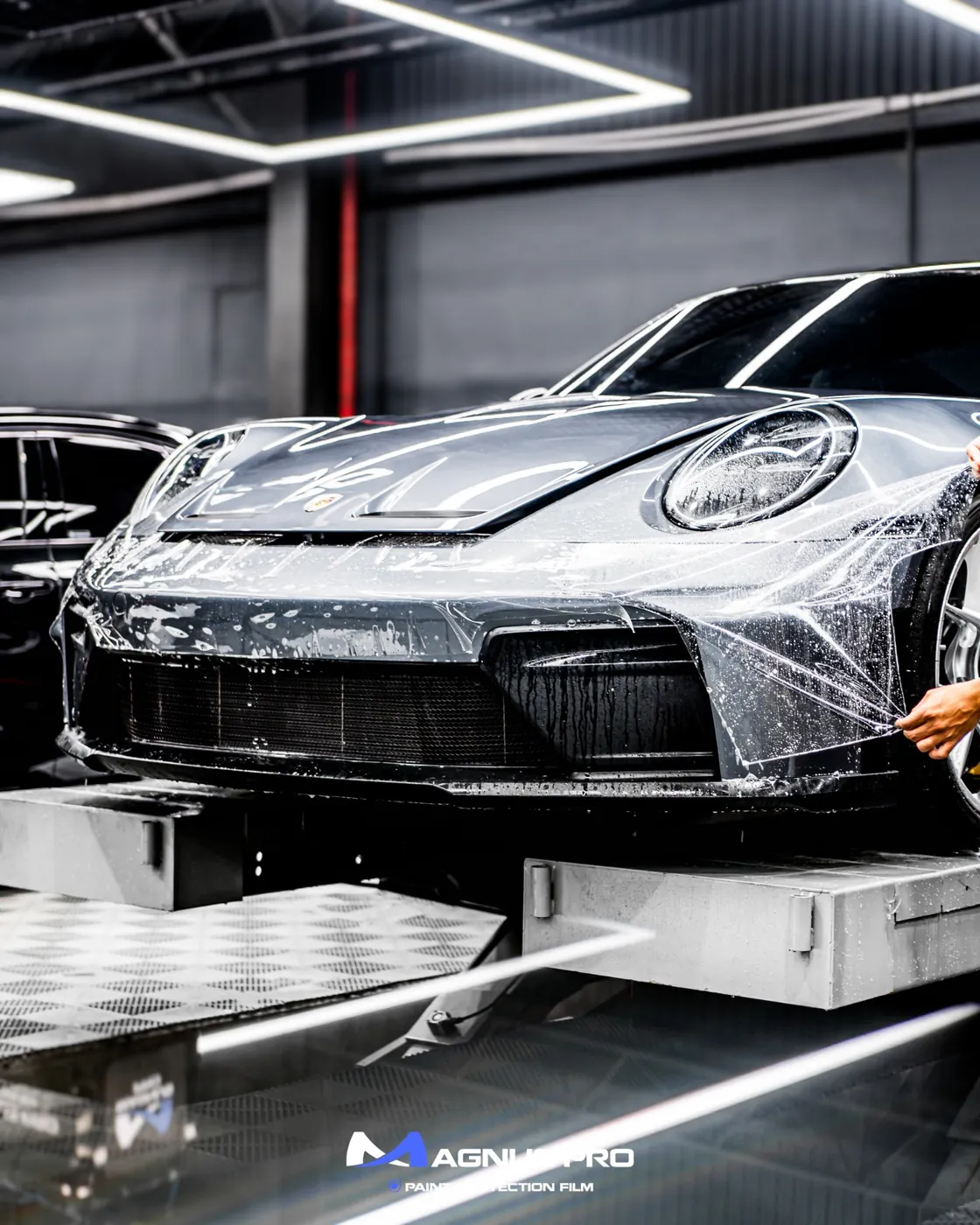
Before collection, inspect corners, edges, mirrors, bumpers and the other areas listed on the quotation. Look for consistently finished boundaries, unexpected trapped particles, abnormal lift or sharp debris beneath the film. Some temporary moisture effects may change as the installation settles; any uncertainty should be documented and explained by the installer. For film types and coverage decisions, see our PPF overview and Best PPF Malaysia guide.
6. Pre-cut patterns help. A skilled technician still makes the decisions.
Computerised pattern systems can improve repeatability, limit unnecessary cutting on a vehicle and help installers plan coverage for many models. They do not remove the need for judgment. A pattern still needs to match the correct vehicle variant, selected coverage and actual panel configuration. The technician must account for alignment, edges, sensors, trim tolerances and the behaviour of the chosen film.
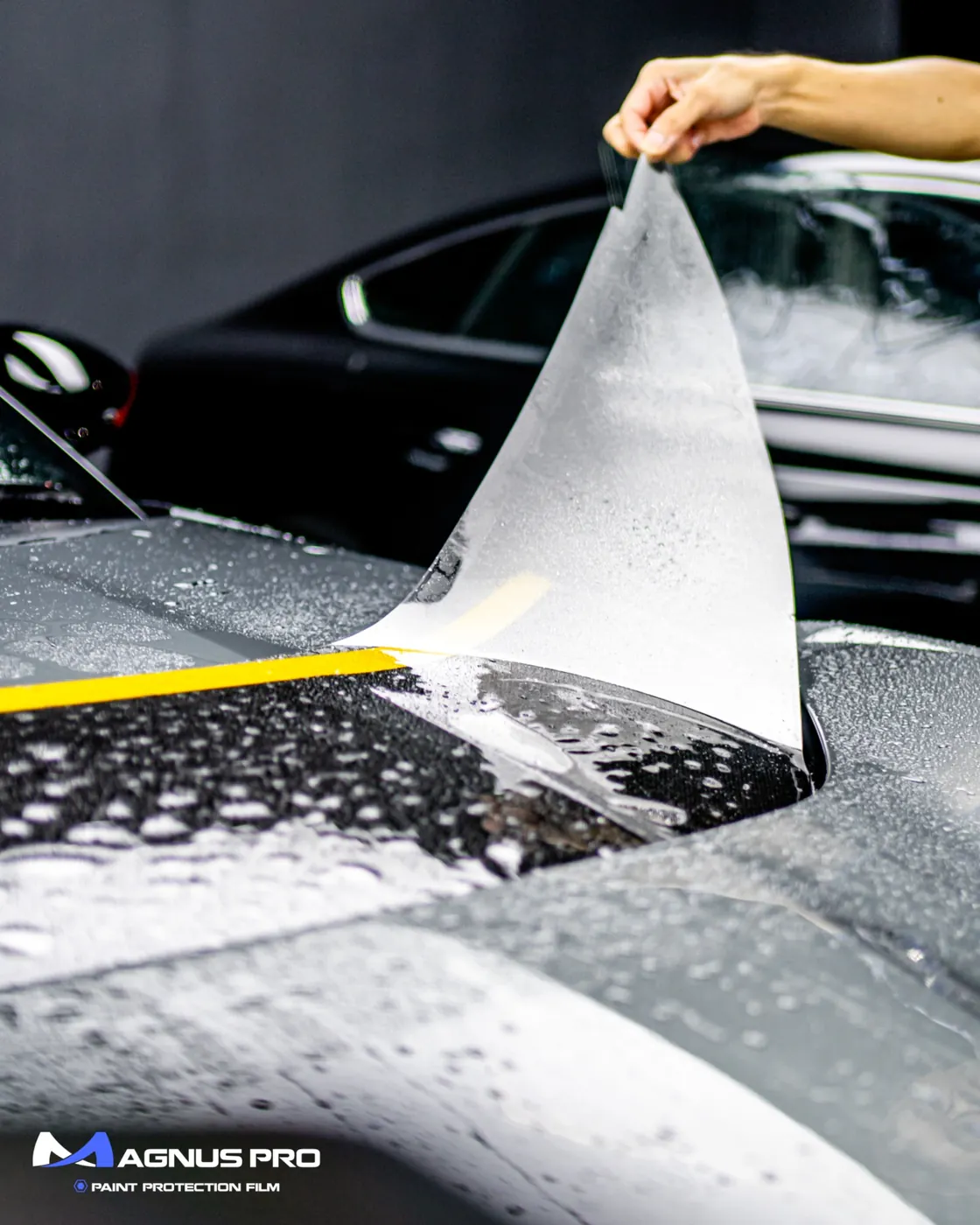
Manual adjustment can sometimes be necessary, but it should be controlled and undertaken with proper safeguards. Neither “computer-cut” nor “hand-cut” is a complete quality guarantee. Ask where cutting occurs, how the paint is protected, whether seams or exclusions are disclosed, and what the installer will do if a pattern does not fit the car correctly.
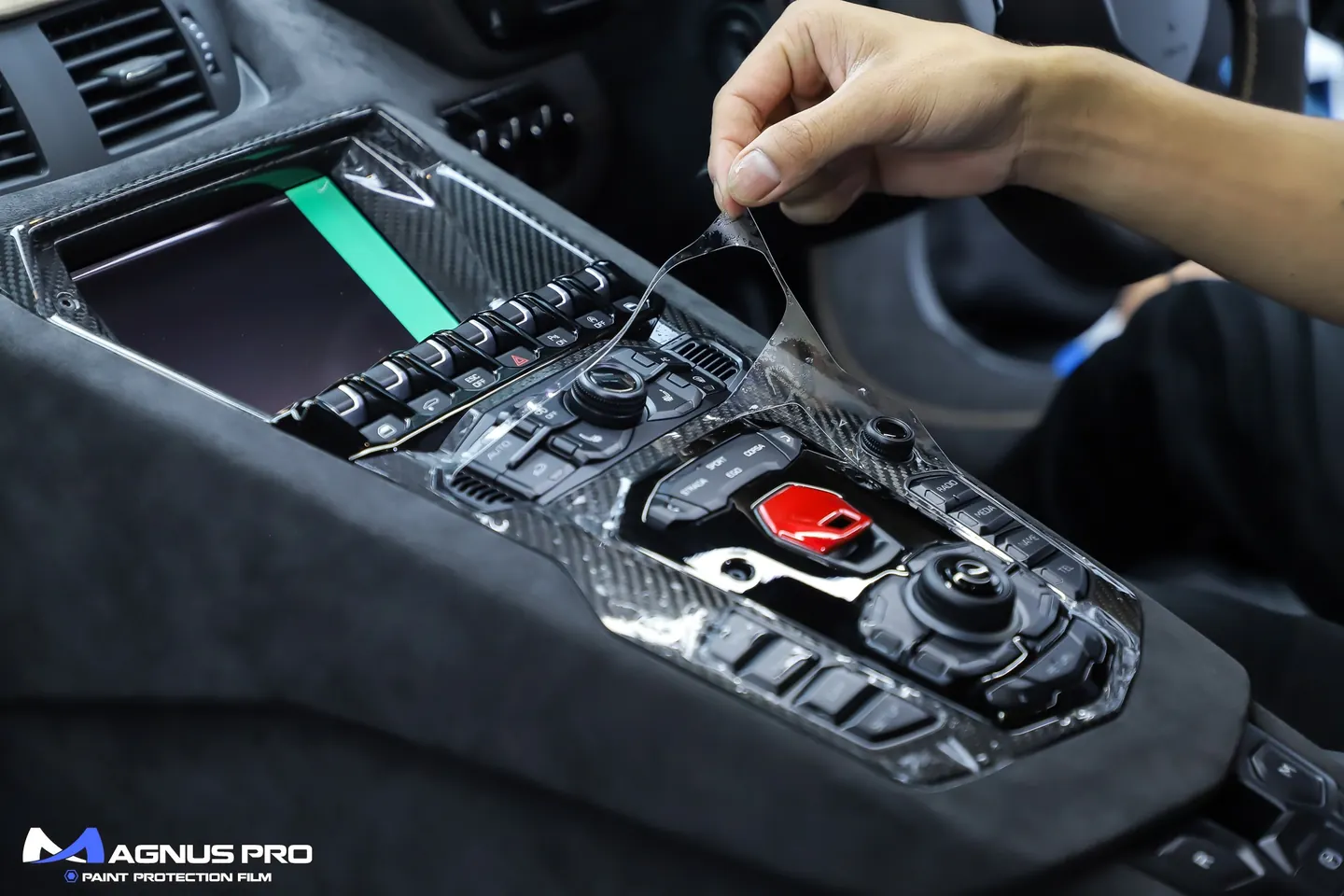
The advantage of genuine experience is knowing how to combine tools, patterns and practical technique—not claiming that software makes craftsmanship unnecessary.
7. Window tint: optical results depend on careful fitting
A high-quality tint film should offer the performance characteristics specified for its product. A good installation also needs a clean glass surface, accurate shaping, careful water and adhesive management, smooth edge finishing and inspection of visible defects. The installer should consider the glass configuration, existing films, manufacturer guidance and local visible-light-transmission requirements.
During handover, customers should check for obvious creases, contamination, significant light gaps, abnormal distortion and areas of incomplete adhesion. Some small moisture-related haze or bubbles can be part of a normal curing period; the installer should explain what to expect and what warrants a return visit. The appearance immediately after installation may not be the final cured appearance.
Window tint should never be sold on a single impressive infrared-rejection figure without context. Film selection also involves total solar energy rejection, visible light transmission, clarity and practical compliance. Read our car tint buying guide for product-selection criteria. Installer skill and product performance should be evaluated together, not confused with one another.
8. Windscreen protection film: visibility and sensors come first
A windscreen is a safety-critical viewing surface. Any protective film must be suitable for the particular glass, compatible with the applicable requirements and installed without unacceptable optical distortion. Modern vehicles may also have cameras, rain sensors, demisters, specialised glass coatings or driver-assistance components near the windscreen. These features affect the suitability and method of work.
A technician should discuss the windscreen construction and any manufacturer restrictions before proceeding. They must pay special attention to cleanliness, correct alignment, optical clarity and the relevant restricted zones. If a camera or safety system requires a calibration procedure following related work, follow manufacturer guidance and qualified procedures. Neither a product claim nor a general installer certificate guarantees compatibility with every vehicle.
Film may help reduce certain surface hazards, but it cannot guarantee that a windscreen will never chip, crack or require replacement. The better promise is a careful, vehicle-specific assessment and transparent explanation of what protection can and cannot do.
9. Panoramic sunroof PPF: large glass requires specialised judgment
Panoramic roofs are visually striking and often large, curved and heavily exposed to sunlight. Fitting an external sunroof protection film therefore demands control of a substantial sheet of material, careful cleaning, even placement and attention to roof-glass geometry and neighbouring trim. The installer must check the material's specified compatibility with the exact roof and observe manufacturer restrictions.
For Magnus Pro SkyShield, the goal is to combine the appropriate solar-control properties with the intended protective surface function. That does not make it interchangeable with ordinary interior tint or a sunshade. The owner should know which surface receives the film, which shade and visible-light-transmission option is selected, and what cleaning and warranty conditions apply.
A glossy finished roof may look simple in a photograph. Achieving a clean, consistent result can require controlled film handling and disciplined finishing. Learn about the dedicated product at Magnus Pro SkyShield.
10. EVs and driver-assistance systems require vehicle-specific care
EVs are not automatically more difficult to wrap or tint than combustion vehicles, but every modern vehicle deserves a careful pre-installation check. Cameras, ultrasonic systems where fitted, radar assemblies, sensitive trims, charging-port doors and glass sensors can affect film boundaries or working methods. What applies to one model year may not apply to another.
Before installing PPF or glass films, identify restricted areas and inspect the actual model. Work should not obstruct an active camera, sensor or lighting element, and installers must not assume an aftermarket film is compatible with a particular system without appropriate guidance. Avoid unnecessary heat or intrusive work around electronic components, seals and interior equipment.
The appropriate message is not “our installers can do anything to any EV.” It is that trained installers should know which questions to ask before touching the car. Explore our Protection Guides for further vehicle-protection guidance.
11. The workshop environment and quality-control process
Workmanship begins before the technician makes the first pass with a squeegee. Surface preparation, clean handling, suitable lighting, organised tools and a clear installation plan all contribute to the finished result. A premium workshop is useful only when its procedures are followed. Likewise, good work may be achieved in different workshop formats when the process and skills are appropriate.
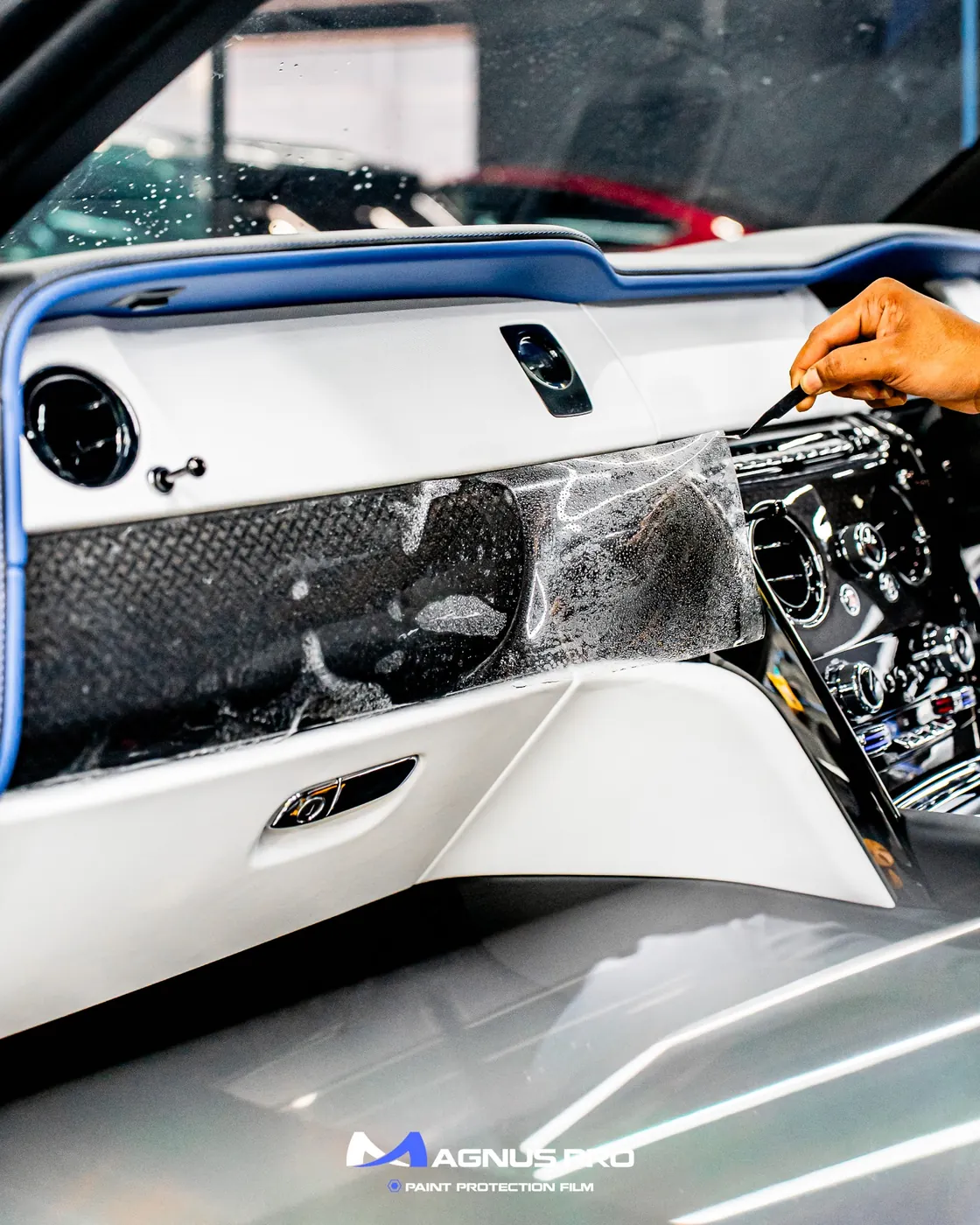
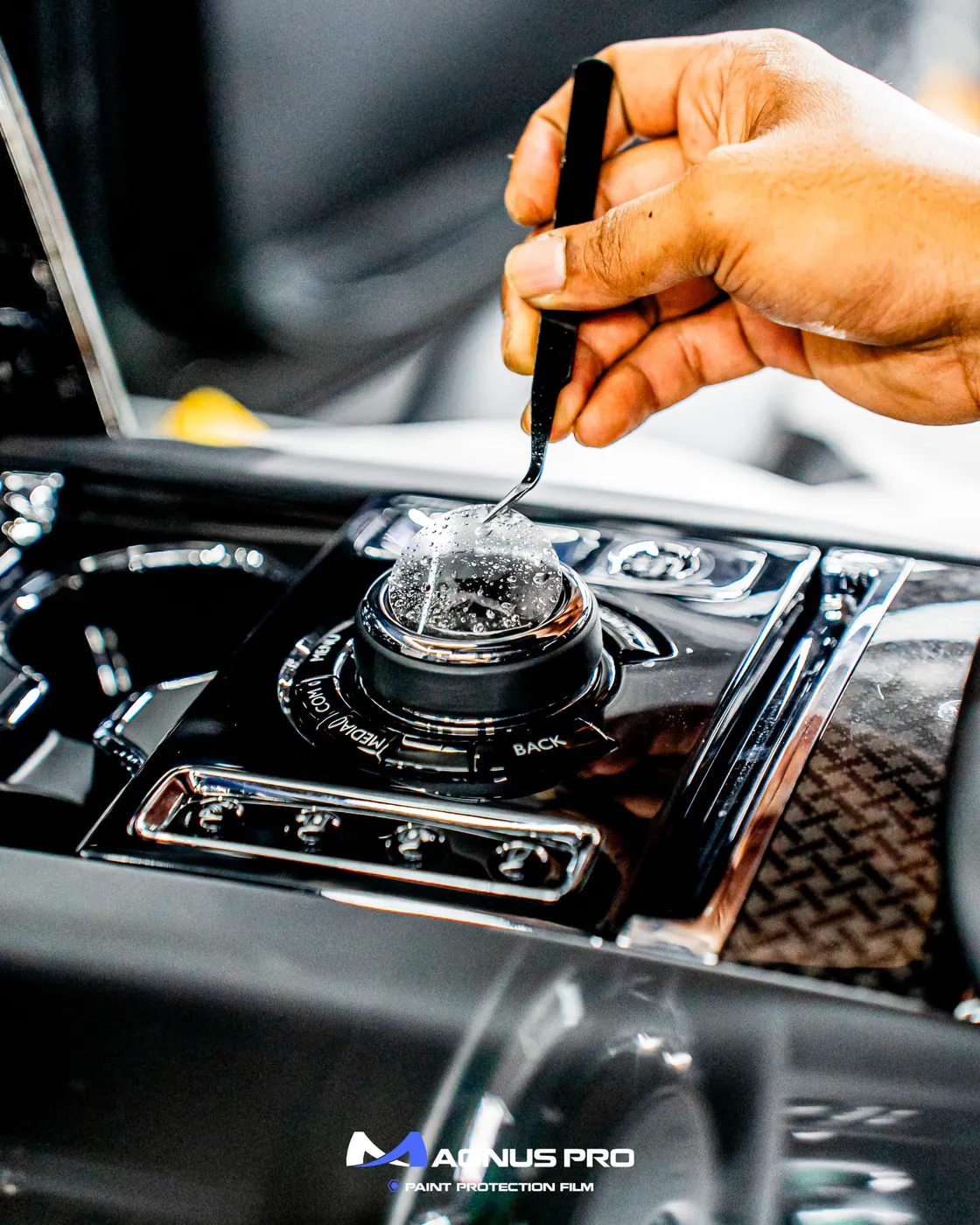
A meaningful quality-control review looks at the agreed coverage and every relevant treated surface, not just the most photogenic panel. It identifies any areas requiring attention, considers cure and settling guidance and records the customer's handover instructions. For a multi-service appointment—such as PPF together with tint and panoramic roof protection—the team should also coordinate the work sequence to avoid reworking freshly installed surfaces unnecessarily.
Customers benefit from knowing how issues are handled. Ask whether the original installer or an assigned specialist will inspect a reported defect, what the review process involves, and which conditions are covered by written product and installation terms. Accountability is a practical part of quality.
12. What should you check before accepting the car?
A customer does not need to be an installer to ask good questions. Confirm the exact film model and panels; inspect the agreed boundaries in good light; ask about expected curing effects; and request clear instructions for washing, windows, glass care and any follow-up appointment. Distinguish normal installation-settling guidance from faults that need a service review.
Bring the original quotation so there is no confusion about what was purchased. Photographs taken at collection can establish what was discussed, but they do not replace warranty documentation or the business's service policy. If something looks wrong, discuss it at handover rather than relying on vague promises later.
| Area | What to confirm | Why it matters |
|---|---|---|
| Product identity | Exact Ceramic Pro or Magnus Pro film and specification | Prevents confusion between quoted and supplied materials |
| Coverage | Panels, window positions, windscreen or sunroof areas | Confirms the delivered scope |
| Finish | Edges, corners, seams, contaminants and optical clarity | Makes visible workmanship easier to inspect |
| Vehicle systems | Camera, sensor, trim and glass restrictions reviewed | Supports model-appropriate installation decisions |
| Aftercare | Curing, washing, windows, inspection and follow-up guidance | Helps the owner maintain the finished installation |
| Documentation | Written warranty and contact for service issues | Clarifies accountability |
13. Compare the evidence, not the slogan
No company becomes the automatic best choice merely by describing itself as a pioneer, an expert or a certified installer. A credible business should be comfortable showing what those terms mean. Ceramic Pro and Magnus Pro Malaysia's position is built around more than a decade of operations, a stated recurring training and certification policy, real training activity and the work that customers can inspect. We invite vehicle owners to use the same standards when evaluating any provider, including us.
A long-standing company does not remove the need to check the technician and the current product. A certificate does not replace quality control. And a premium film does not justify overlooking poor finish. The stronger combination is an established organisation that continues investing in people and takes responsibility for completed work.
If you are comparing installers in Glenmarie (Shah Alam), Petaling Jaya or Kuala Lumpur, use our outlet directory to find the relevant location and confirm service availability and installer training for your vehicle. For ongoing care and applicable written terms, refer to our After Care & Warranty information.
| Question to the provider | Useful evidence | What it does not automatically prove |
|---|---|---|
| Who will install my car? | Named team or assigned installer and relevant practical background | That every person has identical years of experience |
| How are installers trained? | Current course or skills-assessment outline, dated activity and practical examples | Independent accreditation unless an accreditor is named and verified |
| Does assessment recur? | Programme frequency and current relevant completion status | A guaranteed defect-free result |
| Can I see similar vehicles? | Genuine close-ups of edge work, finishing and final handovers | Identical outcome on all future vehicles |
| What film and coverage will I receive? | Product name, written panel list and quotation | That every similarly named film performs the same |
| Who handles follow-up? | Written care instructions, warranty and outlet contact | Coverage beyond the stated terms |
Final verdict — The standard behind the film
Premium protection is not only what comes out of a box. It is the care taken when a real vehicle arrives, the skill of the person working on it and the responsibility shown before the keys are handed back. Ceramic Pro and Magnus Pro Malaysia have spent more than a decade building their protection operations, and our approach is to keep installer development active through technical training and annual practical assessment.
That is the standard we want customers to judge: trained hands, carefully considered application, inspection and after-sales accountability. Ask for evidence. Inspect the finish. Understand the warranty. Then choose the installation team—not merely the product label—with confidence.
Frequently asked questions
Sources and methodology
This guide combines first-party statements about Ceramic Pro and Magnus Pro Malaysia's installer-development policy with owner-supplied video and photograph evidence. The video is labelled 2024 and visibly shows practical activities and certificate presentation. It is not an independent comparative study, a complete roster of certified technicians or a publicly audited history of annual attendance. The guide's service-specific technical discussion describes general buyer checks and must be applied subject to each manufacturer's actual product and vehicle instructions.
Official sources and further reading (global education resources describe the global programme, not independent verification of the Malaysian programme):
Official sources and further reading
- Ceramic Pro Global — Paint Protection Film Training
- Ceramic Pro Global — Education and Training
- Ceramic Pro Malaysia — Paint Protection Film
- Ceramic Pro Malaysia — Car Tint Buying Guide
- Ceramic Pro Malaysia — Protection Guides
- Ceramic Pro Malaysia — Magnus Pro SkyShield
- Ceramic Pro Malaysia — Locations
- Ceramic Pro Malaysia — After Care & Warranty


