
Yes, sunroof protection film can be a worthwhile investment for Malaysian drivers who want improved cabin comfort, UV protection and an additional protective layer for their panoramic glass roof.
Malaysia's strong sunlight and tropical weather make managing heat and protecting vehicle surfaces an important part of everyday driving.
Vehicles equipped with large panoramic sunroofs offer an impressive open-roof experience, but the additional glass area can also allow more sunlight and solar heat to enter the cabin.
Magnus Pro SkyShield Sunroof Protection Film is designed to address these needs through advanced infrared rejection, UV protection and a specialised protective film construction.
For drivers considering panoramic sunroof protection in Malaysia, SkyShield combines comfort, appearance and surface protection in one professional film system.
This guide explains how sunroof protection film works, its benefits, the different shade options and what to consider before installation.
1. Why Consider Sunroof Protection Film in Malaysia?
Panoramic sunroofs are increasingly popular in modern sedans, SUVs, electric vehicles and premium cars.
They create an open, spacious interior and allow natural light into the cabin.
However, the large glass area is exposed to direct sunlight and everyday environmental conditions.
Managing Solar Heat
Sunlight entering through a panoramic glass roof can contribute to cabin heat buildup.
This can be particularly noticeable when a vehicle is parked outdoors or driven under strong afternoon sunlight.
A suitable sunroof protection film helps reduce the transmission of certain solar energy through the roof glass, supporting a more comfortable cabin environment.
Reducing UV Exposure
Ultraviolet radiation is another consideration when choosing protection for large glass areas.
A sunroof film with verified UV rejection properties can provide an additional layer of UV protection.
Protecting Panoramic Glass
Panoramic roofs may encounter dust, environmental contamination and minor external contact during normal vehicle use.
A specialised protective film adds a sacrificial surface designed to help protect the original glass against certain everyday damage.
Enhancing Appearance
Different visible light transmission options allow owners to select a brighter or darker panoramic roof appearance.
This gives drivers greater flexibility when balancing natural light, shading and visual preference.
For Malaysian motorists, these combined benefits make sunroof protection film worth considering.
2. What Is Sunroof Protection Film and How Does It Work?
Sunroof Protection Film, often referred to as Sunroof PPF, is a specialised protective film developed for compatible vehicle sunroofs and panoramic glass roofs.
It is different from conventional automotive window tint because it combines solar-control characteristics with an additional protective film structure.
The film is designed to help manage infrared radiation, reduce ultraviolet transmission and provide a protective layer over the glass surface.
Magnus Pro SkyShield uses a six-layer construction developed for panoramic roof applications.
Its layers work together to provide a combination of flexibility, surface protection and solar-control performance.
How the Protective Layer Helps
The film creates an additional layer over the original glass surface.
Its flexible construction helps absorb certain minor external impacts and reduce direct exposure of the glass to everyday surface contact.
How Solar Control Helps
SkyShield's infrared rejection technology is designed to reduce the transmission of infrared radiation.
This helps address solar heat entering through the panoramic roof.
How Shade Selection Works
Different VLT options determine how much visible light passes through the film.
Customers can select a lighter or darker appearance based on their preferred panoramic-roof experience.
The final result also depends on the vehicle's original glass.
By combining these properties, Magnus Pro SkyShield offers an integrated approach to panoramic roof protection.
3. The Key Benefits of Magnus Pro SkyShield
Magnus Pro SkyShield is engineered specifically for panoramic glass roof protection.
Its combination of advanced film technology, heat rejection and surface protection makes it a premium choice for drivers seeking additional comfort and protection.
Advanced Infrared Heat Rejection
Magnus Pro SkyShield publishes an infrared rejection specification of 95% IRR.
Infrared rejection is one of the important characteristics used to evaluate solar-control film performance.
SkyShield is designed to help reduce infrared radiation transmitted through the panoramic glass roof, supporting cabin comfort during sunny weather.
The actual improvement experienced inside a vehicle depends on the original roof glass, selected film, sunlight exposure and other vehicle conditions.
99% UV Rejection
SkyShield provides 99% UV rejection according to its published technical specifications.
This offers an additional layer of UV protection for vehicle occupants and interior surfaces beneath the panoramic roof.
7.5-Mil Protective Film
SkyShield features a 7.5-mil film construction designed to provide an additional protective barrier over suitable panoramic glass.
Its thickness forms part of the film's protective system.
Thickness alone does not determine impact performance; the material structure and engineering also matter.
Six-Layer Technology
SkyShield combines six engineered layers to provide flexibility, adhesion, surface characteristics and protective performance.
Its construction is designed to support the needs of panoramic roof applications.
Heat-Assisted Self-Healing Surface
SkyShield incorporates a self-healing surface designed to help recover from certain fine scratches and swirl marks under suitable heat conditions.
This helps maintain the film's appearance during normal ownership.
The self-healing function applies to suitable minor surface marks, rather than deep cuts or severe damage.
Premium Roof Appearance
The available VLT options allow customers to select their preferred level of shading.
A darker finish can create a refined, integrated appearance, while lighter films preserve more incoming natural light.
SkyShield combines panoramic roof protection, infrared rejection and a premium finish in one specialised film system.
Magnus Pro SkyShield Specifications
| Feature | Published Specification |
|---|---|
| Film construction | Six layers |
| Film thickness | 7.5 mil |
| Infrared rejection | 95% IRR |
| UV rejection | 99% UVR |
| Available film VLT | 5%, 15%, 30%, 75% |
| Self-healing | Heat-assisted surface technology |
| Application | Compatible sunroofs and panoramic glass roofs |
The published IRR and UVR values describe specified film performance characteristics. They should not be interpreted as guaranteed cabin-temperature reduction or complete solar-energy rejection.
Explore the full SkyShield specifications and shade visualiser.
4. Choosing the Right SkyShield VLT for Your Panoramic Roof
One of SkyShield's advantages is the availability of four visible light transmission options.
VLT refers to the percentage of visible light transmitted through the film.
A lower VLT means less visible light passes through the film.
A higher VLT allows more visible light to pass through.
Magnus Pro SkyShield Shade Options
| Film VLT | Shade Description | Visual Preference |
|---|---|---|
| 5% | Ultra Dark | Maximum visible-light shading among the listed options |
| 15% | Dark | Darker panoramic roof appearance |
| 30% | Balanced | Moderate visible-light transmission |
| 75% | Light | Brighter panoramic view with higher visible-light transmission |
SkyShield 5% — Ultra Dark
The 5% option provides the darkest appearance among the four available choices.
It may appeal to drivers who prefer stronger visible-light shading and a darker panoramic roof finish.
SkyShield 15% — Dark
The 15% option offers a dark glass appearance with greater visible-light transmission than the 5% option.
It is worth considering for customers who prefer a dark panoramic-roof aesthetic.
SkyShield 30% — Balanced
The 30% option allows more visible light than the darker variants.
It may suit owners seeking a balance between shading and a brighter panoramic roof experience.
SkyShield 75% — Light
The 75% option preserves a lighter appearance and greater visible-light transmission.
It may appeal to customers who enjoy the open, airy feeling associated with panoramic glass roofs.
Which SkyShield Shade Is Best?
The right shade depends on the vehicle, original roof glass, personal preferences and the desired amount of natural light.
A darker VLT does not automatically establish superior infrared rejection across different film products or variants.
Customers should compare the approved specifications and review the actual appearance before installation.
Magnus Pro SkyShield's product page includes a shade visualiser to help customers explore the available options.
5. Is Sunroof Protection Film Worth It for Malaysia's Hot Weather?
Malaysia's tropical climate makes solar-control performance an important consideration for vehicles equipped with large glass roofs.
On sunny days, solar radiation entering through the panoramic roof can contribute to cabin heat.
A suitable film can help manage this exposure while preserving the panoramic roof's intended appearance.
During Daily Driving
SkyShield's infrared rejection properties are designed to help manage solar heat transmitted through the roof glass.
This can contribute to a more comfortable driving experience.
During Outdoor Parking
Vehicles parked outdoors may experience significant interior heat buildup.
SkyShield can help reduce part of the solar energy entering through compatible roof glass, although the vehicle may still become hot when parked in direct sunlight.
For Family Vehicles
Families may particularly appreciate improved solar control when travelling in vehicles with large panoramic roofs.
The different shade options also allow owners to choose the amount of visible light they prefer.
For Premium and Electric Vehicles
Large panoramic glass roofs are common on various premium and electric vehicles.
SkyShield provides a specialised option for owners who want to combine panoramic roof protection with solar-control performance.
Actual compatibility should be confirmed for each vehicle model.
For Malaysian drivers who value cabin comfort and panoramic-roof protection, SkyShield can be a practical addition to their vehicle care plan.
6. Sunroof Protection Film vs Conventional Sunroof Tint
Sunroof protection film and conventional tint are related but different solutions.
Both can offer solar-control benefits, depending on the selected product.
However, they differ in their primary purpose and protective construction.
Conventional Sunroof Tint
Automotive tint primarily focuses on properties such as solar heat rejection, UV protection, glare management and visible-light transmission.
Its suitability depends on the selected film, original glass and approved installation requirements.
Magnus Pro SkyShield Sunroof Protection Film
SkyShield combines solar-control benefits with a specialised protective film structure.
It is designed for drivers who want additional glass surface protection together with heat rejection and UV protection.
Comparison
| Feature | SkyShield Sunroof PPF | Conventional Sunroof Tint |
|---|---|---|
| Main focus | Glass surface protection and solar control | Solar control and comfort |
| Infrared rejection | Published 95% IRR | Varies by product |
| UV rejection | Published 99% UVR | Varies by product |
| Physical protective layer | Specialised 7.5-mil film | Depends on film construction |
| Shade options | 5%, 15%, 30%, 75% | Depends on product |
| Self-healing surface | Available on SkyShield | Not universal |
Choosing between the two depends on your priorities.
If you primarily want solar-control performance, compare the approved film specifications.
If you want both solar-control properties and an additional protective surface designed for panoramic glass, SkyShield is worth considering.
For information about automotive window film, explore:
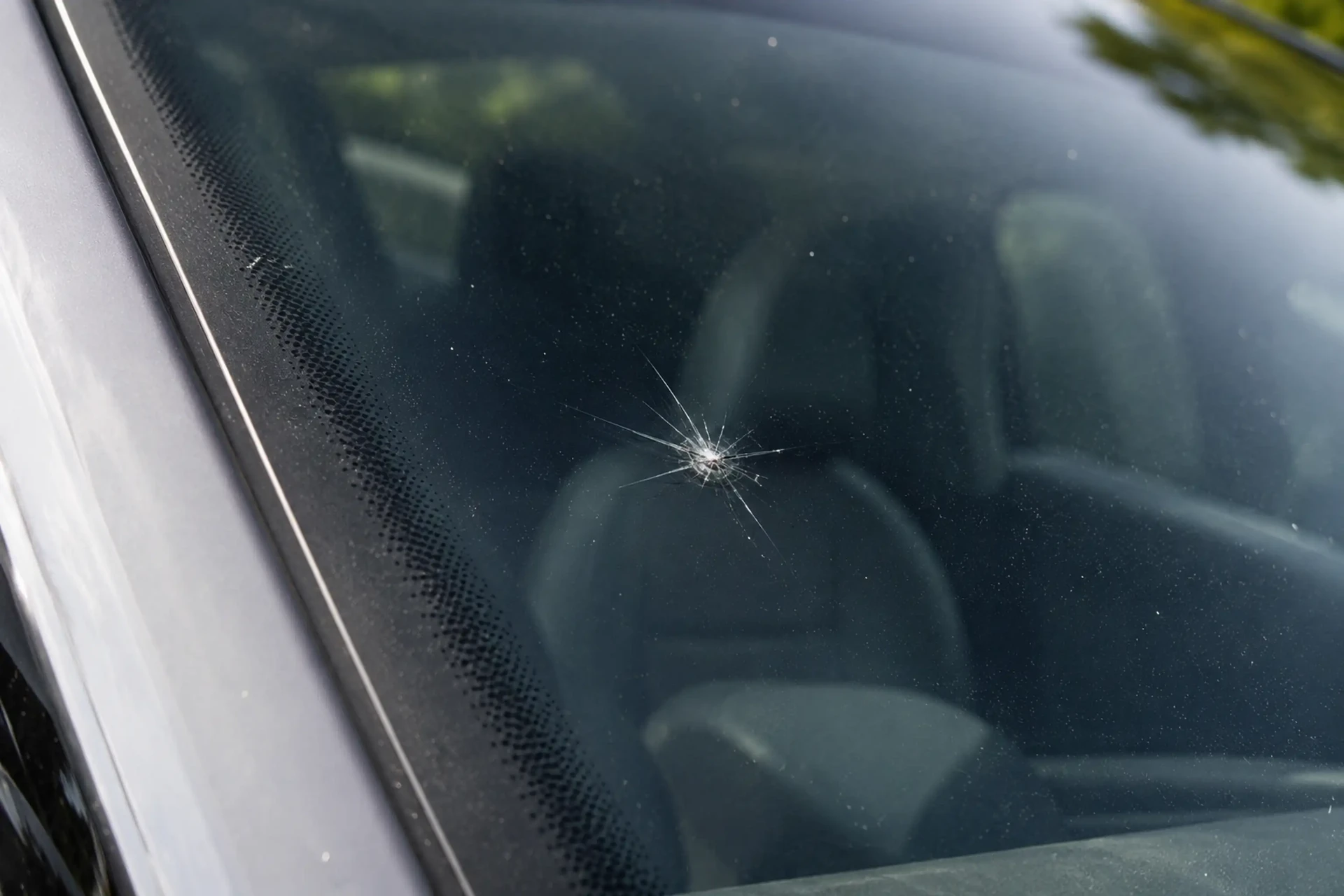
7. Can Sunroof PPF Help Protect Against Cracks and Glass Damage?
Panoramic glass roofs are engineered as part of a vehicle's roof system.
They may encounter minor external impacts, surface contact and everyday environmental exposure.
SkyShield provides an additional protective layer designed to help reduce damage from certain minor impacts and surface contact.
This gives drivers an extra level of preventive protection.
Surface Protection
The film helps reduce direct exposure of the original glass surface to certain minor external contact.
Its self-healing properties can also help the film recover from suitable fine surface marks.
Impact Protection
SkyShield's flexible construction is designed to provide additional protection against certain everyday impacts and debris.
The effectiveness of this protection depends on the nature and severity of the impact.
Important Glass Safety Consideration
Sunroof protection film does not make glass unbreakable or guarantee that it cannot crack or shatter.
Glass can still be damaged by severe impacts, structural stresses or other conditions.
The film should be viewed as an additional protective layer, not a replacement for the vehicle's original glass safety design.
Professional assessment helps determine whether the film is appropriate for the specific vehicle.
8. Professional Installation and Vehicle Compatibility
Professional installation is important when selecting a protection film for panoramic roof glass.
Roof dimensions, glass construction and vehicle features vary between manufacturers and models.
Vehicle Inspection
An approved installer should inspect the panoramic roof before recommending SkyShield.
This helps identify the glass condition, shape and installation requirements.
Glass Compatibility
Some vehicles use specialised panoramic glass, coatings, smart-glass systems or manufacturer-specific roof construction.
Compatibility with the film and installation method should be confirmed before proceeding.
Correct Film Application
Professional application involves appropriate surface preparation, film positioning and finishing.
Careful workmanship helps achieve a clean, refined appearance.
Roof Features and Operation
For vehicles with opening sunroofs, the installation should account for the roof's movement, seals and relevant manufacturer requirements.
Final Inspection
After installation, the film should be inspected for appropriate finishing and suitability.
Customers should also receive instructions regarding curing, cleaning and maintenance.
Magnus Pro SkyShield is designed for compatible panoramic-roof vehicles. An approved installer can help determine the appropriate shade and installation approach for your car.
9. How to Maintain Magnus Pro SkyShield
Proper aftercare helps maintain the appearance and protective surface of SkyShield.
A few straightforward habits can support long-term film care.
Keep the Glass Surface Clean
Remove ordinary dirt and contamination with products suitable for the installed film.
Use clean microfiber materials and gentle techniques.
Avoid Abrasive Cleaning
Avoid abrasive brushes, harsh polishing products and inappropriate chemicals that may damage the film's surface.
Follow Curing Instructions
Newly installed films may require a specified curing period.
Follow the installation centre's instructions before washing or exposing the film to cleaning procedures that may affect it.
Inspect the Film Periodically
Periodic inspection helps identify surface contamination, edge issues or visible wear.
Consult an approved installer if professional attention is needed.
Understand Self-Healing Performance
SkyShield's self-healing technology is designed for certain minor surface marks.
It is not intended to repair severe physical damage.
For the correct cleaning procedures, maintenance arrangements and applicable product support, follow the current advice provided by Magnus Pro Malaysia.
10. Frequently Asked Questions
11. Final Verdict: Is Magnus Pro SkyShield Worth Considering?
For Malaysian drivers seeking enhanced panoramic roof comfort, UV protection and an additional protective surface, Magnus Pro SkyShield is a premium solution worth considering.
Its six-layer construction, 7.5-mil protective film, infrared rejection technology and self-healing surface offer a combination of benefits suited to panoramic glass roof applications.
With four available VLT options, owners can also select the appearance and visible-light transmission that best match their preferences.
The most important step is choosing a suitable film for your vehicle and having it professionally installed.
Whether you drive a luxury SUV, family vehicle, electric car or performance model with a panoramic roof, SkyShield provides an option for customers seeking a more comprehensive approach to glass roof protection.