
Yes, ceramic coating is worth considering for a new car in Malaysia if you want to preserve its original paint appearance, enhance gloss and make everyday cleaning easier. The best time is generally early in ownership, after the paint has been professionally inspected and properly prepared.
A new car often arrives with an attractive factory finish, making it an excellent starting point for long-term surface protection.
However, a brand-new vehicle is not automatically free from light swirl marks, water deposits or contamination.
Transportation, storage, pre-delivery preparation and dealership washing can all affect the condition of the paint before the owner collects the vehicle.
For that reason, a professional inspection should come before coating installation.
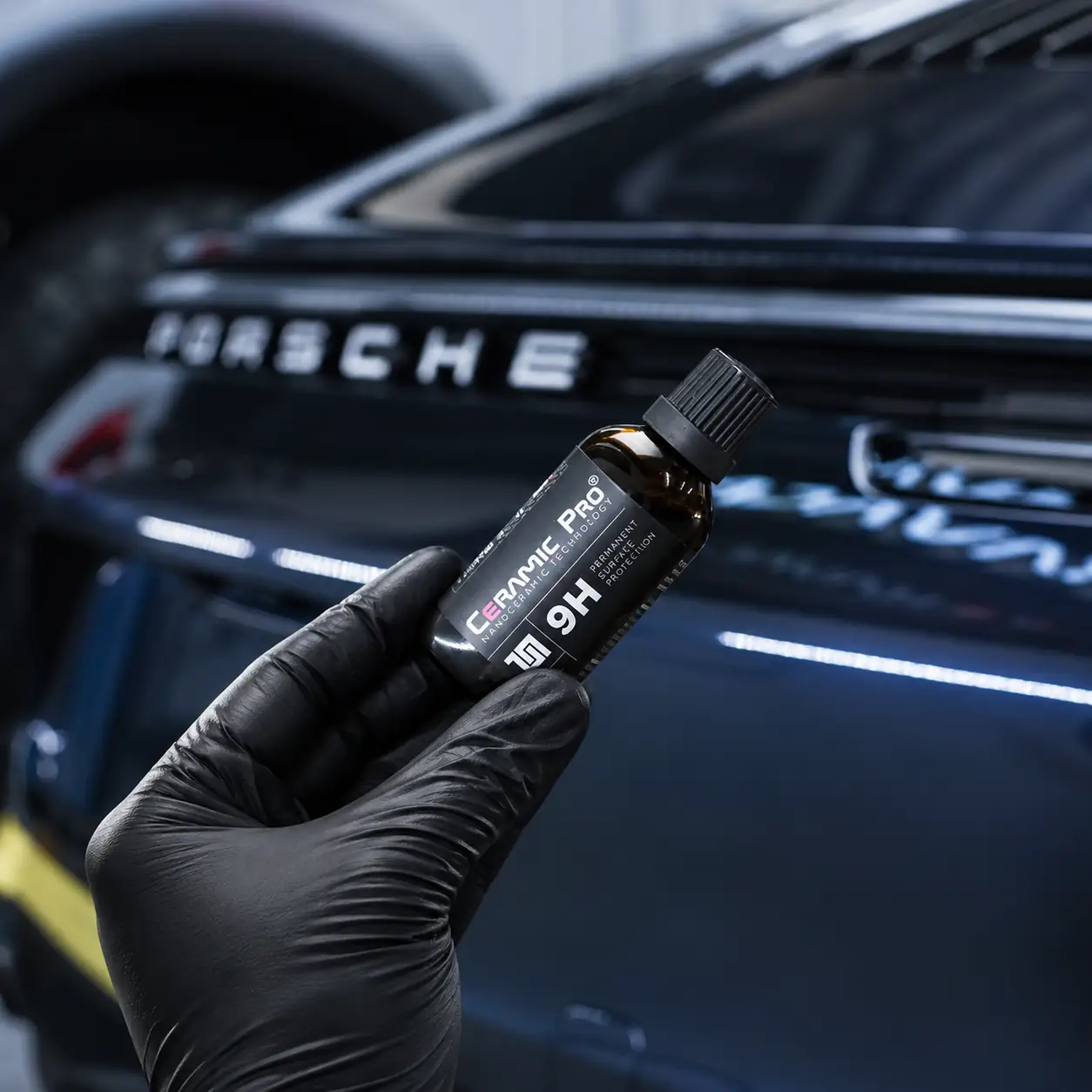
Ceramic Pro 9H is a professional nano-ceramic coating system designed to provide enhanced gloss, hydrophobic performance, UV and weather resistance, and easier maintenance.
For Malaysian drivers dealing with strong sunlight, frequent rain and everyday road grime, these characteristics can make vehicle care more convenient.
This guide explains when to coat a new car, how to assess the paint, whether polishing is necessary and how to select a suitable Ceramic Pro protection package.
1. Does a Brand-New Car Really Need Ceramic Coating?
A new car does not strictly need ceramic coating to be driven or maintained.
However, professional ceramic coating can be a valuable addition for owners who want longer-term surface protection and easier cleaning.
Protecting the Original Finish
A vehicle's factory paint gives the car its colour, depth and visual appearance.
Ceramic Pro 9H creates an additional protective surface layer designed to support the appearance of suitable painted panels.
Enhancing Gloss
Ceramic Pro 9H is designed to improve surface gloss, clarity and reflectivity.
Appropriate paint preparation contributes to the final result.
Hydrophobic Water Repellency
The coating encourages water to bead and move across the finish.
This can help ordinary dirt and grime release more easily during washing.
Easier Everyday Maintenance
A protected surface can be more convenient to clean.
This is particularly relevant for regularly driven cars exposed to Malaysian road conditions.
UV and Weather Resistance
Ceramic Pro 9H is developed with resistance to UV exposure and environmental weathering.
These characteristics help support long-term paint appearance.
Professional Ownership Support
A professionally installed Ceramic Pro coating also provides access to product-specific warranty and aftercare services.
Is Ceramic Coating Necessary for Every New Car?
Not necessarily.
The right decision depends on:
- How the vehicle will be used.
- Whether it will be parked outdoors.
- How often the owner washes the car.
- Desired gloss and protection characteristics.
- Ownership plans.
- Budget and maintenance preferences.
For drivers who value long-term paint appearance and convenient maintenance, ceramic coating is a worthwhile protection option to consider early in ownership.
2. When Is the Best Time to Ceramic Coat a New Car?
The best time is generally after the vehicle has been delivered, inspected and appropriately prepared—ideally before extensive everyday use adds unnecessary contamination or visible wear.
There is no universal rule requiring every new vehicle to wait a specific number of days after dealership delivery.
Before Vehicle Collection
Owners can begin researching coating packages and speaking with an approved installation centre before collecting the car.
This allows time to understand the available systems and plan the installation.
Immediately After Delivery
A newly delivered vehicle can be assessed for coating suitability.
The condition of the original paint, any dealer-applied products and previous repair work should be reviewed.
During the First Few Weeks
Early ownership is a practical period to consider paint protection.
However, no universal one-week, two-week or 30-day deadline applies to every new vehicle.
After Several Months
Ceramic coating can still be considered after the vehicle has been driven for some time.
The installer should inspect the paint and recommend the appropriate preparation.
What About Factory Paint Curing?
Factory-applied automotive paint undergoes the manufacturer's production and curing processes.
It should not automatically be treated the same as freshly repaired paintwork.
What About a Repainted Panel?
A panel that has been repaired or repainted may have different curing requirements.
Before coating a newly repainted area, follow the paint repairer's and coating manufacturer's instructions.
Practical New-Car Coating Timeline
| Vehicle Stage | Recommended Action |
|---|---|
| Before delivery | Research protection options and arrange a consultation |
| At collection | Inspect paint and identify existing treatments or repairs |
| Soon after delivery | Have the surface professionally assessed |
| Before coating | Complete necessary cleaning and preparation |
| After installation | Follow the approved curing instructions |
| During ownership | Maintain the coating with suitable washing and aftercare |
The key is not an arbitrary deadline. It is making sure the paint is suitable and properly prepared before Ceramic Pro 9H is applied.
3. Does a New Car Need Paint Correction Before Ceramic Coating?
Not every new car needs extensive paint correction.
However, every vehicle should be inspected before professional coating installation.
A new car's condition can vary according to its transportation, storage and pre-delivery handling.
Why New Cars May Have Surface Marks
Before delivery, vehicles may experience:
- Transportation and storage.
- Protective-film or adhesive residue.
- Dust and environmental contamination.
- Dealership washing.
- Pre-delivery cleaning.
- Handling during inspection and display.
These processes can sometimes leave fine marks or contamination.
Swirl Marks
Fine circular or directional marks may be visible under suitable lighting.
Their appearance depends on the paint and how the surface has been handled.
Water Deposits
Vehicles stored or washed before delivery may develop water deposits.
Appropriate inspection helps determine whether cleaning or additional treatment is needed.
Bonded Contamination
Some contaminants adhere to the paint and cannot be removed through ordinary washing alone.
Professional decontamination may be recommended.
Does Coating Hide These Imperfections?
Ceramic coating is not a substitute for paint correction.
If the paint has visible imperfections, those marks may remain noticeable after coating.
When Is Paint Correction Appropriate?
The required level of correction should be based on the actual condition of the paint.
A car with an excellent finish may require minimal refinement.
Another vehicle may benefit from targeted correction before coating.
New-Car Paint Assessment Guide
| Paint Condition | Possible Preparation |
|---|---|
| Clean and visually excellent | Inspection, cleaning and appropriate surface preparation |
| Minor surface contamination | Suitable decontamination |
| Fine swirl marks | Targeted professional refinement where appropriate |
| Visible water deposits | Appropriate cleaning or professional assessment |
| Significant scratches | Assess whether correction or repair is suitable |
| Repainted panels | Check paint condition and curing requirements |
| Existing dealer protection | Identify the product and evaluate compatibility |
Why Avoid Unnecessary Polishing?
Paint correction changes the surface through controlled abrasion.
It should be carried out only when appropriate and by trained professionals.
The aim is to prepare and refine the paint—not remove more material than necessary.
A professional inspection is essential. Extensive polishing is not automatically required simply because a car is new.
4. What Should You Check Before Collecting Your New Car?
Vehicle collection is a useful opportunity to review the condition of the paintwork.
Customers do not need specialist equipment to notice every possible issue, but a careful visual check can help identify concerns worth discussing.
Inspect the Exterior Under Good Lighting
Walk around the vehicle and observe the painted surfaces from different angles.
Where possible, review the finish in daylight and suitable inspection lighting.
Look for Visible Swirl Marks
Check the bonnet, doors and other reflective panels for obvious surface marks.
Look for Water Spots
Inspect the paint and glass for persistent deposits.
Check for Paint Chips or Scratches
Look at exposed areas such as the front bumper, bonnet and door edges.
Ask About Previous Repairs
If the vehicle has received any paintwork repairs before delivery, request the relevant information.
Identify Dealer-Applied Protection
Some dealerships offer wax, sealant, coating or other surface treatments.
Ask exactly what has been applied.
Discuss Paint Preparation
If you are planning professional Ceramic Pro coating, tell the installer about existing treatments.
New-Car Collection Checklist
| Check | What to Look For |
|---|---|
| Paint appearance | Visible swirls, scratches or haze |
| Surface cleanliness | Dust, adhesive residue or contamination |
| Water deposits | Marks on paint and glass |
| Panel condition | Chips or visible paint irregularities |
| Repair history | Any disclosed repainting or rectification |
| Dealer treatment | Wax, sealant or coating already applied |
| Planned protection | Coating, PPF or both |
| Aftercare | Washing and curing instructions |
Should You Ask the Dealer Not to Polish the Car?
If you are arranging independent professional detailing, you may discuss your preferred preparation approach with the dealer.
The decision should reflect the condition of the vehicle and the dealer's delivery obligations.
A careful collection inspection provides a better starting point for professional paint protection.
5. What Does Ceramic Pro 9H Do for a New Car?
Ceramic Pro 9H is a professional nano-ceramic coating designed to provide durable surface protection and enhance paint appearance.
It forms part of a multilayer protective system when applied according to the selected package.
High-Gloss Appearance
Ceramic Pro 9H is engineered to enhance gloss, depth and reflectivity.
Its clear finish is designed to complement the underlying paint.
Hydrophobic Surface
The coating encourages water to form beads and move across the protected finish.
This supports easier routine cleaning.
Resistance to Environmental Exposure
Ceramic Pro 9H provides protection characteristics related to UV exposure, weathering and certain chemical contaminants.
These features are relevant to vehicles regularly used or parked outdoors.
Easier Dirt Removal
The coating's surface characteristics can help ordinary grime release more conveniently during washing.
This supports a manageable maintenance routine.
Multilayer Technology
Ceramic Pro 9H is designed for professional multilayer application.
The selected package determines the relevant system configuration.
Ceramic Pro Top Coat
Ceramic Pro Top Coat is designed to enhance surface characteristics such as gloss, slickness and hydrophobic performance.
Its inclusion depends on the approved package and application process.
Ceramic Pro Nano Primer
Ceramic Pro Nano Primer is a surface-preparation product within the Ceramic Pro range.
It should be used when appropriate to the professional coating procedure.
What Makes Ceramic Pro 9H Relevant to New Cars?
A new car often provides an attractive starting finish.
Ceramic Pro 9H helps owners preserve and maintain that finish through suitable professional protection.
Ceramic Pro 9H is designed to enhance the ownership experience through gloss, hydrophobic performance and durable surface care.
Explore the official system: Ceramic Pro 9H — Original Ceramic Coating.
6. What Ceramic Coating Cannot Do for a New Car
Understanding the coating's intended function helps customers make the right decision.
Ceramic Pro 9H provides valuable surface protection, but it should not be confused with every other type of automotive protection.
Stone-Chip Protection
Ceramic coating does not provide the same thick, flexible physical barrier as Paint Protection Film.
Drivers concerned primarily about flying stones and road-debris impacts should also consider PPF.
Deep Scratch Prevention
Ceramic Pro 9H has manufacturer-published hardness characteristics.
However, the 9H designation does not mean that the vehicle is scratch-proof.
Strong or abrasive contact can still damage the surface.
Existing Paint Defects
Ceramic coating does not automatically repair pre-existing scratches, stone chips or paint defects.
These should be assessed before coating.
Water Spots
Hydrophobic performance can improve how water behaves on the surface.
It does not guarantee that mineral deposits or watermarks will never form.
Washing Requirements
A ceramic-coated vehicle still needs regular cleaning.
The coating is designed to make appropriate maintenance more convenient, not eliminate washing.
Guaranteed Resale Value
Maintaining a vehicle's paint appearance may be desirable during ownership.
However, ceramic coating cannot guarantee a specific resale-value increase.
Choosing the Correct Protection
| Your Priority | Protection Worth Considering |
|---|---|
| Premium paint gloss | Ceramic Pro 9H |
| Water repellency | Ceramic Pro 9H |
| Easier routine cleaning | Ceramic Pro 9H |
| Resistance to certain environmental contamination | Ceramic Pro 9H |
| Physical stone-chip protection | Paint Protection Film |
| Protection of forward-facing panels | Full Front PPF |
| Surface care and physical protection | Compatible PPF and ceramic coating combination |
The best protection plan matches the technology to the risks and benefits that matter most to the owner.
7. Ceramic Coating or PPF: What Should You Install First on a New Car?
Ceramic coating and Paint Protection Film offer different forms of protection.
They can complement one another when the products and application process are compatible.
Ceramic Coating
Ceramic Pro 9H focuses on surface protection, gloss, hydrophobic characteristics and easier cleaning.
Paint Protection Film
PPF provides a physical protective film designed to help absorb certain stone-chip impacts and minor external abrasion.
When Both Are Selected
For a protection plan involving both technologies, the installation sequence should be confirmed by the approved centre.
Where the selected products and procedures permit, PPF is generally fitted to the intended panels before compatible ceramic coating is applied over appropriate surfaces.
Why Installation Order Matters
PPF installation involves applying an adhesive-backed protective film over prepared paint.
Pre-existing surface treatments can affect installation requirements and compatibility.
The installer should follow the relevant manufacturer guidance.
Can Ceramic Coating Be Applied Over PPF?
Compatible ceramic coating products may be applied to suitable PPF systems when approved.
However, compatibility must be established for the selected materials.
Do All New Cars Need Both?
No.
Some owners prioritise the surface characteristics of ceramic coating.
Others prioritise physical impact protection or choose a combined system.
New-Car Protection Decision Guide
| Main Concern | Recommended Starting Point |
|---|---|
| Gloss and easier washing | Ceramic Pro 9H |
| Hydrophobic performance | Ceramic Pro 9H |
| Bonnet and bumper stone chips | Full Front PPF |
| Broad physical paint protection | Full Wrap PPF |
| Both impact protection and surface-care benefits | Approved PPF and coating combination |
Practical Advice
Discuss the entire protection plan before booking separate treatments.
This helps ensure preparation, application order and aftercare are compatible.
Choosing ceramic coating and PPF together should be a coordinated professional installation decision, not an improvised combination.
8. What Happens During Professional Ceramic Pro 9H Installation?
Professional ceramic coating involves several stages designed to prepare the vehicle and apply the protection correctly.
Ceramic Pro Malaysia publishes a detailed multilayer coating process.
The exact services included depend on the selected package and vehicle condition.
Stage 1 — Vehicle Inspection
The painted surfaces are inspected.
The installer identifies visible imperfections, contamination and any areas needing additional attention.
Stage 2 — Exterior Cleaning
The vehicle is washed to remove ordinary dirt and road grime.
Appropriate cleaning prepares the surface for further work.
Stage 3 — Decontamination
Bonded contaminants are removed using suitable products and techniques.
This helps achieve a clean surface.
Stage 4 — Paint Correction Where Appropriate
If necessary, professional correction or refinement can improve paint clarity and address suitable imperfections.
The level of work depends on the condition of the vehicle.
Stage 5 — Surface Preparation
The paint is prepared according to the selected Ceramic Pro coating procedure.
Ceramic Pro Nano Primer may be used when appropriate.
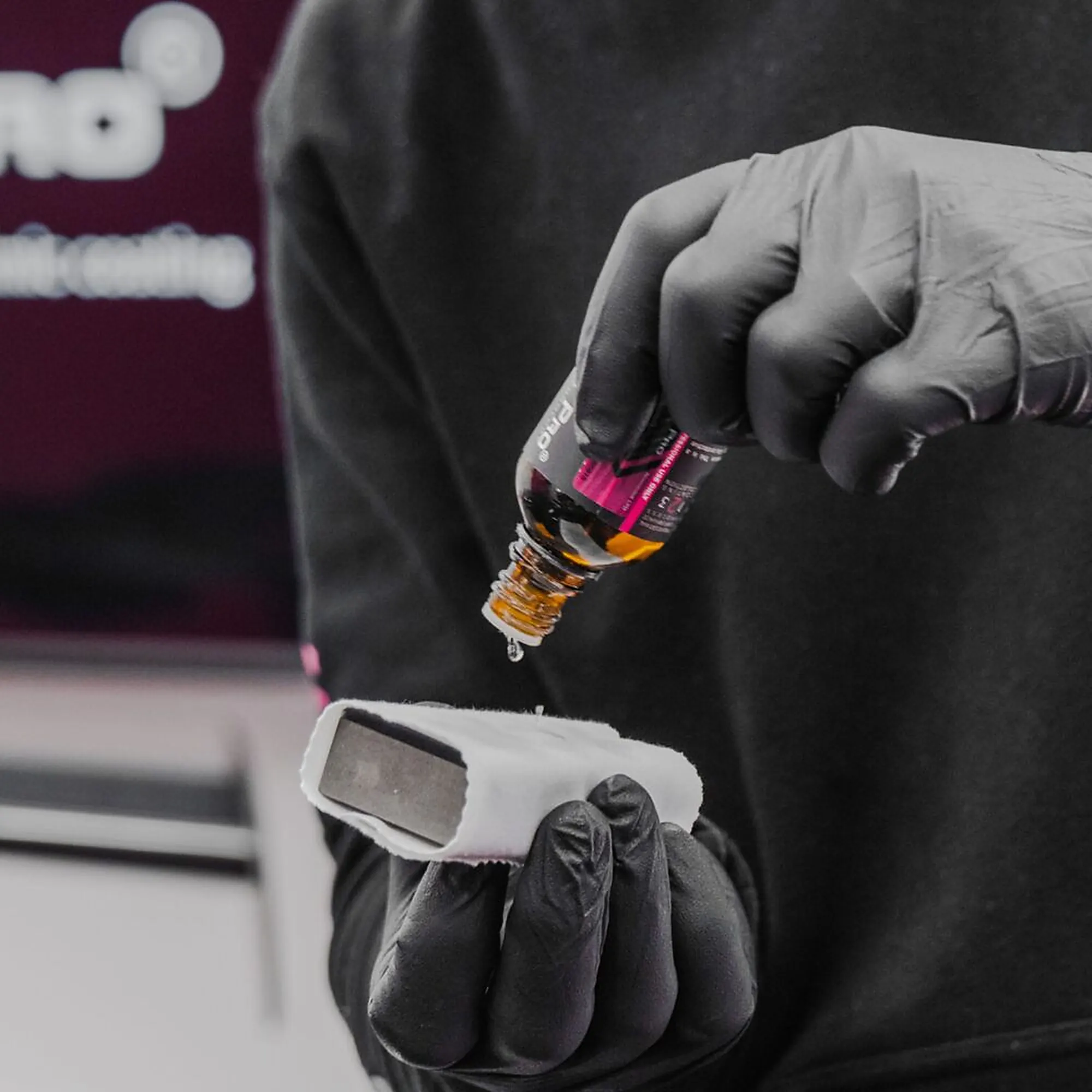
Stage 6 — Ceramic Pro 9H Application
The approved coating system is applied according to the selected package.
Professional techniques help establish the intended protective finish.
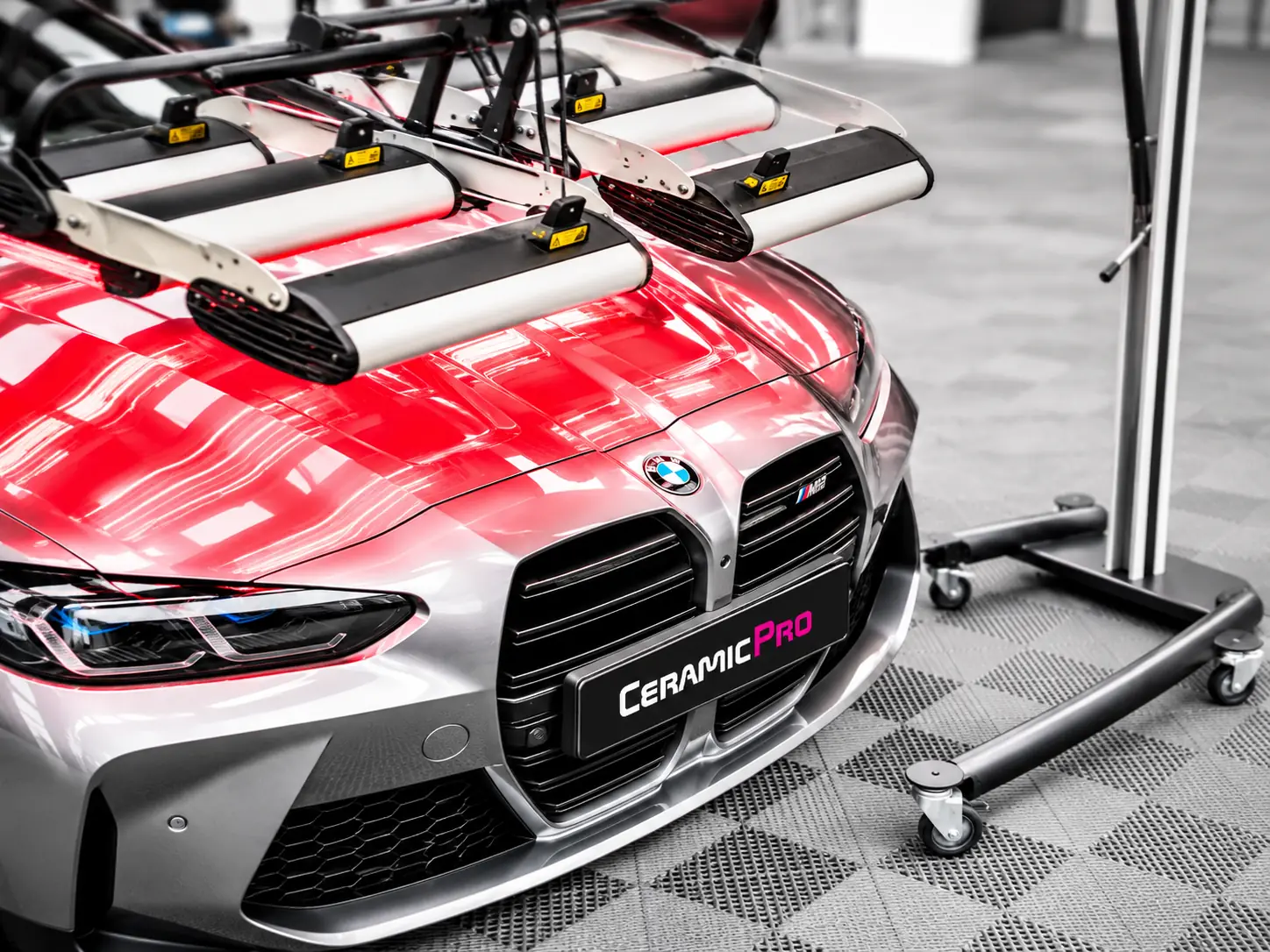
Stage 7 — Controlled Curing
Ceramic Pro Malaysia's published installation process includes infrared curing.
The technician follows the applicable product and installation requirements.
Stage 8 — Complementary Protection Where Included
Depending on the package, relevant surfaces such as glass, trims, wheels or interior materials may receive approved treatments.
Not every package includes every additional surface.
Stage 9 — Final Inspection and Handover
The vehicle is inspected before collection.
The customer receives information about curing, washing and aftercare.
Why the Process Matters
Professional coating is more than applying a liquid product.
The final result depends on surface condition, preparation, application and suitable curing.
A properly prepared vehicle provides the foundation for a premium Ceramic Pro coating finish.
9. Which Ceramic Pro Package Should You Choose for a New Car?
Ceramic Pro Malaysia offers Silver, Gold and Platinum ceramic coating packages.
These provide different levels of protection and published warranty periods.
Ceramic Pro 9H Package Overview
| Package | Published Warranty | Main Consideration |
|---|---|---|
| Silver | 3 years | Professional ceramic protection with a shorter warranty period |
| Gold | 5 years | A longer-term coating package |
| Platinum | 7 years | Extended published warranty coverage |
Warranty periods are subject to the approved package terms and conditions.
Exact coating layers, surface coverage, maintenance entitlements and complimentary services should be confirmed from the current package information.
Silver
Silver may be worth considering for owners looking for a professional Ceramic Pro coating system with the published three-year warranty.
Gold
Gold offers a five-year published warranty and is worth exploring for drivers seeking a longer-term ownership arrangement.
Platinum
Platinum offers a seven-year published warranty and may appeal to owners considering extended protection support.
How Should You Choose?
Consider:
- Planned duration of ownership.
- Driving and parking conditions.
- Desired surface coverage.
- Additional interior or exterior treatments.
- Maintenance entitlements.
- Budget.
- Relevant warranty terms.
Does a Longer Warranty Mean the Coating Cannot Deteriorate?
No.
Warranty duration defines applicable coverage, subject to the published conditions.
Actual coating appearance and performance depend on several factors, including use and maintenance.
Is Gold Always the Best Package?
There is no universal best choice.
Select the package that matches your vehicle, budget and protection expectations.
A suitable Ceramic Pro package should provide the coverage and ownership experience you value—not simply the longest available warranty.
Explore current package inclusions: Ceramic Pro 9H Coating Packages.
10. How Much Does Ceramic Coating Cost for a New Car in Malaysia?
The cost of professional ceramic coating depends on the selected product and required service.
A new car may provide a favourable starting surface, but it still requires inspection and preparation.
What Affects the Quotation?
Common considerations include:
- Vehicle size.
- Paint condition.
- Required cleaning and decontamination.
- Level of paint correction.
- Ceramic Pro package.
- Number of coating layers.
- Included exterior and interior treatments.
- Additional protection requirements.
Is Coating a New Car Cheaper Than an Older Car?
A new vehicle in excellent condition may need less corrective work than an older car with significant imperfections.
However, this is not guaranteed.
The actual preparation depends on the inspected paint.
Do All New Cars Require a Three-Step Polish?
No.
The correct level of paint correction should be determined by the vehicle's condition.
Avoid unnecessary polishing solely to follow a generic assumption.
Should You Compare Quotations by Price Alone?
A useful quotation should identify:
- The actual Ceramic Pro product.
- Selected package.
- Surface preparation.
- Included protection areas.
- Warranty coverage.
- Aftercare arrangements.
Request a Vehicle-Specific Recommendation
For accurate pricing, provide the vehicle model and protection requirements to the approved Ceramic Pro team.
For further details: Ceramic Coating Price in Malaysia: What Should You Expect?.
The right quotation reflects the actual condition of the car and the protection system being installed.
11. How Should You Care for a Newly Ceramic-Coated Car?
After Ceramic Pro 9H installation, proper aftercare helps maintain the intended protective characteristics.
Follow the First-Wash Instructions
Ask the installer when washing is permitted.
There is no universal first-wash waiting period that should be applied to every coating package without confirmation.
Use a Suitable Automotive Shampoo
Once normal washing is permitted, use a gentle pH-balanced shampoo compatible with the coating.
Wash with Clean Microfiber Materials
Clean microfiber wash mitts and drying towels help minimise unnecessary friction.
Avoid Abrasive Automatic Washes
Brush-type automatic car washes can create unnecessary surface contact.
Gentle hand washing or a compatible touchless process is preferable.
Wash in the Shade
Where possible, avoid washing hot panels under direct sunlight.
Remove Contamination Promptly
Bird droppings, tree sap and other deposits should be cleaned using appropriate techniques.
Dry Carefully
Proper drying helps minimise water spotting.
Professional Maintenance
Ceramic Pro Malaysia's official Maintenance Programme provides inspection, cleaning, decontamination and hydrophobic surface care.
Warranty and Support
Keep the relevant warranty and installation information.
Customers can consult the official aftercare page for applicable conditions and service information.
For detailed guidance: How to Maintain Ceramic Coating in Malaysia.
The best ceramic coating experience combines professional installation with correct everyday maintenance.
12. Five New-Car Ceramic Coating Mistakes to Avoid
Understanding a few common mistakes can help customers make a more informed decision.
Mistake 1 — Assuming New Paint Is Perfect
A brand-new vehicle may still have minor marks or contamination.
Professional inspection should come first.
Mistake 2 — Choosing Coating Without Considering PPF
Ceramic coating focuses on surface properties.
If stone-chip protection is a priority, PPF should also be considered.
Mistake 3 — Applying Coating Over Unknown Dealer Products
A vehicle may already have wax, sealant or another surface treatment.
Tell the installer what has been applied so compatibility and preparation can be assessed.
Mistake 4 — Assuming Ceramic Coating Is Scratch-Proof
Ceramic Pro 9H offers durable surface characteristics, but it does not guarantee immunity from scratching.
Mistake 5 — Ignoring Aftercare
A coated vehicle still requires proper cleaning.
Follow the manufacturer's and installer's instructions to maintain its appearance.
Good decisions before installation help customers enjoy the intended benefits of professional protection.
13. New-Car Ceramic Coating Decision Checklist
Before booking, use this checklist to prepare for a professional consultation.
Before Delivery
- Confirm the vehicle model and expected collection date.
- Ask whether the dealer has applied any paint-protection products.
- Find out whether any paint repairs have been carried out.
- Decide whether physical stone-chip protection is also a priority.
At Collection
- Inspect the visible paint condition.
- Check for marks, contamination or water deposits.
- Note any concerns for the installer.
- Retain relevant vehicle and dealer information.
Before Coating
- Arrange a professional paint inspection.
- Confirm whether decontamination or paint correction is needed.
- Select the appropriate Ceramic Pro package.
- Confirm any PPF installation sequence.
- Review the written quotation and warranty.
After Coating
- Follow the specified curing instructions.
- Confirm the first permitted wash.
- Use suitable car-care products.
- Keep the warranty information.
- Arrange professional maintenance where appropriate.
New-Car Protection Planning Summary
| Your Situation | Suggested Next Step |
|---|---|
| Car delivery is approaching | Research Ceramic Pro packages and arrange consultation |
| Car has just been delivered | Inspect paint before coating |
| Paint is visually excellent | Confirm necessary cleaning and preparation |
| Paint has swirl marks | Discuss targeted correction |
| Car has recently repainted panels | Check paint-curing requirements |
| Dealer already applied protection | Identify existing treatment |
| Highway stone chips are the main concern | Consider PPF |
| Gloss and easy washing are priorities | Consider Ceramic Pro 9H |
| Both types of protection are desired | Plan a compatible professional installation |
A clear protection plan is more important than rushing to install a product without inspecting the vehicle.
14. Frequently Asked Questions
15. Final Verdict: Is Ceramic Coating Worth Considering for Your New Car?
**For new-car owners in Malaysia, professional ceramic coating is a worthwhile option when the priority is preserving a premium paint appearance, improving hydrophobic performance and making everyday maintenance more convenient.**
Ceramic Pro 9H is developed to provide an advanced protective surface with a high-gloss finish and long-term ownership benefits.
A new car can be an excellent starting point for professional protection.
However, proper paint inspection and preparation remain important, regardless of the vehicle's age.
Customers should also consider their driving habits and whether physical stone-chip protection through PPF is relevant.
The right protection plan may involve ceramic coating, PPF or an approved combination of both.
Ceramic Pro Malaysia offers Silver, Gold and Platinum coating packages with different warranty periods and protection configurations.
A personalised consultation helps determine the most suitable option.
**YOUR NEW CAR DESERVES A GREAT START.**
Discover Ceramic Pro 9H and request a professional new-car protection recommendation.
Sources and Further Reading
- Ceramic Pro Malaysia — Original Ceramic Coating
- Ceramic Pro Malaysia — After Care & Warranty
- Ceramic Pro Malaysia — Paint Protection Film
- Ceramic Pro Malaysia — Protection Guides
This guide is published by Ceramic Pro Malaysia to help new-car owners understand ceramic coating timing, surface preparation and protection options. Manufacturer-specific product information is based on official Ceramic Pro Malaysia documentation. The preparation guidance explains practical considerations for factory paint, dealership handling and professional coating application. It does not claim that every newly delivered vehicle has paint defects or requires a fixed amount of polishing. No guaranteed resale-value increase, universal coating waiting period or independently measured protection improvement is claimed. The appropriate procedure depends on the vehicle's actual condition and the selected professional protection system.