
Bird droppings, tree sap and environmental contamination can stain or damage automotive paint when left on the surface. The safest approach is to remove deposits promptly using water, appropriate car-care products and gentle cleaning methods, while protecting the paint with a suitable professional coating or paint protection film.
For Malaysian car owners, maintaining a beautiful exterior finish involves more than keeping the vehicle free from visible dust.
Cars are regularly exposed to outdoor parking, tropical rainfall, strong sunlight, roadside trees and everyday environmental contamination.
Bird droppings may land on the bonnet or roof.
Sticky tree sap can accumulate after parking beneath trees.
Rainwater and airborne pollutants may leave deposits on painted surfaces.
Over time, these conditions can affect the appearance of a vehicle if contamination is not addressed appropriately.
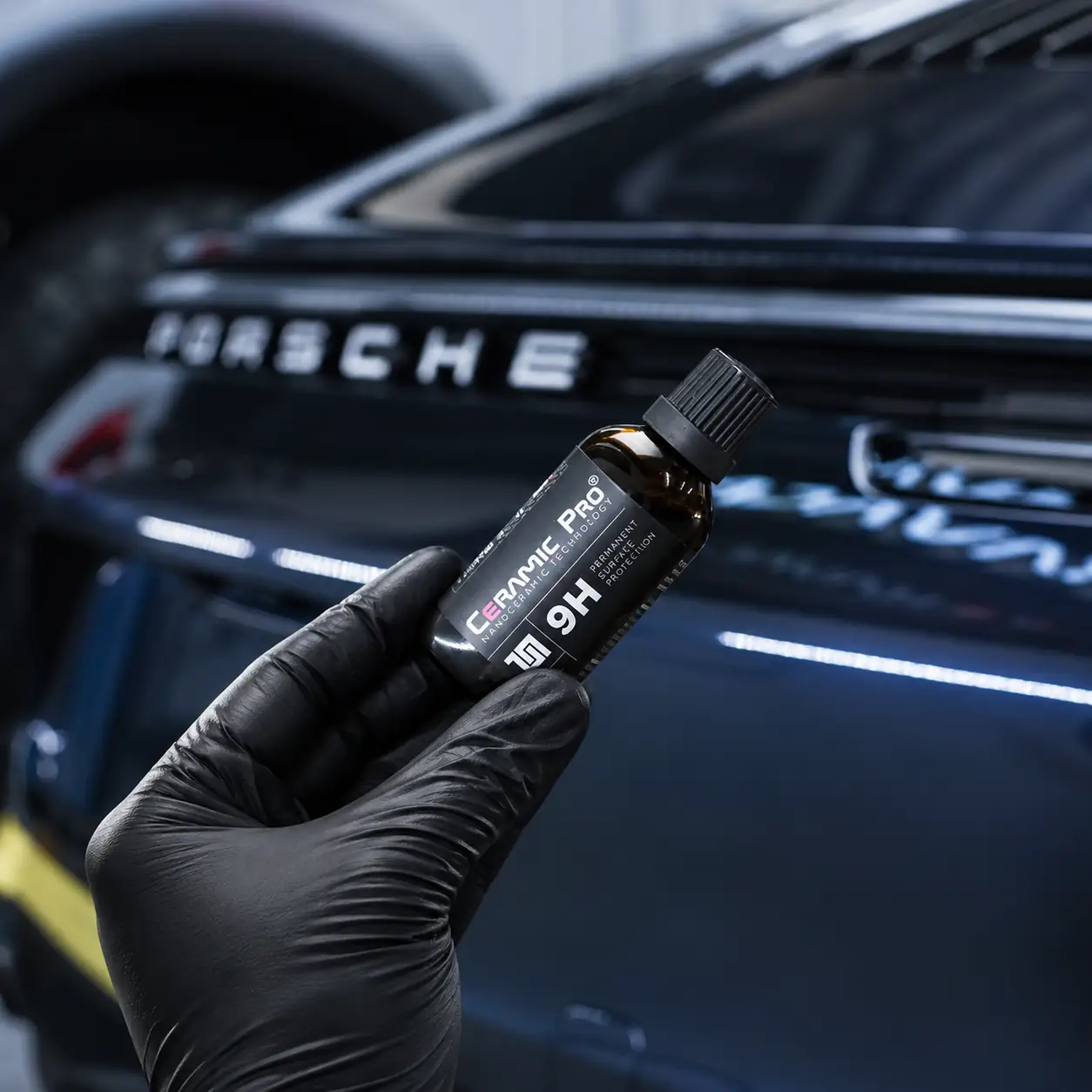
Ceramic Pro 9H is engineered to help protect automotive paint against environmental and chemical contaminants through advanced nano-ceramic technology.
Its hydrophobic characteristics also help make routine cleaning easier.
For customers seeking an additional physical barrier, Ceramic Pro and Magnus Pro Paint Protection Film provide specialised protective top-coat systems.
And for convenient everyday care, Ceramic Pro Auto Bath Club offers an app-connected car-wash experience using the wider Ceramic Pro car-care product ecosystem.
This guide explains the different contaminants, practical removal methods and how suitable surface protection helps maintain a premium finish.
1. Why Do Bird Droppings, Tree Sap and Environmental Contaminants Matter?
Automotive paint is exposed to many substances during everyday driving and parking.
Some contamination can be removed during a routine wash.
Other deposits may become more difficult to clean if allowed to remain for an extended period.
Bird Droppings
Bird droppings contain a mixture of compounds and solid particles.
Depending on their composition and conditions, they can contribute to paint staining or etching.
Tree Sap
Tree sap and other resinous deposits can adhere strongly to painted surfaces.
Some deposits become harder to remove after drying.
Rain-Related Deposits
Rainwater, atmospheric contamination and dissolved minerals can leave residues when water dries on a vehicle.
Industrial and Road Contamination
Airborne particles, road grime and chemical fallout may settle on the exterior.
Why Exposure Time Matters
Contaminants left on painted surfaces may become more difficult to remove.
In some circumstances, prolonged exposure increases the likelihood of staining or damage.
Why Proper Cleaning Matters
Removing contamination using suitable techniques helps preserve the finish.
Aggressive rubbing can create additional surface marks.
Environmental Contamination Overview
| Contaminant | Main Concern | Sensible Response |
|---|---|---|
| Bird droppings | Staining, etching and abrasive particles | Prompt gentle removal |
| Tree sap | Sticky or hardened deposits | Soften and use compatible cleaner |
| Rain-related deposits | Water spots and residue | Suitable washing and drying |
| Airborne pollutants | Surface contamination | Regular cleaning |
| Road grime | Dirt and abrasive particles | Pre-rinse and appropriate shampoo |
| Insect residue | Adhesion and possible staining | Prompt suitable cleaning |
Regular cleaning and appropriate surface protection work together to help maintain the appearance of automotive paint.
2. Can Bird Droppings Damage Car Paint?
Yes. Bird droppings can contribute to staining or etching of automotive paint, especially when deposits remain on the surface.
Automotive refinishing manufacturers recognise bird droppings as a potential cause of paint contamination and surface damage.
Why Bird Droppings Are Different from Ordinary Dust
Bird droppings may contain chemically active compounds as well as solid particles.
These characteristics make careless removal undesirable.
Why Dried Deposits Are More Difficult
As a deposit dries, it may adhere more firmly to the surface.
Scraping or wiping it aggressively can create fine marks.
What About a Vehicle Parked Outdoors?
A vehicle left beneath trees or bird-perching areas may experience more frequent deposits.
Can One Bird Dropping Leave a Mark?
It is possible.
The outcome depends on the deposit, paint condition, exposure time and surrounding conditions.
Does Ceramic Coating Help?
Ceramic Pro 9H is designed to provide chemical resistance and a surface that is easier to clean.
These are valuable protective characteristics when dealing with everyday contamination.
Is Cleaning Still Recommended?
Yes.
Prompt removal remains good practice for both coated and uncoated vehicles.
Key Advice
The best response to bird droppings is early, gentle cleaning—not forceful rubbing or unnecessary chemical treatment.
3. How to Safely Remove Bird Droppings from Car Paint
A careful cleaning process reduces unnecessary friction over the painted surface.
Use these steps for ordinary deposits when the vehicle and finish are suitable.
Step 1 — Move Away from Strong Sunlight
When practical, park in the shade and allow excessively hot panels to cool.
This helps prevent water and cleaning products from drying too rapidly.
Step 2 — Prepare Clean Materials
Use clean water and a suitable soft microfibre cloth.
Have a compatible automotive shampoo or dedicated paint-safe contamination remover available if needed.
Step 3 — Wet the Deposit
Moisten the bird dropping with clean water.
Allow the moisture to soften the deposit.
Step 4 — Avoid Dry Scraping
Do not use a fingernail, hard tool or dry cloth to scrape the deposit away.
Step 5 — Gently Lift the Contamination
Once softened, carefully lift or remove the deposit with a suitable damp cleaning material.
Avoid pressing abrasive particles across the paint.
Step 6 — Rinse the Area
Use clean water to remove remaining contamination.
Step 7 — Clean and Dry Appropriately
Use suitable car shampoo where necessary, rinse thoroughly and dry with a clean microfibre towel.
Safe Removal Checklist
| Do | Avoid |
|---|---|
| Soften the deposit with water | Dry scraping |
| Work on a cool panel | Cleaning aggressively on very hot paint |
| Use clean microfibre | Dirty or abrasive cloth |
| Lift contamination gently | Repeated forceful rubbing |
| Rinse remaining residue | Leaving cleaner to dry |
| Use compatible automotive products | Unverified harsh chemicals |
What If a Mark Remains?
If the contamination has been removed but a visible mark remains, professional inspection may be appropriate.
Repeated rubbing is not a substitute for assessing the finish.
Gentle, timely removal is the most practical first response to bird droppings on car paint.
4. What If Bird Droppings Have Already Dried?
Dried deposits require greater care because they may adhere firmly to the surface.
Do Not Rush the Process
Trying to remove a hard deposit immediately can introduce unnecessary scratches.
Rehydrate the Deposit
Use a suitable damp microfibre cloth or compatible cleaning product to soften it.
Allow Time for Softening
Let moisture work on the deposit before attempting removal.
The necessary time depends on the condition of the material.
Remove in Stages
If the deposit remains firmly attached, repeat gentle wetting instead of increasing pressure.
Inspect the Surface
After removal, check whether the mark was only residue or whether staining remains.
When to Seek Professional Help
If the deposit cannot be safely removed or a visible etched mark persists, consult a professional.
Why This Matters
The objective is to remove contamination without creating additional surface damage during the cleaning process.
Dried bird droppings should be softened, not scraped.
5. Can Tree Sap Damage Car Paint?
Yes. Tree sap and resinous deposits can adhere to automotive paint and may contribute to staining or surface contamination.
Paint manufacturer PPG identifies tree sap and resins among common sources of paint contamination.
Why Tree Sap Is Sticky
Tree sap contains substances that can adhere strongly to a surface.
What Happens When It Dries?
Some deposits become more difficult to remove after exposure to the environment.
Why Parking Under Trees Matters
Trees may release sap, resin or other organic material.
Bird droppings and fallen plant matter may also be more common in these parking locations.
Can Tree Sap Affect a Coated Vehicle?
A protected vehicle may still collect tree sap.
Ceramic Pro 9H's chemical-resistant, easy-clean surface is designed to help reduce the effects of environmental contamination.
What About PPF?
Protective film provides an additional surface layer over the underlying paint.
The film itself should still be cleaned using compatible products.
Is All Tree Sap the Same?
No.
Different deposits can vary in composition, consistency and ease of removal.
Tree sap should be treated as a surface contaminant requiring suitable cleaning rather than something to be scraped away aggressively.
6. How to Remove Tree Sap Safely
The safest method depends on whether the sap is fresh, sticky or hardened.
Fresh Tree Sap
If the sap is still soft, begin with a compatible gentle cleaning method.
Use suitable water-based cleaning where appropriate.
Hardened Tree Sap
A hardened deposit may require specialised automotive cleaning products.
First, Assess the Surface
Check whether the vehicle has:
- Factory paint.
- Ceramic coating.
- Paint protection film.
- A matte or specialist finish.
Products and methods should be compatible with the actual surface.
Use Suitable Products
A professional paint-safe or film-compatible sap remover may be appropriate when ordinary washing is insufficient.
Follow the product instructions and the protection manufacturer's guidance.
Avoid Household Solvents
Do not assume strong solvents, fuel, alcohol mixtures, kitchen cleaners or household chemicals are safe for every automotive finish.
Avoid Scraping
Do not use sharp tools or force to lift hardened sap.
Consider Professional Cleaning
If the deposit is stubborn or the paint finish is sensitive, seek professional assistance.
Tree Sap Removal Guide
| Condition | Appropriate Approach |
|---|---|
| Fresh deposit | Gentle compatible cleaning |
| Sticky residue | Suitable automotive cleaner |
| Hardened sap | Assess and use appropriate specialised removal |
| Ceramic-coated paint | Follow coating-safe procedures |
| PPF-covered panel | Follow film-compatible procedures |
| Persistent stain | Professional evaluation |
Careful product selection matters more than aggressive cleaning strength.
7. What Is Acid Rain, and Can It Affect Car Paint?
Acid rain refers to precipitation containing elevated acidity associated with certain atmospheric pollutants.
It is one of several forms of environmental exposure relevant to automotive finishes.
How Atmospheric Pollution Contributes
Certain pollutants can react in the atmosphere and contribute to acidic precipitation.
Can Paint Be Affected?
Exposure to chemically active substances can contribute to staining or changes in paint appearance under some conditions.
Is Every Rainfall in Malaysia Acid Rain?
No.
Ordinary rainfall should not automatically be described as acid rain.
What About Visible Water Spots?
Water spots may be caused by mineral deposits, contamination or other residues.
A water spot alone is not proof of acid rain.
Why Washing Helps
A suitable wash removes accumulated dirt and residues.
Why Drying Matters
Drying with clean microfibre materials can help reduce deposits left by evaporating water.
How Ceramic Pro 9H Helps
Ceramic Pro 9H provides hydrophobic behaviour, weather resistance and chemical-resistant surface characteristics.
These properties support easier cleaning and protection against everyday environmental exposure.
Should Owners Worry Every Time It Rains?
No.
The practical response is a sensible care routine rather than assuming every rainfall causes chemical damage.
Protective technology and appropriate maintenance are more useful than treating every rain event as a threat to the paint.
8. Does Hot Malaysian Weather Make Paint Contamination Harder to Remove?
Sunlight and surface temperature can affect how quickly deposits and cleaning products dry.
Hot Vehicle Panels
Panels exposed to strong sunlight may become significantly warmer than the surrounding air.
Faster Drying
Water and cleaning products can evaporate more quickly on hot surfaces.
Residue Adhesion
Some contaminants become more difficult to remove once dried.
Why Shaded Cleaning Is Recommended
Ceramic Pro Malaysia recommends washing in the shade whenever possible.
Why Dry Wiping Is Discouraged
Dust and solid particles can be dragged across the paint during dry wiping.
A Practical Outdoor-Parking Routine
When possible:
- Inspect visible contamination.
- Remove fresh deposits promptly using a suitable method.
- Avoid forceful cleaning on hot panels.
- Choose shaded washing where practical.
- Dry the surface appropriately after washing.
Why This Is Particularly Relevant in Malaysia
Outdoor parking, strong sunlight and regular rainfall are common ownership conditions.
A practical maintenance routine helps manage these exposures.
The right cleaning timing and method are important parts of long-term paint care.
9. How Does Ceramic Pro 9H Protect Against Environmental Contaminants?
Ceramic Pro 9H is a professional multilayer nano-ceramic coating designed to provide chemical resistance, hydrophobic performance, UV and weather resistance, enhanced gloss and easier routine maintenance.
These characteristics help address the surface-care challenges of everyday driving.
Chemical Resistance
Ceramic Pro 9H is designed to help protect against chemical contaminants, including bird droppings, tree sap and road-related residues.
Hydrophobic Water Repellency
Its hydrophobic surface encourages water to bead and move across the paint.
Easier Cleaning
The coated surface is designed to reduce the adhesion of ordinary dirt and grime.
Premium Gloss
Ceramic Pro 9H enhances paint clarity, depth and reflectivity.
UV and Weather Resistance
The coating is engineered to support protection against environmental exposure.
Enhanced Surface Hardness
Its high-hardness protective layer is designed to improve resistance to minor surface wear and certain fine marks.
Multilayer Technology
Ceramic Pro 9H can be applied as a professional multilayer protective system.
Why These Benefits Matter Together
Bird droppings, sap, road grime and environmental deposits are easier to manage when paint has a suitable protective surface and receives proper care.
Ceramic Pro 9H Benefits
| Ceramic Pro 9H Feature | Customer Benefit |
|---|---|
| Chemical resistance | Helps protect against environmental contaminants |
| Hydrophobic surface | Encourages water beading |
| Reduced dirt adhesion | Supports easier washing |
| Hyper-gloss finish | Enhances paint appearance |
| UV and weather resistance | Supports protection during outdoor exposure |
| Multilayer construction | Durable professional protective system |
| Enhanced surface hardness | Improves resistance to certain minor marks |
The Recommended Approach
Combine professional Ceramic Pro installation with suitable routine washing.
Ceramic Pro 9H is engineered to help the original paint look better, stay protected and remain easier to maintain through everyday ownership.
Explore:
Ceramic Pro 9H Ceramic Coating
CERAMIC PRO 9H
Advanced chemical resistance. Hydrophobic protection. Exceptional gloss.
10. How Does Paint Protection Film Help?
Paint Protection Film offers another approach to vehicle protection.
It creates a physical protective layer over suitable painted surfaces.
Physical Film Barrier
PPF provides additional material between the paint and environmental exposure.
Contaminant Exposure
Rain, road grime and other contaminants encounter the protective film surface over covered areas.
Protective Top-Coat Technology
Current Ceramic Pro and Magnus Pro PPF systems offer engineered protective surfaces with easy-clean and hydrophobic characteristics as applicable to the selected product.
Self-Healing
Relevant film systems include self-healing surface technology designed to help suitable fine scratches recover.
Stone-Chip Protection
PPF is also designed to help reduce damage from certain road debris and stone-chip impacts.
Coverage Choices
Customers can choose protection for selected vulnerable areas or broader body coverage.
Existing Protective Technology
Modern Ceramic Pro and Magnus Pro PPF already include advanced protective top-coat technology.
A separate ceramic-coating upgrade should not be presented as necessary for every PPF customer.
PPF Protection Overview
| Feature | Purpose |
|---|---|
| Physical film | Additional protective barrier |
| Protective top coat | Surface protection and easy-care characteristics |
| Hydrophobic behaviour | Supports water repellency where specified |
| Self-healing surface | Helps address suitable fine marks |
| Stone-chip resistance | Helps manage certain road-debris impacts |
| Coverage options | Protects selected panels or larger exterior areas |
Why PPF Is Relevant
Customers who want both physical impact protection and easier surface care may benefit from a professionally installed PPF system.
PPF adds a physical protection layer while preserving the original paint beneath the covered areas.
Explore:
11. Ceramic Coating vs PPF for Bird Droppings and Tree Sap
Ceramic coating and PPF use different technologies.
They can both contribute to a considered paint-protection strategy.
Ceramic Pro 9H
Provides an advanced protective coating directly over suitably prepared painted surfaces.
Its main benefits include chemical resistance, gloss, hydrophobic properties and easier cleaning.
Paint Protection Film
Provides a physical protective layer over the paint, with specialised surface technology.
Which Is Better for Chemical Contamination?
The appropriate choice depends on the broader protection objectives, the exact product and the vehicle.
If Easy Cleaning Is a Priority
Ceramic Pro 9H offers a compelling solution for owners seeking enhanced gloss and reduced dirt adhesion.
If Physical Protection Is Also Important
PPF offers an additional barrier against road impacts and everyday surface hazards.
Comparison
| Priority | Ceramic Pro 9H | Paint Protection Film |
|---|---|---|
| Chemical-resistant surface | Core benefit | Product-specific surface protection |
| Hydrophobic characteristics | Core benefit | Available in current protective top coats |
| Easier cleaning | Yes | Yes, depending on film system |
| Gloss enhancement | Yes | Available with gloss film finishes |
| Physical barrier thickness | Thin coating system | Thicker protective film |
| Stone-chip defence | Not its primary purpose | Core purpose |
| Surface hardness | High-hardness coating | Engineered protective top coat |
| Targeted panel coverage | Depends on coating package | Multiple coverage packages |
Which Should a Customer Choose?
The answer depends on whether the priority is primarily surface chemistry and gloss, physical impact protection or a wider protection strategy.
Practical Recommendation
Choose Ceramic Pro 9H for advanced coating protection and easy-clean gloss. Choose PPF when a physical protective film is an important part of the objective.
For the full comparison:
12. Why Routine Washing Still Matters After Professional Paint Protection
Ceramic coatings and protective films are designed to help protect automotive surfaces.
Routine cleaning remains part of good vehicle care.
Removing Surface Contamination
Washing removes dirt, dust and other residues from the protective surface.
Maintaining Appearance
Suitable cleaning helps preserve a refined exterior finish.
Managing Rainy-Season Grime
Road spray and splashes can leave contamination on lower panels.
Supporting Hydrophobic Performance
Removing surface deposits helps preserve the intended water-repellent characteristics.
Avoiding Abrasive Techniques
Clean materials and gentle processes help reduce avoidable surface marks.
Using Suitable Shampoo
Ceramic Pro recommends pH-balanced automotive shampoo for routine care.
Proper Drying
Clean microfibre drying helps manage residual water.
What About Professional Maintenance?
Specialised coating inspection and decontamination may be needed separately from ordinary washing.
The Main Principle
A protected vehicle benefits from a consistent, suitable washing routine—not aggressive cleaning or unnecessary treatments.
13. Ceramic Pro Auto Bath Club: A Convenient Way to Maintain Your Car
Ceramic Pro Auto Bath Club is an app-connected car-care membership concept designed around everyday vehicle washing, Ceramic Pro products and selected membership benefits.
It provides a practical option for owners who prefer regular professional washing.
Regular Vehicle Care
Everyday washes help remove accumulated dirt and environmental deposits.
Ceramic Pro Car-Care Products
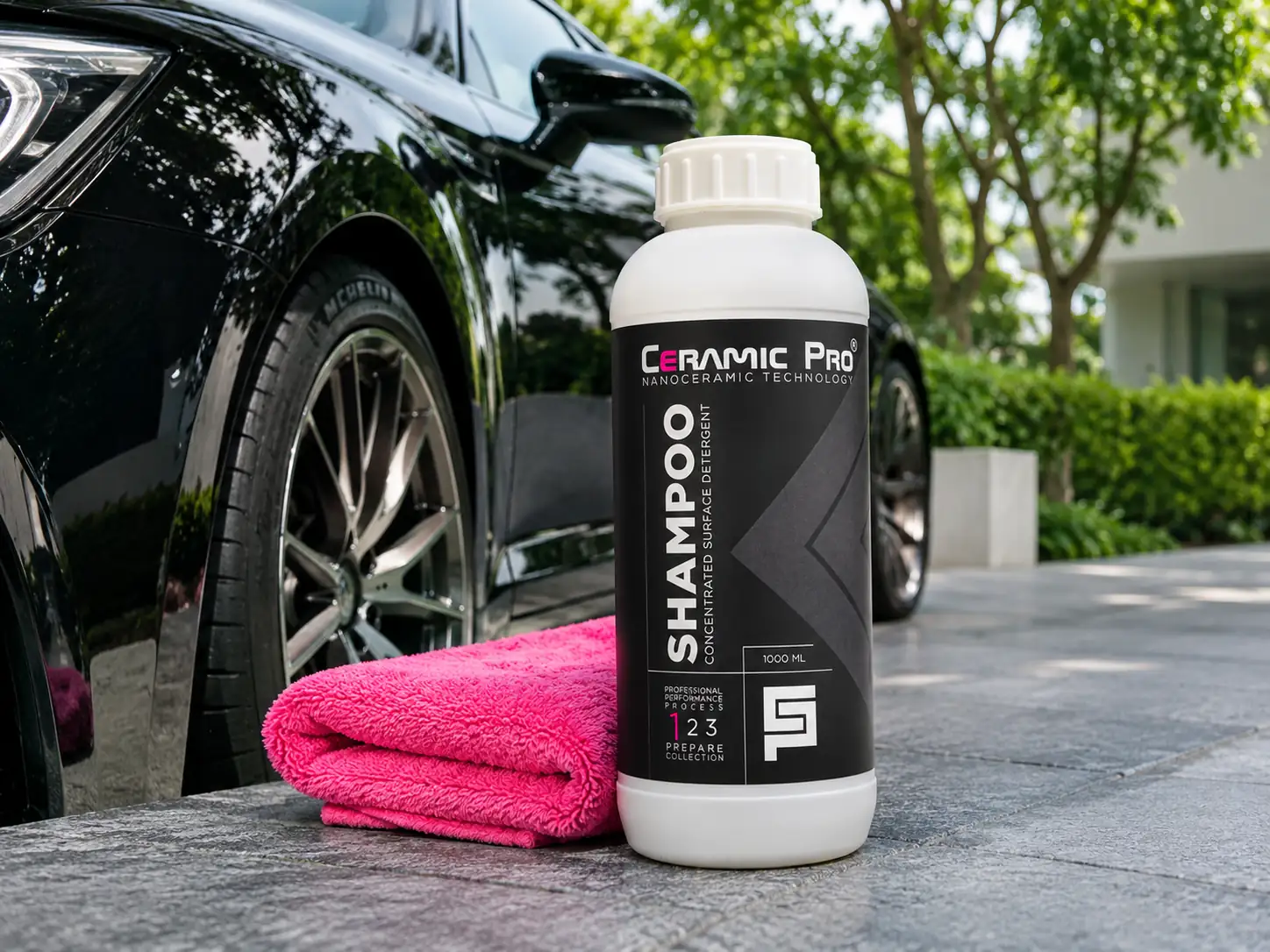
The Auto Bath Club product ecosystem includes Ceramic Pro Shampoo, Cleaner, Care, Sport, Glass and other care products.
App-Connected Convenience
Membership and selected rewards are accessible through the official app.
Membership Benefits
Available privileges depend on the current plan.
Participating Locations
Customers can explore current operating outlets through the official website or app.
Why This Connects to Environmental Protection
Regular suitable washing helps prevent bird-dropping residue, road grime and other contamination from remaining on the surface unnecessarily.
Is Every Wash a Decontamination Treatment?
No.
Routine washing and specialist paint decontamination are separate services.
Customers should confirm the actual treatment inclusions when booking.
Auto Bath Club Customer Benefits
| Feature | Practical Value |
|---|---|
| Professional car-wash services | Convenient routine cleaning |
| Ceramic Pro product ecosystem | Access to selected car-care products |
| Membership | Regular customer benefits |
| Mobile app | Connected service experience |
| Participating outlets | Location choices |
| Additional treatments | Optional specialised care |
Explore Auto Bath Club
Good surface protection becomes easier to maintain when the washing routine is convenient and consistent.
CERAMIC PRO AUTO BATH CLUB
Make regular car care a better routine.
14. How to Reduce Environmental Contamination When Parking
Parking habits can influence how frequently a vehicle encounters certain contaminants.
Consider Tree Cover
Parking beneath trees may provide shade but can also expose a vehicle to sap, leaves, berries and bird droppings.
Avoid Known Bird-Perching Areas
Where practical, choose spaces away from areas with frequent bird activity.
Use Suitable Covered Parking
A suitable covered space can reduce some direct environmental exposure.
Inspect the Vehicle After Outdoor Parking
Check the bonnet, roof and other horizontal panels when contamination is visible.
Remove Fresh Deposits Promptly
Gentle early cleaning may be easier than treating hardened deposits later.
Do Not Dry-Wipe Dust
Use an appropriate washing method instead of dragging loose contamination across the paint.
Maintain a Suitable Protection System
Professional coating or PPF can support everyday surface protection.
Keep Washing Materials Available
A clean microfibre cloth and suitable paint-safe cleaning product can be useful for careful spot cleaning.
Practical Parking Checklist
| Situation | Consideration |
|---|---|
| Parking beneath trees | Sap and bird-dropping exposure |
| Open-air parking | Sun, rain and airborne contamination |
| Covered parking | Reduced direct environmental exposure |
| After heavy road spray | Inspect for accumulated grime |
| Visible bird droppings | Prompt suitable removal |
| Hardened contamination | Gentle cleaning or professional help |
Preventing unnecessary exposure and removing contamination early are practical habits for preserving a premium paint finish.
15. When Should You Seek Professional Paint Assessment?
Not every visible mark can be resolved by ordinary washing.
A careful assessment can help identify the appropriate treatment.
Remaining Stains
If a mark remains after the deposit is removed, the paint may require inspection.
Persistent Sap Residue
Some deposits may require specialised cleaning.
Visible Etching
An etched appearance may indicate a change to the paint surface rather than loose contamination.
Uncertain Surface Finish
Ceramic-coated, PPF-covered, matte or specialist finishes may require specific procedures.
Avoid Unapproved Polishing
Abrasive treatments should not be attempted without considering the actual protection system.
What a Professional May Assess
- Whether the deposit is still present.
- Whether the issue is superficial contamination.
- Whether the protective coating or film remains in suitable condition.
- Whether specialist cleaning is needed.
- Whether paint correction or another procedure is appropriate.
Ceramic Pro Maintenance Programme
Ceramic Pro Malaysia publishes a structured Maintenance Programme involving washing, inspection, decontamination and selected surface-care treatments.
This is separate from an ordinary wash.
Warranty Expectations
Protection warranties have defined terms and exclusions.
Environmental contamination and resulting staining are not automatically covered.
Customers should consult the actual official warranty rather than assume every external incident qualifies.
Official Aftercare
Ceramic Pro Malaysia — After Care & Warranty
Professional assessment is useful when routine cleaning is no longer enough to restore the surface's appearance.
16. A Practical Paint-Protection Routine for Malaysian Car Owners
A manageable routine can help owners look after their vehicles without making care unnecessarily complicated.
After Outdoor Parking
Check for visible bird droppings, sap and other unusual deposits.
When Fresh Contamination Appears
Remove it gently using compatible cleaning methods.
During Regular Washing
Use suitable automotive shampoo and clean washing materials.
During Rainy Weather
Pay attention to road grime, splashes and remaining residues.
Before Drying
Ensure contamination has been rinsed or washed away.
After Cleaning
Dry with a suitable clean microfibre towel.
With Ceramic Coating
Follow the relevant coating aftercare instructions.
With PPF
Follow the exact film's recommended cleaning and inspection guidance.
When Surface Performance Changes
Arrange suitable professional assessment rather than applying aggressive treatments automatically.
Daily-to-Periodic Care Checklist
| Situation | Recommended Response |
|---|---|
| Fresh bird dropping | Gentle prompt removal |
| Fresh tree sap | Appropriate surface-safe cleaning |
| Hardened deposit | Soften and assess |
| Ordinary dust and grime | Suitable wash |
| Rain-related residue | Wash and dry as needed |
| Surface stain remains | Professional inspection |
| Hydrophobic performance changes | Clean and assess surface |
| Regular ownership care | Follow approved aftercare routine |
The Main Lesson
Professional surface protection and thoughtful everyday habits work together to help preserve the finish.
17. Frequently Asked Questions
18. Final Verdict: Protect the Paint. Preserve the Finish.
Bird droppings, tree sap and environmental contamination are everyday challenges for Malaysian car owners—but good protection and practical care can help keep the vehicle looking its best.
The most important habit is to remove contaminants promptly using suitable cleaning methods.
Avoid dry scraping, abrasive materials and unnecessarily aggressive chemicals.
Ceramic Pro 9H provides an advanced multilayer coating with chemical resistance, hydrophobic properties, enhanced gloss and easier cleaning.
Ceramic Pro and Magnus Pro PPF offer an additional physical protective layer, with engineered top-coat characteristics for everyday use.
Together with a sensible wash routine, these technologies help owners maintain the appearance of their vehicle through regular driving and outdoor exposure.
For convenient routine care, Ceramic Pro Auto Bath Club connects professional washing and selected Ceramic Pro car-care treatments with app-based membership and rewards.
The right solution depends on your vehicle, driving habits and protection priorities.
A BEAUTIFUL FINISH DESERVES PROTECTION THAT LASTS.
Discover Ceramic Pro 9H, explore professional PPF options and keep your vehicle looking its best with appropriate car care.
About This Technical Guide
This guide is published by Ceramic Pro Malaysia to educate motorists about automotive paint contamination and practical protection methods.
General contamination and cleaning information is supported by professional automotive refinishing guidance and established motoring advice.
Ceramic Pro 9H, Ceramic Pro PPF, Magnus Pro PPF and Auto Bath Club information is based on the current official Ceramic Pro Malaysia website.
The article explains the intended benefits of professional protective technologies without claiming universal resistance to all contamination or environmental conditions.
External environmental damage and staining may be excluded from manufacturer warranties, subject to the applicable written terms.
The guide does not claim independent side-by-side testing of Ceramic Pro products against competing systems.
It does not present invented laboratory results, customer testimonials, chemical-resistance percentages or guaranteed cleaning outcomes.