The essentials
What matters most.
Vehicle Size and Window Coverage
Larger vehicles often need more window film and installation work.
Heat Rejection: What Should You Compare?
A darker tint does not always provide better heat protection.
How to Compare Car Tint Quotations
Two tint packages may look similar but offer different features.
Car tint prices in Malaysia vary depending on the film, vehicle size and installation quality. But how much should you expect to pay?
Whether you drive a sedan, SUV or MPV, choosing the right tint means looking beyond the cheapest price. Good window film should offer suitable heat rejection, clear visibility and reliable warranty support.
This guide explains what affects car window tinting prices and how to compare packages before making a decision.
How Much Does Car Tint Cost in Malaysia?
Car tint prices vary depending on the film technology, vehicle type and coverage selected.
For premium window tinting, Magnus Pro Nano Ceramic Window Tint packages range from RM2,000 to RM3,500.
Our team can help you explore the available options and recommend the most suitable window film for your vehicle.
Contact us for a personalised quotation.
1. Vehicle Size and Window Coverage
Larger vehicles often need more window film and installation work.
A compact sedan may cost less to tint than an SUV or MPV. Curved glass, small windows and panoramic roofs can also affect the price.
Before choosing a package, check which windows are included:
- Front windscreen and front side windows
- Rear side windows and rear windscreen
- Small quarter windows
- Sunroof or panoramic roof, if required
- Removal of existing tint
Not every full-car tint package includes the sunroof. Ask the installer to confirm the coverage and any extra charges.
2. Nano Ceramic vs Nano Titanium Window Film
The type of window film is another important price factor.
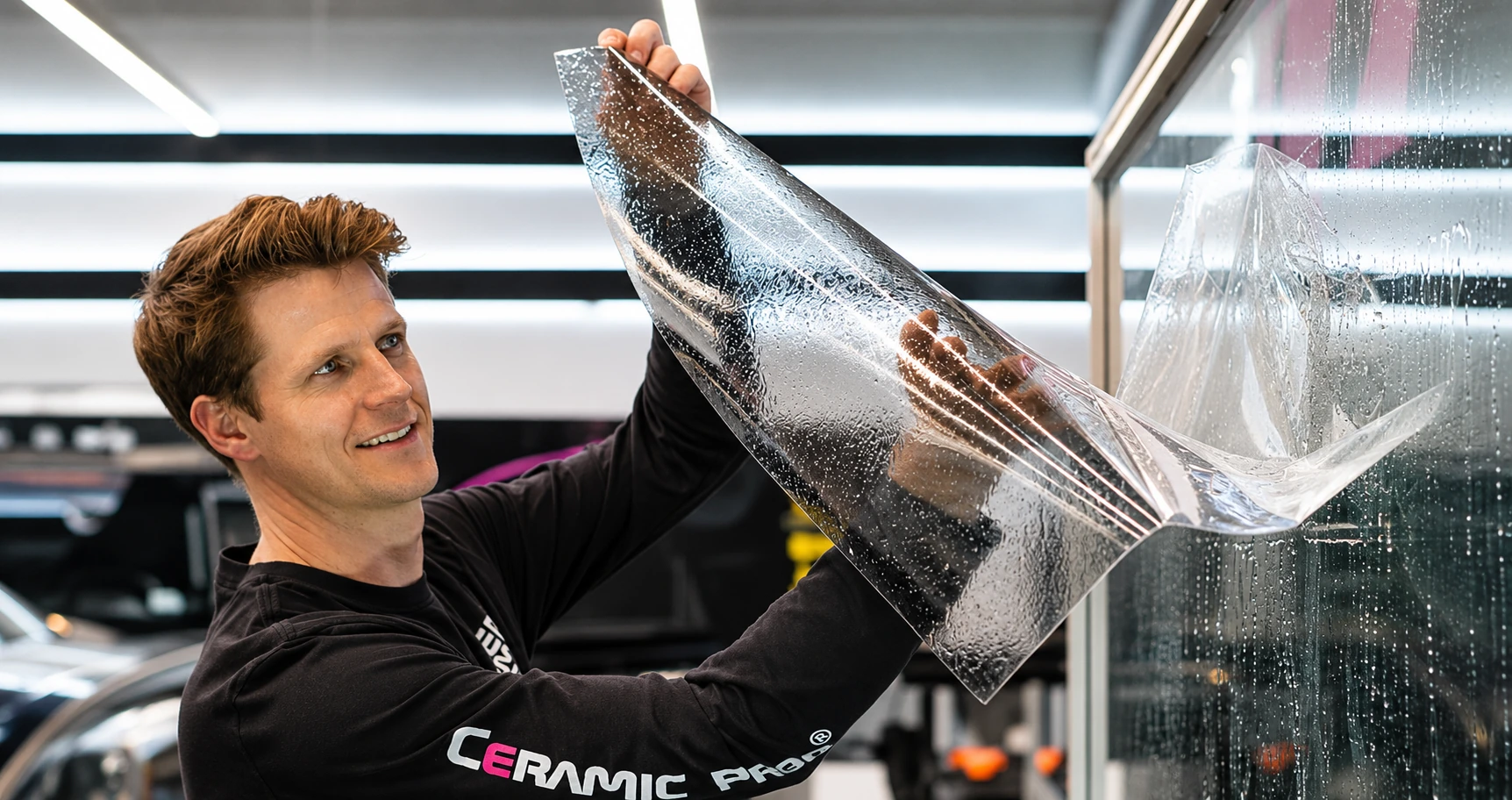
Magnus Pro Nano Ceramic focuses on solar comfort and window film performance. It is suitable for drivers looking to improve everyday comfort and reduce the effects of sunlight.
Magnus Pro Nano Titanium uses a thicker, security-focused film construction. Its advertised 6 mil thickness may appeal to drivers who also want the features of a security film.
Both ranges offer different choices of tint shades.
When comparing them, consider your budget, driving habits and preferred film features. A thicker film does not automatically mean better heat rejection.
You can explore the Magnus Pro Window Film range to learn more.
3. Heat Rejection: What Should You Compare?
A darker tint does not always provide better heat protection.
Understanding a few common measurements can help you choose the right film.
Visible Light Transmission (VLT)
VLT tells you how much visible light passes through the glass. Higher VLT means more light passes through.
Choose a shade that provides good visibility and meets Malaysian regulations.
Total Solar Energy Rejection (TSER)
TSER measures how much total solar energy the glass and film reject.
It is a useful figure for comparing overall heat-control performance when the products are tested under similar conditions.
Infrared Rejection (IRR)
IRR shows how much infrared energy a film rejects over a stated range.
Check the testing method before comparing two IRR percentages.
UV Rejection
UV rejection describes how much ultraviolet radiation the film blocks.
When choosing tint, compare UV protection together with heat rejection, visibility and warranty.
Buying tip: Ask for a product specification sheet instead of relying only on advertising claims.
4. JPJ Tint Rules in Malaysia
Your car tint must follow the applicable JPJ requirements.
For standard private passenger cars, Malaysian rules require at least 70% VLT for the front windscreen and 50% for the front driver and passenger side windows.
For these private passenger cars, there is no minimum VLT limit for the rear side windows or rear windscreen, provided the vehicle is equipped with both left and right side mirrors. The Ministry of Transport's 2019 explanation sets out this private-vehicle allowance and mirror condition.
Do not apply this private-car rear-window allowance to vehicles registered and used for public transport or goods transport. Commercial and public-service vehicles may have different requirements; confirm the applicable vehicle category and inspection requirements with JPJ or PUSPAKOM before installation.
Remember that the original glass also affects the final VLT. A film's stated VLT does not guarantee that the completed window will comply.
Ask your installer to check the finished glass and film combination. Refer to the Ministry of Transport's 2019 explanation and PUSPAKOM's 7 July 2025 statement for the standard limits and combined-VLT measurement. The JPJ exemption application guidance explains how to apply for permission to use darker glass; it is not the primary source of the standard VLT limits.
5. Installation Quality and Warranty
Good film requires careful installation.
The installer should clean the glass, position the film correctly and remove excess installation water. Poor installation may leave dirt, creases or lifting edges.
Some temporary moisture haze is normal while new film dries. Persistent problems should be checked by the installer.
Before paying, ask these questions:
- How long is the warranty?
- Does it cover peeling, bubbling or discolouration?
- Do I need to register the warranty?
- Where can I make a warranty claim?
- What care instructions should I follow?
A slightly higher price may offer better value when it includes experienced installation and dependable after-sales support.
6. How to Compare Car Tint Quotations
Two tint packages may look similar but offer different features.
Before deciding, compare the following:
Film: Check the exact brand, series and selected shade.
Performance: Compare VLT, TSER, UV rejection and the stated IRR test method.
Coverage: Confirm which windows are included.
Installation: Ask who will carry out the work.
Warranty: Check the coverage period and exclusions.
Extra charges: Confirm the cost of tint removal, larger vehicles and sunroof installation.
Ask for a written quotation. This makes it easier to compare offers fairly.
Frequently Asked Questions
Find the Right Window Film for Your Car
The right tint should balance driving comfort, visibility, protection features and long-term value.
Magnus Pro Nano Ceramic and Nano Titanium Window Film offer different options for Malaysian drivers.
Explore Magnus Pro Window Film or find a Ceramic Pro outlet for personalised advice and a vehicle-specific quotation.
Sources & Further Reading
- International Window Film Association — Before You Buy
- International Window Film Association — Inspection Guidelines
- International Window Film Association — After You Buy
- Jabatan Pengangkutan Jalan Malaysia — Exemption Application Guidance
- Ministry of Transport — Private-Vehicle Tint and Mirror Conditions (2019 explanation)
Ministry-hosted Berita Harian report, 8 May 2019, quoting the Transport Minister; not the legal gazette.
- PUSPAKOM — Tint Compliance Statement, 7 July 2025
Confirms JPJ VLT limits and measurement of the combined glass and film; not a commercial-category schedule.