
A panoramic sunroof can contribute to cabin heat when sunlight passes through its glass or when the glass absorbs solar energy and transfers heat inward. Suitable factory glazing, a sunroof shade and purpose-engineered solar-control film can help manage this overhead heat.
Panoramic sunroofs are among the most attractive features of modern vehicles.
They create a brighter interior, make the cabin feel spacious and offer passengers a more open view of the surroundings.
However, Malaysian drivers sometimes notice uncomfortable warmth from above, particularly during afternoon journeys or when a vehicle has been parked outdoors.
This can happen even when the panoramic roof appears dark.
The reason is that visible darkness and overall solar heat rejection are not the same thing.
A dark glass roof may still absorb solar energy, and the amount of heat entering the cabin depends on the glass and its construction.
Magnus Pro SkyShield Sunroof Protection Film is designed to help address these concerns.
It combines infrared rejection, UV protection and physical glass-surface protection in a specialised multilayer film developed for panoramic roofs.
SkyShield is available in four VLT options—5%, 15%, 30% and 75%—so owners can select their preferred balance of natural light and shading.
This guide explains why panoramic roofs can make a vehicle feel hot, which cooling strategies are useful and how Magnus Pro SkyShield can enhance the panoramic roof experience.
1. Why Does a Panoramic Sunroof Make the Cabin Feel Hot?
A panoramic sunroof adds a large area of glazing to the upper portion of a vehicle.
That glass can admit solar energy into the cabin.
Direct Sunlight from Above
Sunlight entering through the roof can reach seats, trim and interior surfaces.
These surfaces absorb energy and may become warmer.
Heat Absorbed by the Glass
A glass roof can also absorb solar energy.
Part of that energy may subsequently transfer toward the interior through radiation, convection and conduction.
Greater Glass Area
Larger panoramic roofs create a different thermal environment from a traditional opaque roof.
The actual effect depends on the glass and vehicle design.
Sun Position Matters
The angle of sunlight changes throughout the day.
Overhead exposure can be particularly noticeable when the sun is high.
Outdoor Parking
Vehicles parked in direct sunlight accumulate heat from several sources.
These include windows, the roof and other exterior surfaces.
Why Passengers Notice It
Overhead sunlight and warm glass can affect perceived comfort, even while the air-conditioning system is operating.
Does Every Panoramic Roof Perform the Same?
No.
Factory glass can differ in tint, coatings, construction and solar-control technology.
The amount of heat associated with a panoramic roof depends on the entire glass system and how the vehicle is exposed to sunlight.
2. Why Can a Factory-Tinted Panoramic Roof Still Feel Hot?
A dark-looking glass roof does not automatically provide the highest level of solar heat rejection.
Dark Appearance
Glass colour primarily influences visible appearance and the amount of visible light transmitted.
Solar Energy Is Broader Than Visible Light
Solar radiation contains ultraviolet, visible and infrared components.
A complete solar-control assessment must consider more than appearance.
Heat Absorption
Dark glazing may absorb some solar energy.
The absorbed energy can affect the glass temperature and surrounding thermal conditions.
Factory Solar-Control Technology
Some vehicles use factory glazing with specialised solar-control properties.
The exact performance depends on the original equipment.
What Should Owners Check?
Ask about:
- The original roof-glass construction.
- Existing solar-control coatings.
- Visible Light Transmission.
- Documented solar heat-gain characteristics.
- Manufacturer restrictions on aftermarket film.
- Compatibility with the chosen protective product.
The Key Difference
A dark roof is not necessarily a high-performance solar-control roof. The actual glazing specifications matter.
3. Five Practical Ways to Reduce Panoramic Sunroof Heat
There are several ways to improve comfort in a vehicle with a panoramic glass roof.
Each addresses a different part of the problem.
Method 1 — Use the Built-In Sunroof Shade
If the vehicle has a retractable shade, closing it can reduce direct sunlight reaching occupants and interior surfaces.
The thermal benefit depends on the shade and glass construction.
Method 2 — Choose Shaded Parking
Parking under suitable shade reduces direct solar exposure.
This can help limit heat buildup while the car is parked.
Method 3 — Ventilate the Cabin Before Driving
After entering a safely parked vehicle that has become hot, use suitable ventilation and air conditioning to replace accumulated warm air.
Follow the vehicle manufacturer's recommendations.
Never leave children or pets unattended in a parked vehicle.
Method 4 — Review the Whole Vehicle's Solar Control
The front, side and rear windows also contribute to solar heat gain.
A suitable window-film package can help manage heat through those glazing areas.
Method 5 — Consider Dedicated Sunroof Protection Film
A professional sunroof film is designed specifically for the panoramic glass area.
Magnus Pro SkyShield combines solar-control properties with physical glass protection.
Which Solution Does What?
| Solution | Primary Benefit |
|---|---|
| Built-in roof shade | Reduces direct overhead light reaching occupants |
| Shaded parking | Reduces direct solar exposure while parked |
| Cabin ventilation and air conditioning | Helps remove accumulated heat |
| Suitable automotive window tint | Manages solar gain through other windows |
| Magnus Pro SkyShield | Combines panoramic roof solar control with physical film protection |
The Best Approach
These methods can complement one another.
For example, a driver may use SkyShield for ongoing panoramic roof protection while closing the built-in shade during particularly strong sunlight.
Improving comfort is often about managing the complete vehicle environment—not relying on one measure alone.
4. Does Closing the Panoramic Sunroof Shade Really Help?
A built-in sunroof shade is one of the most convenient ways to manage overhead light.
Blocking Direct Light
A closed shade reduces the direct view of sunlight through the glass.
Occupant Comfort
Reducing direct overhead sunlight may improve comfort for passengers seated beneath the panoramic roof.
Interior Surface Exposure
A shade may limit direct sunlight reaching certain interior surfaces.
Does It Stop All Heat?
Not necessarily.
The glass and shade can absorb energy, and heat transfer may still occur.
What If the Shade Is Thin?
Different shade materials, colours and constructions can provide different results.
What If You Prefer an Open Roof?
Many owners enjoy keeping the panoramic shade open to preserve the feeling of space.
A suitable sunroof protection film may help manage solar exposure while retaining some natural light, depending on the shade selected.
Shade Versus Film
| Feature | Built-In Sunroof Shade | SkyShield |
|---|---|---|
| Controls direct visible light | Yes | Yes, depending on VLT |
| Operated by occupant | Often retractable | Fixed installed film |
| Solar-control function | Depends on shade and glass | Published infrared rejection |
| Adds a protective film to glass | No | Yes |
| Preserves some view with shade open | Only when opened | Depends on selected VLT |
| UV rejection specification | Depends on roof system | Published 99% UVR |
A sunroof shade and SkyShield serve complementary purposes rather than being identical solutions.
5. What Is Magnus Pro SkyShield Sunroof Protection Film?
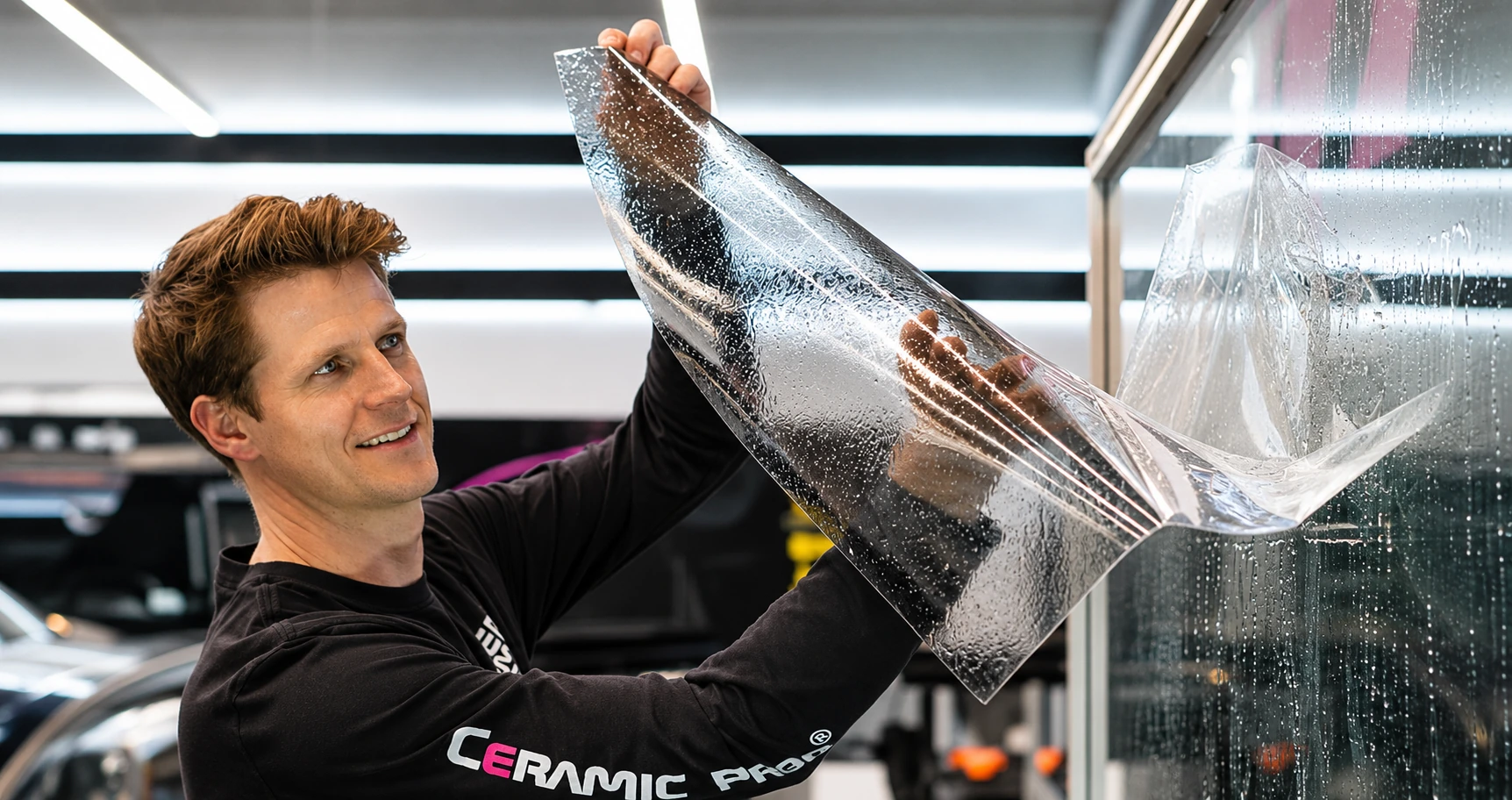
Magnus Pro SkyShield is a specialised protective film designed for panoramic glass roofs and sunroofs.
It combines solar-control technology with an additional protective layer for suitable roof glass.
Engineered for Panoramic Roofs
SkyShield is developed for the unique combination of overhead sunlight, exposed glass and panoramic roof design.
Solar Heat Control
The film incorporates infrared rejection to help manage part of the solar energy associated with cabin heat gain.
UV Protection
SkyShield offers manufacturer-published 99% UV rejection.
Physical Surface Protection
Its 7.5-mil construction is engineered to help protect against certain minor impacts, scratches and environmental exposure.
Self-Healing Surface
SkyShield includes a heat-responsive self-healing surface designed to help suitable fine marks recover.
Choice of Appearance
Four VLT options allow customers to choose different levels of visible light.
Professional Installation
Installation suitability depends on the vehicle, original glass and manufacturer requirements.
SkyShield brings together overhead solar control, panoramic roof protection and personalised shading in one specialised film system.
Explore:
6. How Does SkyShield's Six-Layer Construction Work?
SkyShield's published construction includes six listed elements designed for material protection, handling, solar-control and adhesion functions.
The manufacturer identifies:
- Protective Liner.
- Top Coating Layer.
- Urethane Substrate.
- Color Layer.
- Acrylic Adhesive.
- Liner.
Protective Liner
Provides temporary material protection during handling and installation.
Top Coating Layer
Contributes to the film's exposed surface characteristics.
Urethane Substrate
Forms an important part of the engineered protective film body.
Color Layer
Creates the selected visual shading characteristics.
Acrylic Adhesive
Helps secure the film to a suitably prepared surface.
Liner
Protects the relevant material surface before installation.
Construction Table
| Published Element | Main Role |
|---|---|
| Protective Liner | Temporary protection |
| Top Coating Layer | Surface characteristics |
| Urethane Substrate | Protective film structure |
| Color Layer | Appearance and light control |
| Acrylic Adhesive | Adhesion |
| Liner | Temporary material protection |
The listed temporary liners should not be described as permanent installed-film layers unless explicitly verified.
Why Construction Matters
SkyShield's design combines protective film characteristics with solar-control functions.
This is different from choosing a product based solely on darkness.
The value of SkyShield lies in its integrated material system—not simply the number of listed construction elements.
7. What Do SkyShield's 95% IRR and 99% UVR Mean?
SkyShield publishes two prominent solar-control figures.
They measure different characteristics.
95% Infrared Rejection
The published IRR figure describes infrared rejection under the manufacturer's relevant measurement method.
Infrared is an important part of solar radiation.
99% UV Rejection
The published UVR figure describes ultraviolet rejection.
It does not measure total solar heat rejection.
Is 95% IRR Equal to 95% Heat Rejection?
No.
IRR is not the same as Total Solar Energy Rejection.
The complete solar spectrum also includes visible light and ultraviolet radiation.
Does 95% IRR Mean a 95% Cooler Cabin?
No.
A percentage of infrared rejection cannot be translated directly into a percentage reduction in cabin temperature.
What Is TSER?
Total Solar Energy Rejection is a broader measure of the solar heat rejected by a tested glass-and-film system.
It is useful for comparing total solar-control performance.
Does SkyShield Publish a TSER Figure?
The current public SkyShield product page highlights IRR and UV rejection.
Do not invent a TSER figure if the exact tested value for a given shade is not available.
What Should Customers Ask?
Ask for the relevant model-specific specifications, measurement conditions and any available TSER or SHGC data.
Solar-Control Measures Explained
| Measurement | What It Describes |
|---|---|
| IRR | Infrared rejection over a specified range |
| UVR | Ultraviolet rejection |
| VLT | Visible light transmission |
| TSER | Total solar energy rejection |
| SHGC | Fraction of solar heat gain admitted by tested glazing |
Why This Matters
A properly informed customer understands that heat management, UV protection and visible light transmission are different characteristics.
SkyShield's published IRR and UVR demonstrate relevant solar-control features, but they should not be mistaken for a measured cabin-temperature reduction.
For a deeper technical explanation:
8. Which Magnus Pro SkyShield VLT Should You Choose?
SkyShield is available in four published VLT options:
- 5% — Ultra Dark.
- 15% — Dark.
- 30% — Balanced.
- 75% — Light.
VLT stands for Visible Light Transmission.
It describes how much visible light passes through the tested film.
5% VLT — Ultra Dark
Designed for customers who prefer a very dark panoramic roof appearance and substantial visible-light shading.
15% VLT — Dark
Offers a dark appearance while allowing more visible light through than the 5% option.
30% VLT — Balanced
A middle-ground choice for customers who want a mix of visible light and shading.
75% VLT — Light
Designed for customers who prefer a brighter panoramic roof experience with less visible-light reduction.
SkyShield Shade Comparison
| VLT | Published Label | Visual Preference |
|---|---|---|
| 5% | Ultra Dark | Deep shading and dark roof appearance |
| 15% | Dark | Dark finish with some light transmission |
| 30% | Balanced | Moderate natural-light transmission |
| 75% | Light | Brighter panoramic view |
Does 5% Automatically Have the Best Heat Rejection?
Do not assume so without variant-specific total solar heat-rejection data.
VLT describes visible light, while TSER evaluates overall solar heat control.
Is 75% Better for Visibility?
A higher VLT allows more visible light to pass through the tested film.
However, final visibility also depends on the original glass.
Which Is Best for Malaysian Weather?
There is no universal shade for every driver.
Consider how much daylight you want inside the cabin, the original panoramic glass, solar-control priorities and vehicle compatibility.
Best Buying Advice
Choose a SkyShield shade based on your desired panoramic experience and verified performance—not simply the darkest available number.
MAGNUS PRO SKYSHIELD
Sunroof heat rejection. UV protection. Purpose-engineered panoramic glass protection.
9. Can a Lighter SkyShield Film Still Reduce Solar Heat?
Yes. A film can provide solar-control characteristics while allowing more visible light through.
However, the exact result depends on the film's technical specifications.
Visible Light and Infrared Are Different
Visible light transmission measures only one part of the solar spectrum.
Solar-Control Technology
Specialised film construction can manage portions of solar energy without relying solely on visible darkness.
Why Customers Choose Light Films
Some owners value the natural-light experience that makes panoramic roofs attractive.
Why Customers Choose Darker Films
Other owners prefer greater shading and a more enclosed visual feel.
What About SkyShield 75%?
SkyShield includes a 75% VLT option for customers seeking a lighter finish.
Do not assign an unverified TSER or temperature-reduction value to this shade.
The Practical Choice
Ask for performance information about the exact selected film rather than assuming darkness alone determines comfort.
A lighter film may be worth considering when preserving the panoramic experience matters alongside solar control.
10. Is SkyShield Different from Ordinary Sunroof Tint?
Yes.
Conventional sunroof tint is generally selected primarily for solar control and visible-light management.
SkyShield combines solar-control characteristics with purpose-engineered surface protection.
Conventional Sunroof Tint
Typical objectives include reducing sunlight, managing solar heat and adjusting appearance.
SkyShield
SkyShield is developed as a sunroof protection film with additional protective material construction.
Impact Protection
The product is designed to help protect the roof glass against certain minor impacts and environmental exposure.
Self-Healing
SkyShield includes a surface designed to recover suitable fine scratches and swirl marks.
UV Protection
SkyShield publishes 99% UV rejection.
Thickness
SkyShield's published 7.5-mil thickness is part of its protective-film construction.
Comparison
| Feature | Conventional Sunroof Tint | Magnus Pro SkyShield |
|---|---|---|
| Solar heat management | Main purpose | Yes |
| Visible-light shading | Depends on product | Four VLT options |
| UV protection | Depends on product | Published 99% UVR |
| Added physical glass protection | Product-dependent | Core product feature |
| Self-healing top coat | Product-dependent | Yes |
| Published film thickness | Product-dependent | 7.5 mil |
| Panoramic-roof positioning | Depends on film | Dedicated product |
These are category-level differences, not independent rankings of every sunroof film.
SkyShield is designed for customers who want both panoramic roof comfort and a dedicated protective film.
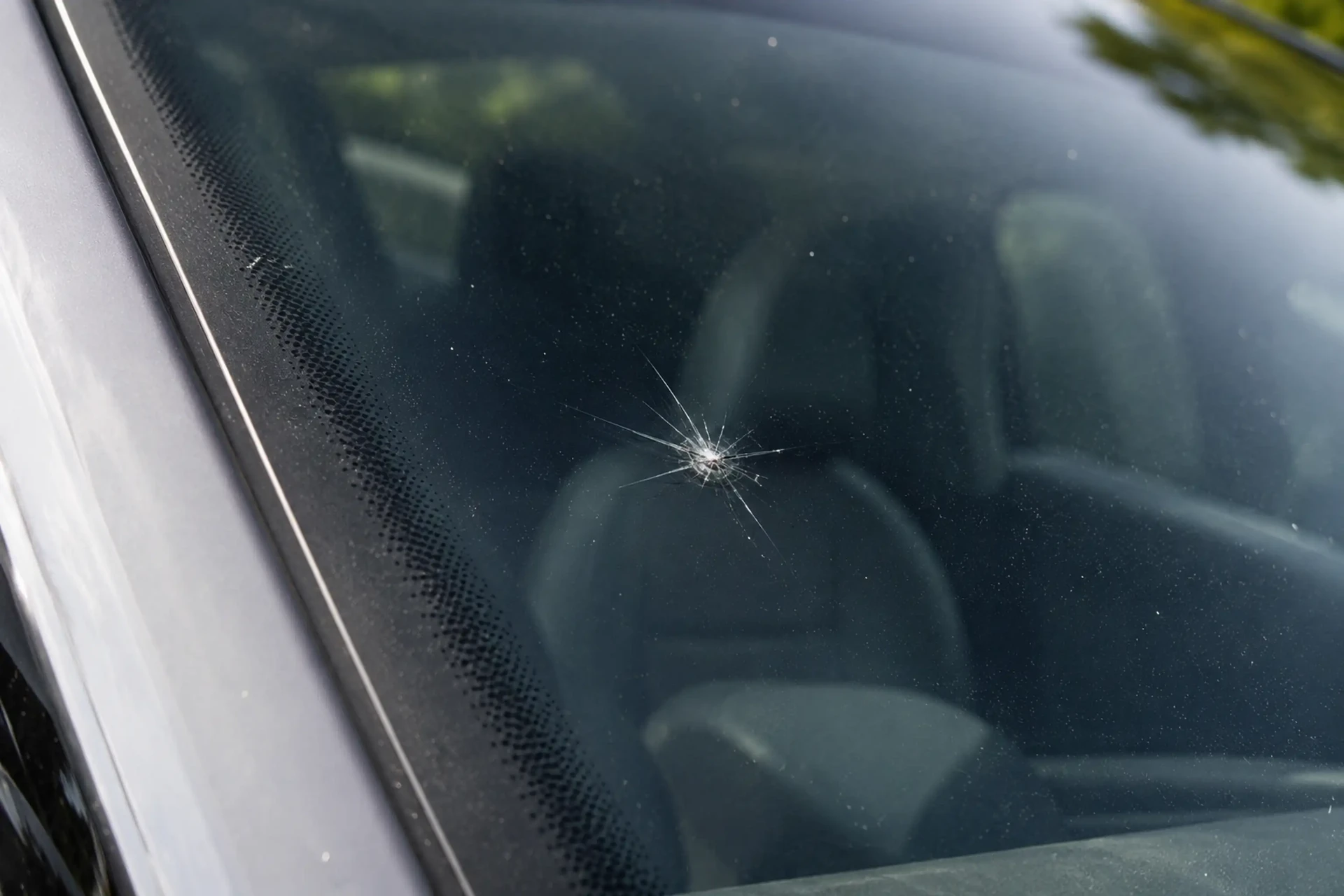
11. Can SkyShield Help Protect Panoramic Glass from Minor Impacts?
SkyShield provides an additional protective layer engineered to help manage certain external road hazards.
Everyday Exposure
Panoramic roofs can be exposed to dust, environmental contamination and minor debris.
Protective Film Body
SkyShield's urethane-based protective structure adds material over suitable glass.
Minor Surface Contact
The film is designed to help protect against certain superficial damage.
Fine Scratch Recovery
Its self-healing surface can help suitable fine marks become less visible when exposed to appropriate heat.
Severe Impacts
Any glass or film can still be damaged under sufficiently severe conditions.
The outcome depends on the impact and the glass system.
Why This Matters
The protective construction is an additional benefit beyond basic solar control.
Warranty Considerations
External impact damage and manufacturing defects are different issues.
Customers should review the current applicable SkyShield warranty and exclusions.
SkyShield combines a physical protective layer with solar-control technology to provide a more complete panoramic roof solution.
12. Is SkyShield Suitable for Electric Vehicles with Panoramic Roofs?
SkyShield may be worth considering for compatible electric vehicles equipped with panoramic glass roofs.
However, the suitability must be assessed for each vehicle.
Large Glass Roof Designs
Many modern vehicles, including electric vehicles, use expansive panoramic glazing.
Solar Exposure
A large upper glass area can contribute to the vehicle's thermal environment.
Driving Comfort
A suitable solar-control film may help manage overhead solar exposure.
Why Compatibility Matters
Electric vehicles can have specialised glass constructions and integrated roof components.
Manufacturer Requirements
Before installation, verify relevant vehicle-manufacturer guidance regarding aftermarket films.
Thermal Compatibility
The film's suitability should be assessed in relation to the original glass and thermal conditions.
Electronics and Sensors
Some vehicles include integrated sensors or other components that require consideration.
Does SkyShield Guarantee Additional EV Driving Range?
No such claim should be made without vehicle-specific evidence.
Potential energy or cooling benefits cannot be translated into guaranteed driving-range gains.
Practical Recommendation
A professional assessment is the right way to determine whether SkyShield is suitable for a particular electric vehicle's panoramic roof.
13. Can SkyShield Help Make Rear Passengers More Comfortable?
Panoramic sunroof comfort matters to more than just the driver.
Passengers seated beneath a large glass roof may experience direct overhead sunlight.
Overhead Exposure
Sunlight can enter through the upper glass and reach passenger seating areas.
Rear-Seat Comfort
Depending on the vehicle design, rear passengers may have significant exposure to the panoramic roof.
Visible-Light Shading
SkyShield's four VLT options allow different levels of visible-light transmission.
UV Protection
Its published 99% UV rejection is another relevant feature.
Combining with the Roof Shade
Occupants can use the vehicle's built-in roof shade where available.
Family Vehicles
Customers may value both comfortable visibility and reduced direct solar exposure for passengers.
Choosing a Suitable Shade
The appropriate selection depends on the original glass, passenger preferences and how much daylight the owner wants to retain.
SkyShield offers another way to personalise the panoramic roof experience for the people travelling beneath it.
14. How Should You Maintain SkyShield After Installation?
Suitable maintenance helps preserve the appearance and surface characteristics of the protective film.
Follow the approved installer's product-specific instructions.
Initial Care
Observe the recommended initial cleaning and curing guidance.
Gentle Cleaning
Use suitable automotive cleaning products and appropriate materials.
Avoid Abrasive Contact
Do not use aggressive or unsuitable cleaning tools on the film.
Monitor the Surface
Inspect for unusual marks, contamination or lifting.
Professional Support
Contact the installer when a particular condition requires assessment.
Self-Healing Care
Do not attempt unapproved heat treatment to activate the surface.
Maintenance Checklist
| Care Area | Recommended Action |
|---|---|
| First cleaning | Follow installer instructions |
| Routine washing | Use compatible cleaning materials |
| Contamination | Remove using appropriate methods |
| Surface marks | Assess before using additional treatment |
| Edges | Check visible film condition |
| Warranty | Retain installation and product records |
| Technical concerns | Consult approved installer |
A simple, careful maintenance routine helps keep the panoramic roof looking refined.
15. What Should You Ask Before Installing Sunroof Protection Film?
Before purchasing any panoramic roof film, compare the product and the actual vehicle requirements.
1. Is My Roof Compatible?
Confirm the product is suitable for the specific glass construction.
2. What Are the Film's Solar-Control Specifications?
Request the relevant IRR and any available TSER or SHGC information.
3. Which VLT Should I Choose?
Compare your preferred light level using the actual shade choices.
4. What Is the Film Thickness?
For SkyShield, the published figure is 7.5 mil.
5. Does It Offer Physical Protection?
Understand the film's intended protective characteristics.
6. Does It Self-Heal?
Confirm what type of surface marks the technology addresses.
7. How Will It Affect the Appearance?
Review the selected finish and how it looks on the actual vehicle.
8. What Is Included in the Quotation?
Clarify the roof area, film, preparation and installation.
9. What Warranty Applies?
Request the current SkyShield-specific warranty terms in writing.
10. What Aftercare Is Needed?
Ask about cleaning, curing and inspection.
Buyer Checklist
| Factor | What to Confirm |
|---|---|
| Vehicle compatibility | Roof-glass and manufacturer requirements |
| Exact film | Magnus Pro SkyShield |
| Visible light | 5%, 15%, 30% or 75% VLT option |
| Infrared rejection | Published IRR and measurement context |
| Total solar heat rejection | Variant-specific TSER/SHGC if available |
| UV rejection | Published 99% UVR |
| Protective construction | 7.5-mil film |
| Installation | Approved procedure and scope |
| Warranty | Current product-specific terms |
| Aftercare | Suitable cleaning and inspection |
Main Buying Advice
A professional sunroof-film recommendation should take the entire vehicle, glass construction, heat-control requirements and desired appearance into account.
16. Frequently Asked Questions
17. Final Verdict: Enjoy the Panoramic View with Better Comfort
A panoramic sunroof should be a feature you enjoy—not a reason to compromise on everyday driving comfort.
Large glass roofs bring natural light and an open, premium feeling to modern vehicles.
However, they can also contribute to overhead solar exposure, particularly during strong Malaysian sunlight.
Practical measures such as using the built-in shade, parking out of direct sun and managing cabin ventilation can help improve comfort.
For owners seeking a more permanent solar-control and protection solution, Magnus Pro SkyShield combines infrared rejection, UV protection and a purpose-engineered protective film for suitable panoramic glass roofs.
Its four VLT options allow owners to choose the visual experience they prefer, from Ultra Dark to Light.
SkyShield also adds a protective surface designed to help defend against certain minor impacts and everyday wear.
The right installation starts with the vehicle's glass construction, verified film specifications and the owner's comfort priorities.
PROTECTION ABOVE. COMFORT WITHIN.
Discover Magnus Pro SkyShield and explore a more refined panoramic roof experience.
About This Technical Guide
This guide is published by Ceramic Pro Malaysia to help motorists understand panoramic sunroof heat and evaluate practical comfort solutions.
The Magnus Pro SkyShield specifications, construction and shade options are based on its official Malaysian product page.
General explanations about solar heat gain and automotive glazing are supported by recognised automotive energy research.
This guide does not claim that Magnus Pro SkyShield has been independently tested in the cited external vehicle studies.
It does not assign those studies' cabin-temperature or energy-consumption results to SkyShield.
The article also does not claim a verified SkyShield TSER value, universal vehicle compatibility or guaranteed protection against structural glass breakage.
Actual results depend on the selected film, glass construction, sunlight, vehicle design, installation and driving conditions.
Sources and Further Reading
- Ceramic Pro Malaysia — Magnus Pro SkyShield Sunroof Protection Film
- Ceramic Pro Malaysia — Sunroof Protection Film in Malaysia
- Ceramic Pro Malaysia — Magnus Pro Window Film
- Ceramic Pro Malaysia — After Care & Warranty
- Royal Society of Chemistry — Transparent Radiative Cooling for Enhanced Vehicle Energy Efficiency (2026)
- SAE International — In-Situ Studies on Solar Control Glazings in Hot and Humid Climatic Zones (2020)
The independent studies provide general context about solar heat gain through automotive glazing. They are not SkyShield product certifications or direct evidence of SkyShield-specific performance. Do not reproduce copyrighted diagrams or attribute unrelated research results to the manufacturer.