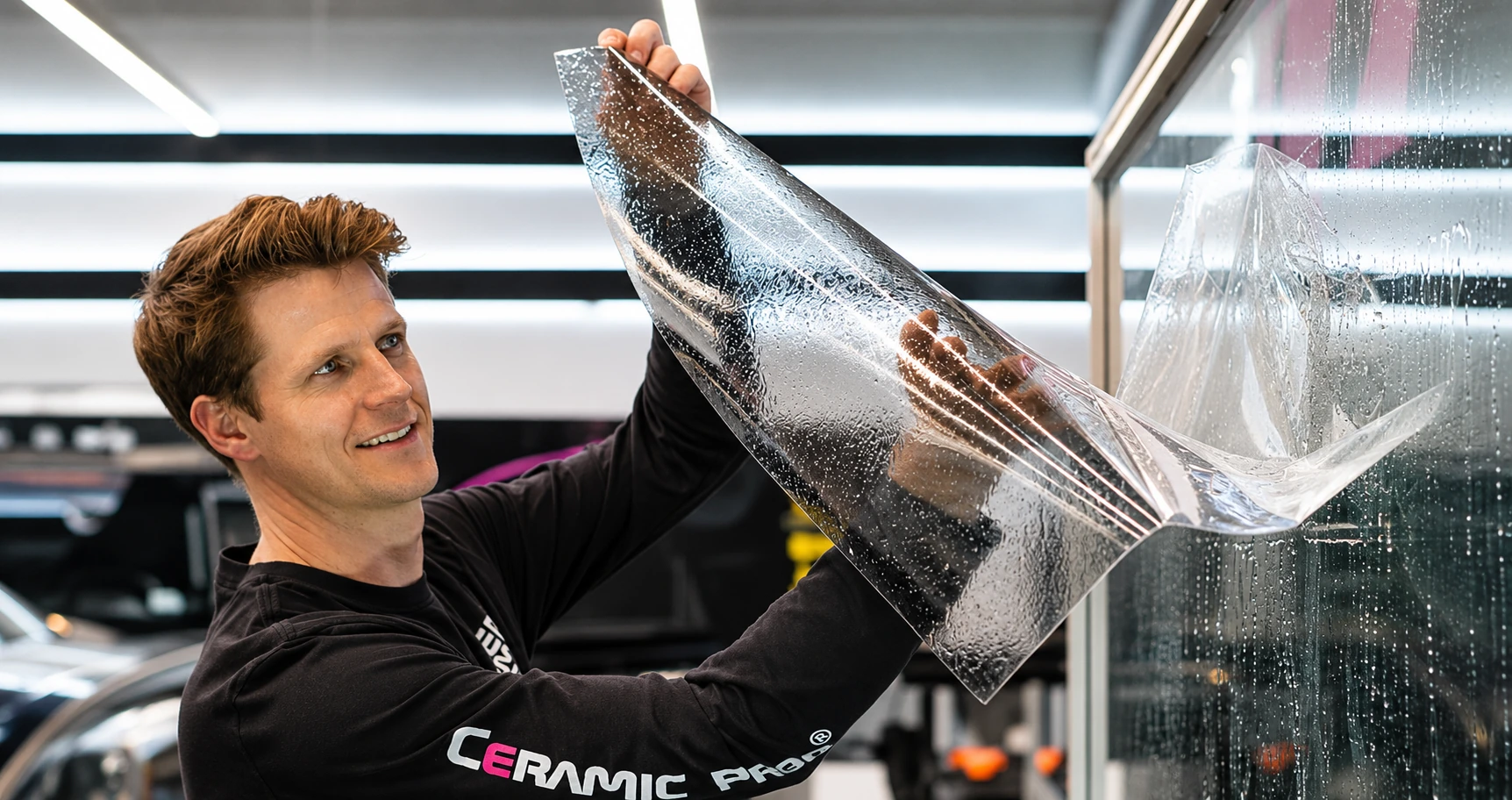
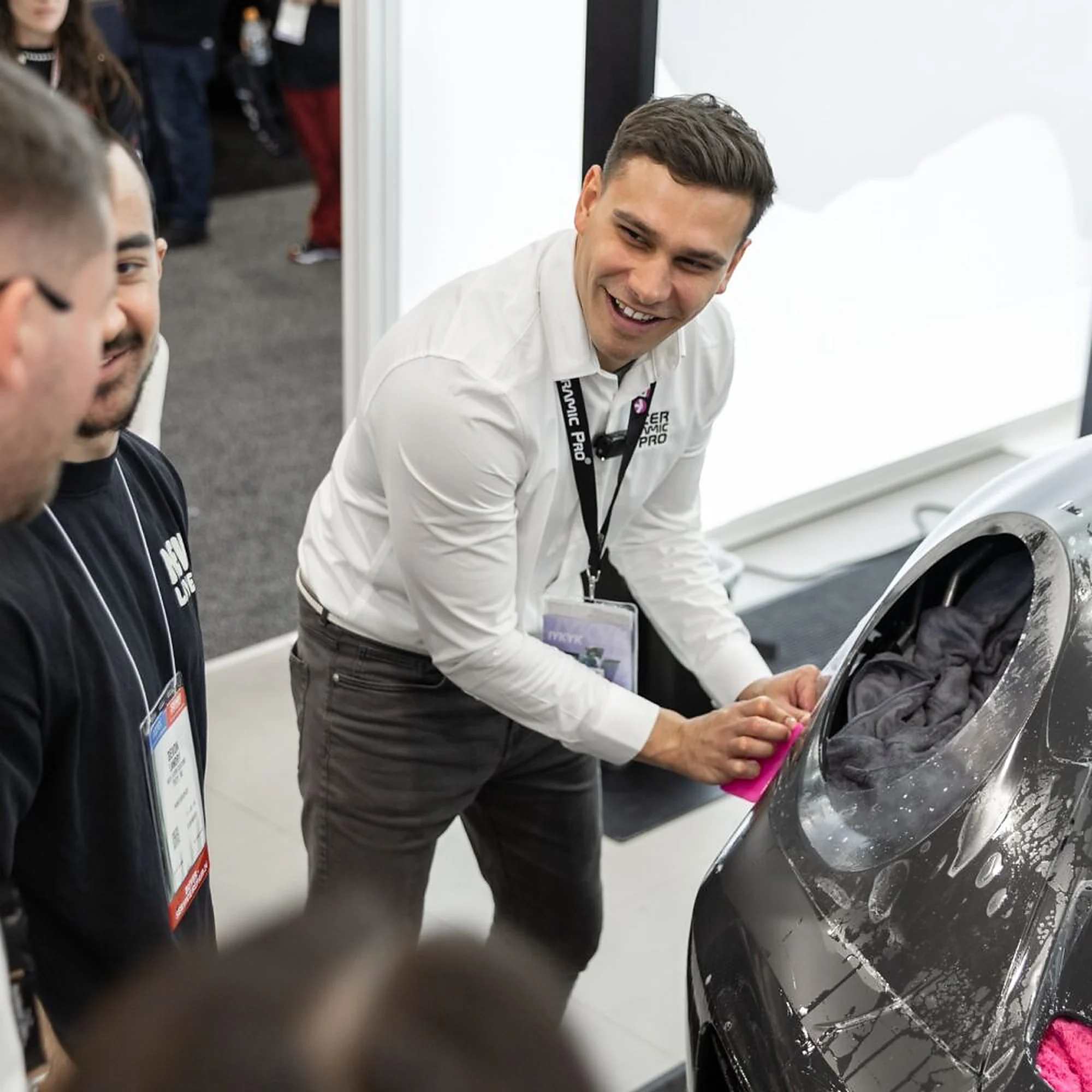
A new vehicle can look immaculate at collection and still have very different protection needs from another car of the same model.
One owner drives daily through Petaling Jaya's urban traffic. Another regularly takes the highway. A third parks outdoors for much of the day and is mainly concerned about cabin heat.
Those owners should not automatically buy the same package.
Ceramic coating, paint protection film and window tint are commonly discussed together, but they solve different problems.
The correct choice also depends on paint condition, film coverage, glazing compatibility, expected maintenance and the quality of the installation.
Ceramic Pro and Magnus Pro Petaling Jaya are located at Lot 9, Jalan 51A/223, Seksyen 51A.
This guide helps customers prepare for an informed consultation: what to inspect before work starts, how to distinguish major protection categories, what a detailed quotation should state and what to review before collecting the vehicle.
The aim is not to add the maximum number of products to a car.
It is to select suitable protection, understand its limitations and agree on clear expectations before installation.
Editorial disclosure:
This is official Ceramic Pro Malaysia first-party editorial content about Ceramic Pro and Magnus Pro.
It is not an independent ranking of local installers or a controlled comparative laboratory test.
Exact specifications, packages and warranty terms should be checked against current approved documentation and the vehicle's requirements.
The essentials
Key takeaways
Inspect paint and glass condition before comparing protection quotations. Preparation and compatibility can affect the right installation plan.
Ceramic Pro 9H helps with paint appearance, surface care and easier maintenance, but does not replace physical PPF protection.
Ceramic Pro CPF and Magnus Pro PPF are separate products. Confirm the exact film, covered panels, edge finishing and warranty.
Ceramic Pro SHIFT provides a colour-changing PPF option. View the actual approved colour and finish before committing.
Window tint should be assessed through actual TSER, VLT and suitability—not darkness or a single infrared-rejection demonstration.
Windscreen and panoramic-roof films address different glazing risks and require vehicle compatibility assessment.
A proper handover includes coverage confirmation, workmanship inspection, curing expectations, aftercare and warranty documentation.
1. Before the Package, Inspect the Car
The first decision should be about the vehicle, not the longest product list.
A useful discussion begins with paint condition, the surfaces you want to protect and your normal driving routine.
A car with existing wash marks or light swirls may require different preparation from a vehicle with clean paint.
A daily motorway vehicle faces different front-end debris exposure from a car mainly used for short local errands.
A panoramic-roof vehicle also has a separate glass surface that should be evaluated.
Ask the installer to distinguish cosmetic preparation from protective-film coverage.
Paint correction can improve the appearance of some defects before protection, but deep scratches, stone chips or previous paint repairs may require separate assessment.
Do not assume every defect will disappear beneath a coating or film.
A useful starting record includes the vehicle model and year, existing paint or glass concerns, selected service areas and any manufacturer-specific compatibility requirements.
This helps the customer and installer agree on the work actually intended.
2. Visiting Ceramic Pro and Magnus Pro Petaling Jaya
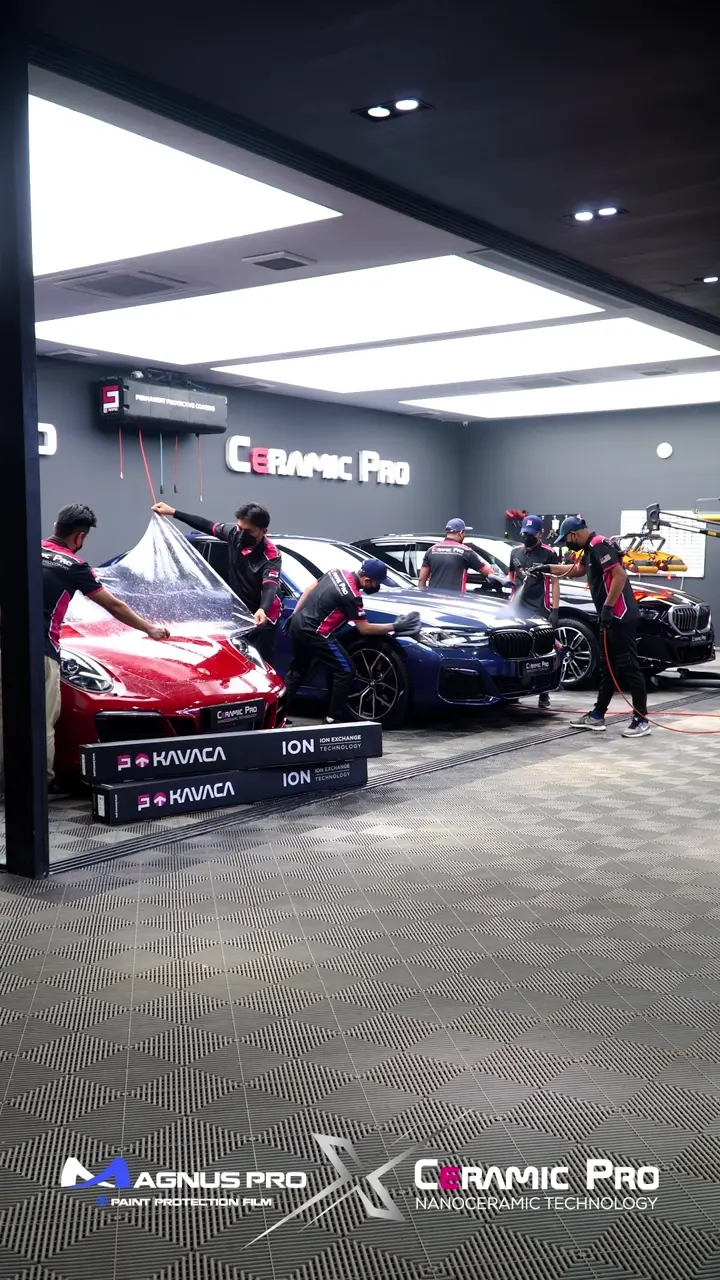
Ceramic Pro and Magnus Pro Petaling Jaya have distinct business listings at the same verified Lot 9 address in Seksyen 51A.
The product groups are related but not interchangeable.
Ceramic Pro is associated with its ceramic coating systems, CPF paint protection film and SHIFT colour PPF.
Magnus Pro offers paint protection, window film and specialist glass-film solutions.
Having several categories available for consideration allows customers to compare different approaches before selecting an installation plan.
For example, customers seeking easier paint maintenance may discuss coating.
Drivers concerned about stone chips may consider PPF.
Those experiencing glare and solar heat may examine suitable, legally compliant window films.
The final recommendation should remain vehicle-specific.
Ask the Petaling Jaya team to identify the precise product and proposed coverage rather than relying on a package name alone.
Where specialist glass or interior treatments are involved, confirm availability and compatibility before booking.
Inside Ceramic Pro and Magnus Pro Petaling Jaya
3. Match the Service to the Surface
| Service | Main purpose | Best starting reason | Limitation |
|---|---|---|---|
| Ceramic Pro 9H | Ceramic coating on suitable paint | Appearance, surface care, easier maintenance | Not a stone-chip barrier |
| Ceramic Pro CPF | Transparent physical paint film | Road debris and panel protection | Coverage and impact tolerance have limits |
| Magnus Pro PPF | Transparent protective film | Alternative PPF series for selected panels | Specifications and warranty depend on product |
| Ceramic Pro SHIFT | Colour-changing protective film | Appearance transformation with film protection | Finish and coverage must be selected carefully |
| Magnus Pro Window Tint | Solar-control window film | Sun exposure, glare and driving comfort | Does not eliminate all cabin heat |
| Windshield Protection Film | Protective layer for suitable windscreen glass | Highway impact exposure concerns | Cannot make glass unbreakable |
| Magnus Pro SkyShield | Dedicated protection for compatible roof glass | Panoramic and sunroof exposure | Not suitable for every glass construction |
| Interior Protection | Surface-specific protection for cabin materials | Upholstery and trim care | Does not prevent every stain or type of wear |
A comparison is only useful when its limitations remain visible.
Ceramic coating, transparent PPF and colour PPF should not be described as different grades of the same treatment.
Ordinary window tint is also not the same as windshield protection film.
4. Ceramic Pro 9H — Check Paint Preparation First
Ceramic Pro 9H is a coating system used on suitable automotive painted surfaces to support appearance and simplify appropriate maintenance.
A coating may help with water behaviour and the way some contamination interacts with a treated surface.
However, it does not add the same physical sacrificial layer as paint protection film.
Before selecting a coating package, ask the team to inspect the paint under suitable lighting.
Light swirls, water spots, contamination and previous correction work can affect the preparation required.
Preparation should be explained separately from the protection applied afterwards.
It is also important to understand package inclusions.
Ceramic Pro coating packages may include additional glass, wheel and interior treatments.
Customers should check the current Silver, Gold or Platinum catalogue and their exact quotation rather than assume every treatment is included.
At collection, confirm the product used, treated surfaces, initial care restrictions, recommended washing method and documented warranty.
A well-maintained coating supports surface care.
It should never be described as protection against every chip, scratch or abrasion.
Explore the Ceramic Pro 9H coating range and our PPF vs Ceramic Coating Guide.
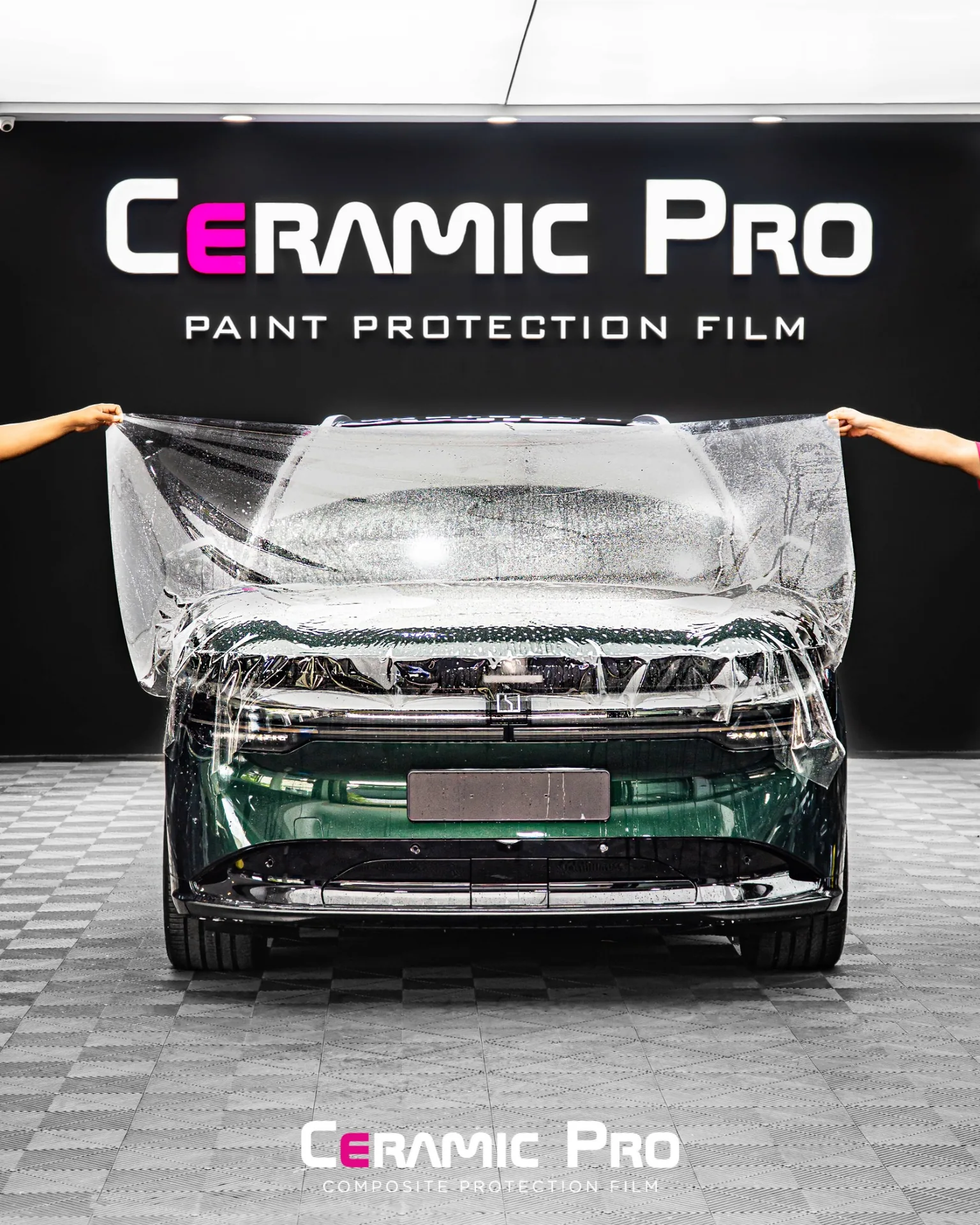
5. Ceramic Pro CPF and Magnus Pro PPF — Ask About Coverage and Edges
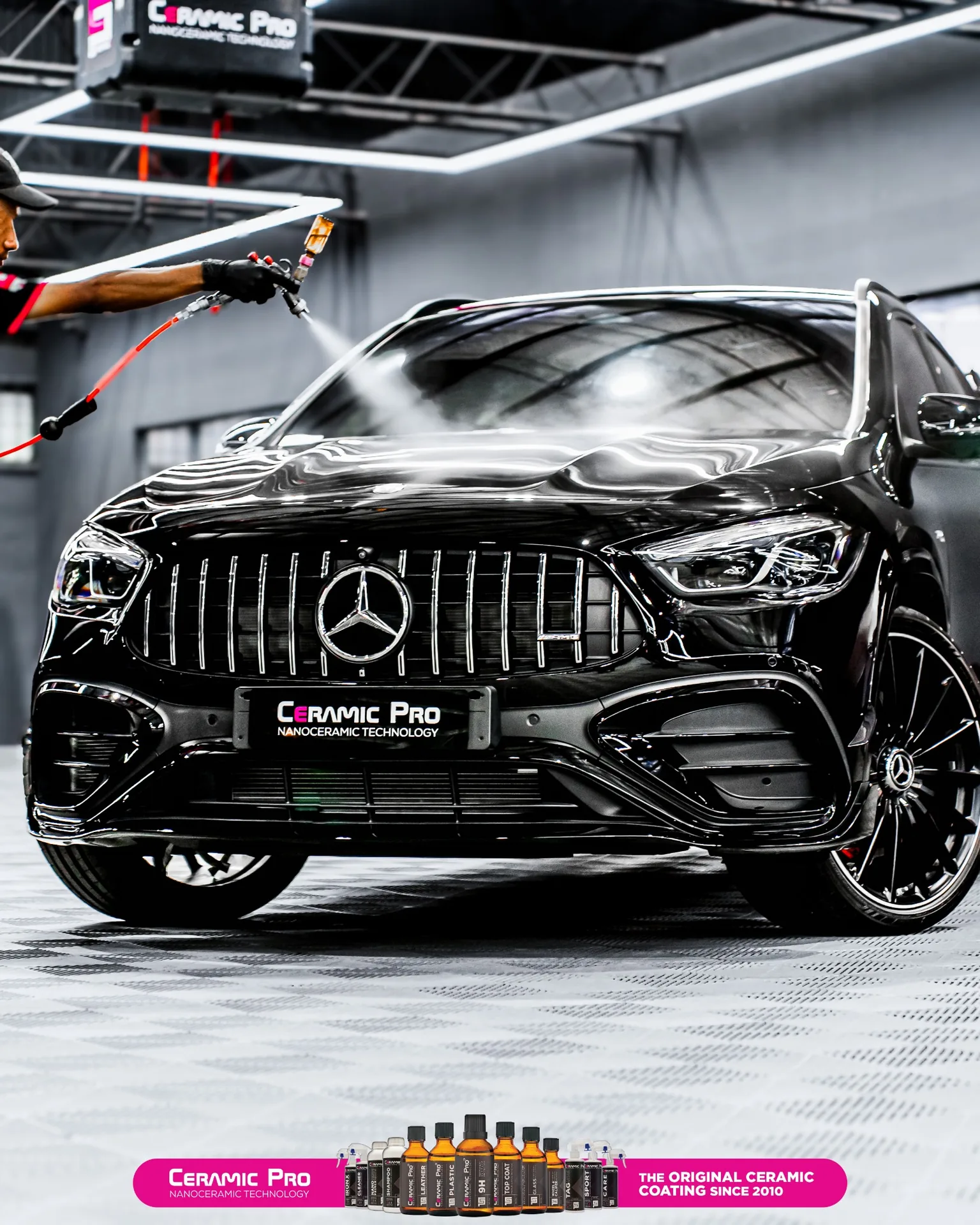
When physical paint protection is a priority, the discussion changes from coating chemistry to film coverage, placement and finishing.
Ceramic Pro CPF and Magnus Pro PPF are separate named product offerings.
Compare the exact selected films and current written specifications rather than assuming all PPF products behave identically.
For customers facing regular highway debris, the bonnet, front bumper, front fenders and side mirrors may deserve attention.
A full-front package and a full-body wrap do not provide the same coverage.
Confirm the covered panels in writing.
Ask how the installation approaches headlights, sensor housings, trim and areas where film edges may remain visible.
For Ceramic Pro CPF, Urban PPF and Magnus Pro PPF, the owner-confirmed installation workflow includes complimentary paint correction before film application.
This preparation helps address eligible swirls, fine scratches and surface contamination.
It is not a promise that every deep defect, damaged panel or previous paint repair will be corrected without further assessment.
During handover, inspect film edges, corners, seams and alignment as appropriate.
Account for the product's stated settling and curing requirements.
Ask about aftercare, any recommended inspection appointment and the exact warranty.
PPF can reduce exposure to certain stone chips, light abrasion and road debris.
Sufficiently strong impacts can still damage the film or the paint beneath it.
Compare Ceramic Pro CPF and Magnus Pro PPF. Where digital pattern preparation is relevant, our Machine Pre-Cut PPF Guide explains the approach; not every installation uses the same cutting method.
6. Ceramic Pro SHIFT — Check the Real Colour Before You Commit
Transparent PPF is mainly selected to help preserve a vehicle's existing appearance.
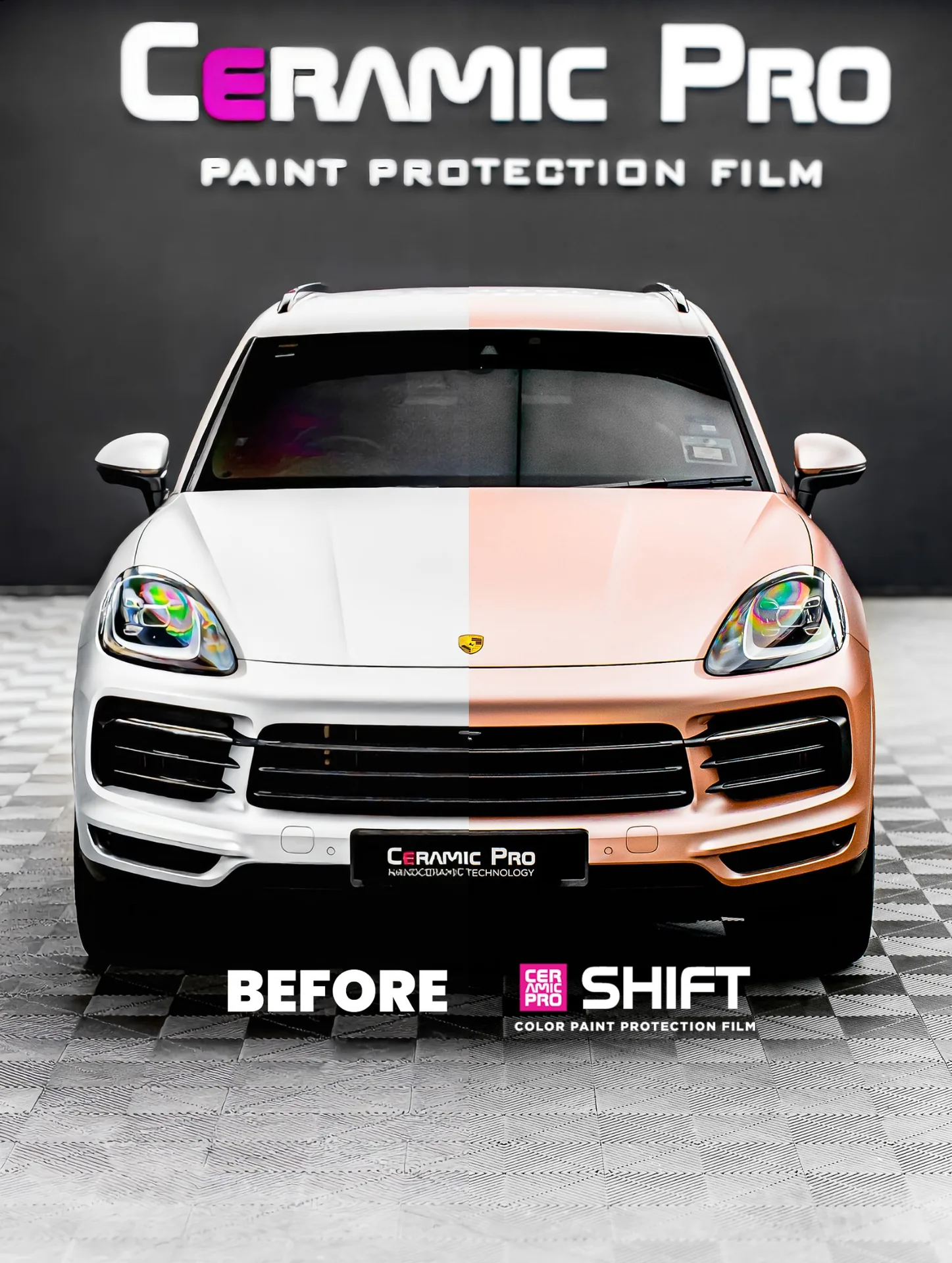
Ceramic Pro SHIFT is different because its film is intended to change the vehicle's colour or visual finish while remaining within the colour PPF category.
This matters for owners comparing colour PPF with conventional wraps or paintwork.
Examine the actual finish and available approved colours under realistic lighting.
Consider how the chosen appearance changes when viewed from different angles.
A digital image or marketing mock-up is not a complete representation of the final effect.
Ask which panels are included, whether complex bodywork or trim affects installation and which maintenance instructions apply to the selected film.
Verify that the colour and finish are included in the current product range.
A colour-changing application may require additional regulatory or insurance consideration, depending on the vehicle and the extent of its appearance change.
Do not provide a blanket legal conclusion without checking current requirements.
View the current Ceramic Pro SHIFT Colour PPF range.
7. Window Tint — Compare TSER and VLT, Not Just Darkness
Many Petaling Jaya drivers want a more comfortable cabin during sunny daily commutes.
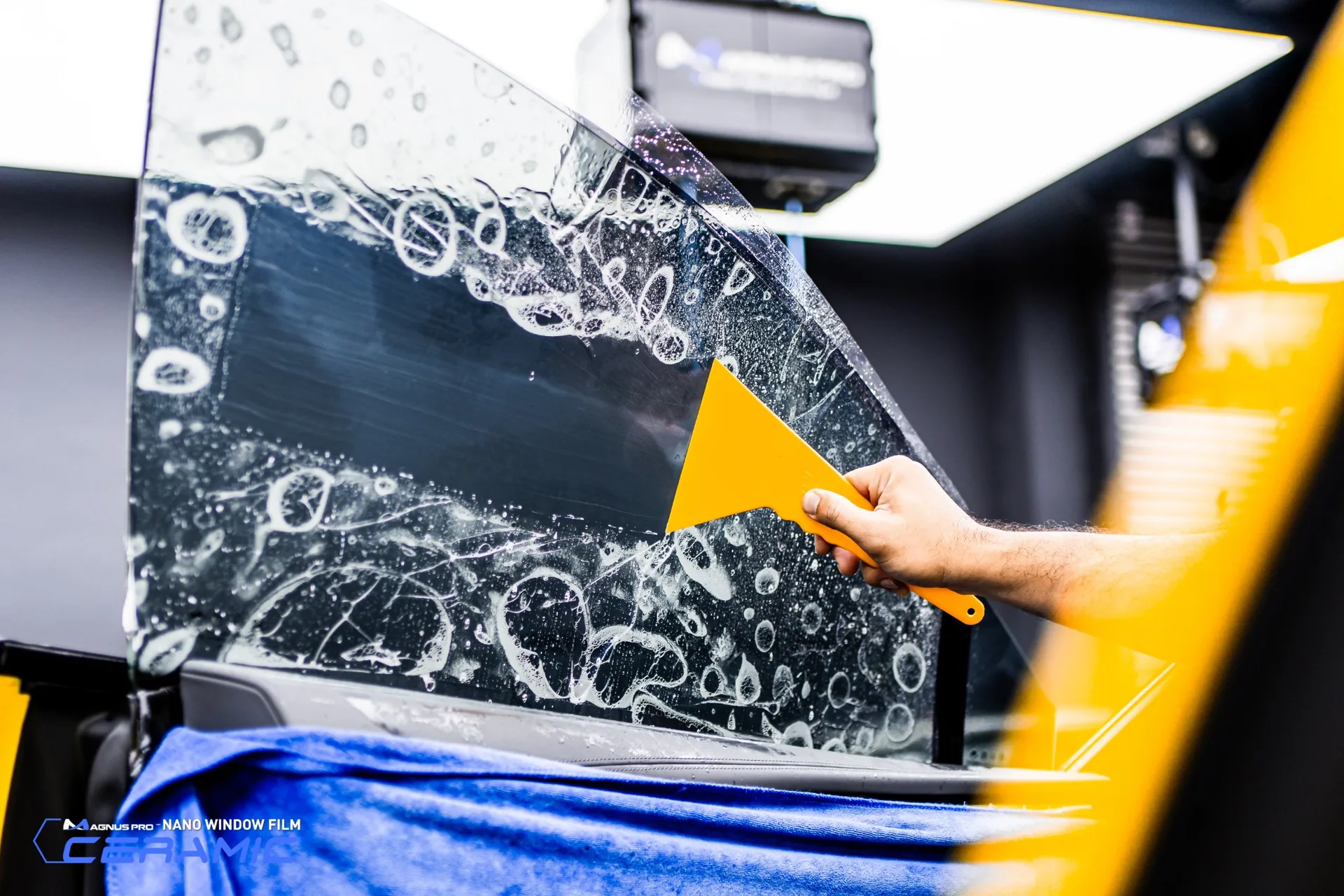
Window tint can help reduce solar energy and glare entering through treated vehicle glass.
However, it cannot eliminate every source of heat.
The roof, other glass surfaces, parking conditions and air-conditioning system still affect comfort.
Visible Light Transmission, or VLT, indicates how much visible light passes through the glazing.
Total Solar Energy Rejection, or TSER, describes broader solar-energy rejection under a specified test method.
Infrared rejection values require interpretation because different measurements may cover different infrared wavelength ranges.
A dramatic heat-lamp demonstration or very dark film cannot establish an exact final cabin temperature.
Magnus Pro Nano Ceramic may suit customers prioritising solar control and optical clarity.
Magnus Pro Nano Titanium may be relevant to customers also considering its documented safety-film characteristics.
Compare exact models, VLT options, performance measurements and warranty conditions.
For ordinary private passenger vehicles, established Malaysian rules commonly require at least 70% VLT for front windscreens and 50% VLT for front side windows.
Different vehicle categories or circumstances may have other requirements.
Verify current JPJ and PUSPAKOM guidance.
The finished glass-and-film combination matters.
Do not assume a film's printed VLT is identical to the completed glazing measurement.
Explore Magnus Pro Window Film, compare the TSER vs IRR Guide and review the JPJ VLT Rules Guide.
8. Windshield Protection Film — A Separate Glass Decision
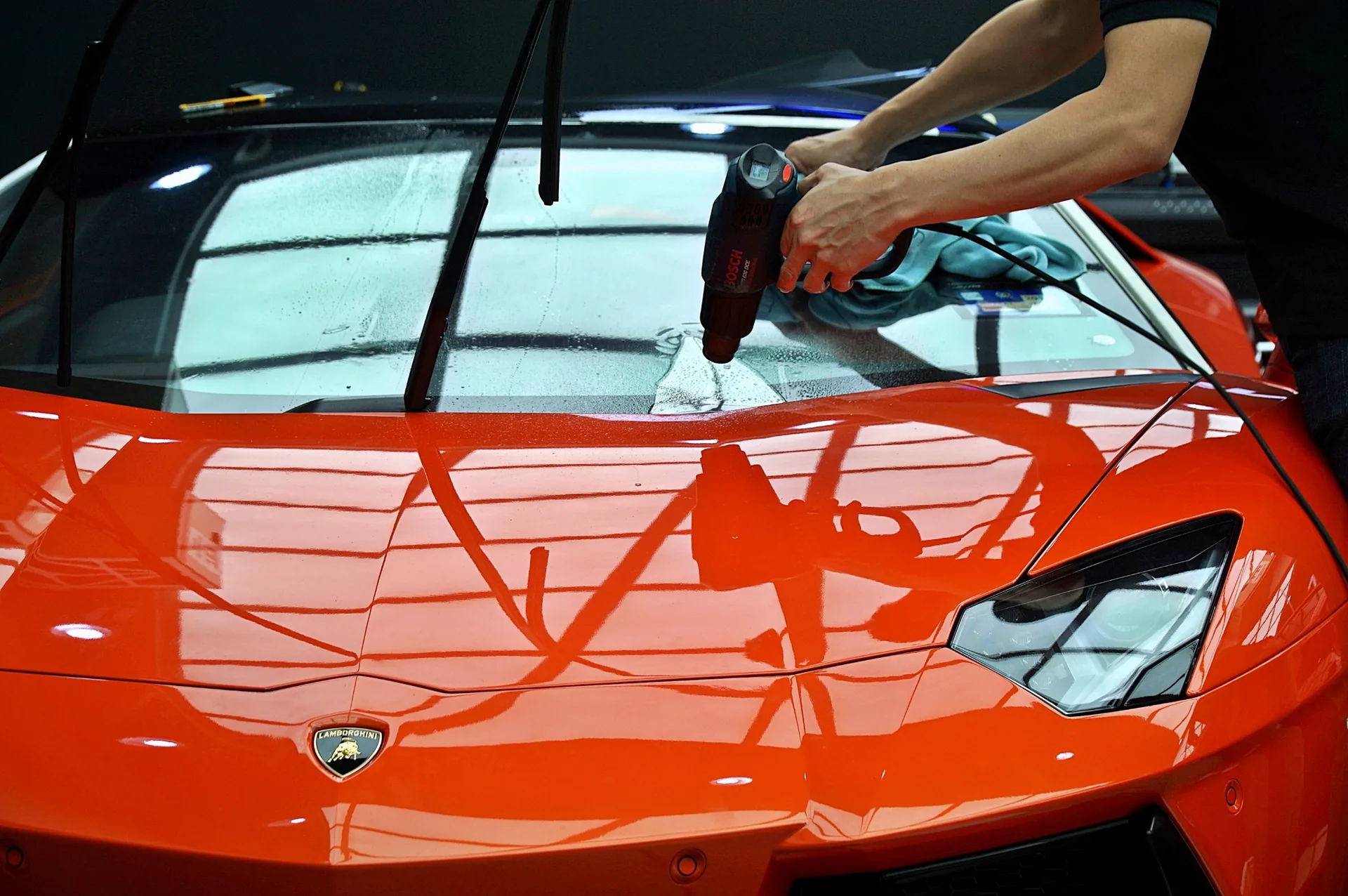
A windscreen is a large exposed glass surface, particularly during expressway travel.
Small stones and road debris can cause chips or cracks depending on the force and nature of an impact.
Dedicated windshield protection film is intended to address part of that exposure where the glass and protective-film system are compatible.
This category should not be confused with ordinary automotive tint.
The main question is not how dark the windscreen appears.
Instead, assess protective purpose, optical clarity, vehicle compatibility and relevant legal requirements.
Check whether the vehicle has cameras, sensors or advanced driver-assistance equipment that requires additional consideration.
Ask about the condition of the existing glass, wiper operation, expected maintenance and potential replacement needs.
No film can guarantee that a windscreen will never crack, chip or require replacement.
Read the official Magnus Pro Windshield Protection Film page.
9. Magnus Pro SkyShield — Confirm Panoramic-Roof Compatibility
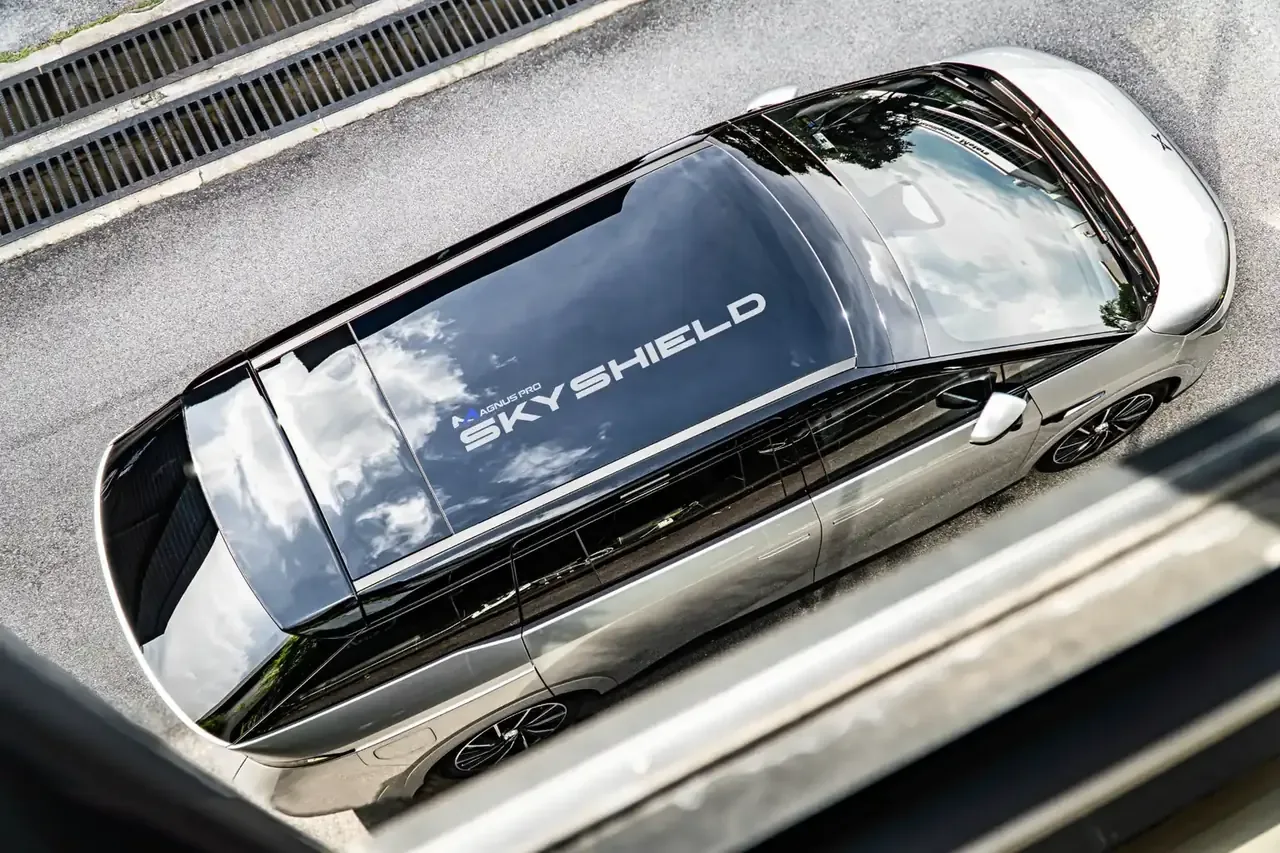
Vehicles with panoramic roofs create another area of exposed automotive glazing.
The roof may incorporate special glass construction, factory treatments, shading systems and manufacturer-specific restrictions.
These details may differ from those of ordinary side-window glass.
Magnus Pro SkyShield is a specialist sunroof protection-film product.
It should be evaluated independently rather than assuming conventional window tint can be applied to every roof.
Before installation, confirm the vehicle model, roof construction, existing glass condition, compatibility and current manufacturer guidance.
Ask whether your concern is impact exposure, solar comfort or another risk.
Then establish which of these concerns the selected approved product is intended to address.
SkyShield cannot guarantee protection against every form of breakage, heat or weather damage.
If compatibility cannot be established, installation should not be treated as routine.
Explore Magnus Pro SkyShield.
10. Interior Protection — Match the Product to the Material
Protecting a vehicle's exterior is only part of maintaining its appearance.
Interior materials experience repeated contact, skin oils, dust, friction and occasional spills.
Leather upholstery, plastic trim and textile surfaces have different care requirements.
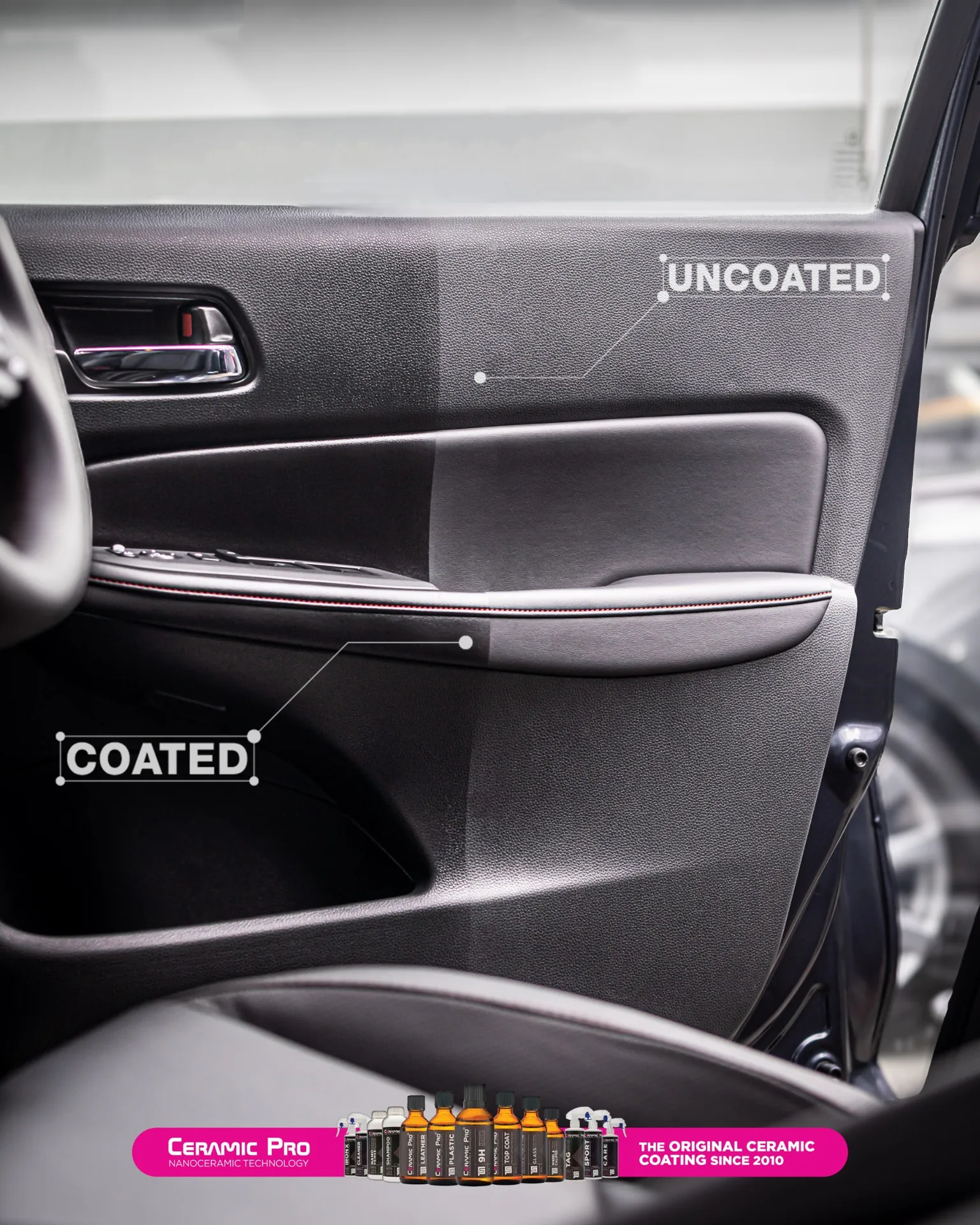
Ceramic Pro offers surface-specific products for suitable leather, plastic and textile interior materials.
The correct treatment should depend on the actual surfaces and their condition.
Customers should ask whether their selected coating package includes interior care.
Request a written list of the exact seats, panels or surfaces receiving treatment.
Do not assume every Gold or Platinum package includes every interior product or material.
Interior protection may assist with suitable maintenance, but it does not make a surface immune to cuts, dye transfer, abrasion or every possible stain.
Follow the prescribed cleaning instructions rather than using inappropriate chemicals or abrasive tools.
Read our Car Interior Protection Guide.
11. A Practical Collection-Day Inspection Checklist
The job is not finished for the customer simply because the installer says the car is ready.
Collection is the time to understand what was installed and what should happen afterwards.
Start with the quotation and the actual surfaces treated.
For PPF, ask the technician to identify the covered panels and explain visible edges, corners, seams and complex trim areas.
Understand which temporary appearance changes may occur during the specified settling period.
Do not peel, lift or attempt to repair a film edge yourself.
For ceramic coating, confirm the treated surfaces and the applicable curing and washing guidance.
For window tint, verify the installed model and intended legal glazing configuration.
Ask which temporary moisture patterns are normal during curing and when they should be assessed.
Windscreen protection, SkyShield and interior treatments may each have different aftercare.
Obtain the applicable warranty documents, maintenance instructions and appropriate contact for later inspection.
Taking a few photographs during collection can help document the vehicle's condition.
If something is unclear, request an explanation before leaving.
A good collection process is based on understandable information, not promises that treated surfaces can never become damaged.
12. Choose a Package for the Way You Drive
| Owner concern | Starting service | Possible addition | What to verify |
|---|---|---|---|
| New vehicle, preserving gloss | Ceramic Pro 9H | Interior Protection | Paint condition and included surfaces |
| Frequent highway stone chips | Ceramic Pro CPF or Magnus Pro PPF | Windshield Protection Film | Exact panel coverage, preparation and warranty |
| Changing exterior appearance | Ceramic Pro SHIFT | Suitable window tint | Actual colour samples, finish and legal considerations |
| Hot parked cabin and glare | Magnus Pro Window Tint | Separate roof-glass assessment | TSER, VLT and glazing compliance |
| Windscreen chip concerns | Windshield Protection Film | Front-end PPF | Glass and vehicle compatibility |
| Panoramic-roof concerns | Magnus Pro SkyShield | Suitable window tint | Roof construction and approved applications |
| Interior wear or staining | Interior Protection | Coating package where appropriate | Materials and exact treated zones |
For a New Daily-Driven Car
A sensible combination may address the paint, solar comfort and frequently touched interior surfaces without installing every possible treatment.
For Regular Highway Driving
Front-end film coverage and windscreen exposure may deserve greater consideration.
For Cars Parked Outdoors
Window tint, shade and air-conditioning condition all affect cabin comfort.
For Long-Term Ownership
Compare maintenance requirements, warranty terms, coverage, condition and ownership cost.
No package should be recommended simply because it is the most expensive.
The correct combination is the one that matches the vehicle, realistic benefits and budget.
13. How to Visit and Book in Petaling Jaya
Ceramic Pro and Magnus Pro Petaling Jaya are listed at:
Lot 9, Jalan 51A/223, Seksyen 51A, 46100 Petaling Jaya, Selangor, Malaysia.
Before requesting a quotation, prepare the vehicle model and year and, where useful, photographs of the current paint or glass condition.
Identify your main concern:
- Stone chips.
- Paint gloss.
- Easier maintenance.
- Cabin heat.
- Colour transformation.
- Windscreen damage.
- Panoramic-roof exposure.
- Interior care.
Ask the team to identify the exact product, coverage, preparation, warranty and aftercare.
A consultation also provides an opportunity to examine suitable finish samples and discuss vehicle-specific compatibility.
Visit Ceramic Pro and Magnus Pro PJ
Use the official Ceramic Pro Malaysia Locations directory for the latest approved contact details and operating hours.
Final Verdict
The value of automotive protection is not measured by how many treatments appear on the invoice.
It comes from understanding what is protected, what the selected product is intended to do and whether the installation suits the vehicle.
At Ceramic Pro and Magnus Pro Petaling Jaya, customers can begin with a discussion of paint condition, film coverage, window-film specifications, glass compatibility and interior care.
The next step is a documented, vehicle-specific recommendation.
The collection process should then explain exactly what has been installed and how the treated surfaces should be maintained.
Choose protection with realistic expectations.
Ask for the details that matter.
Then care for each treated surface according to its actual product requirements.
Frequently Asked Questions
Sources and Further Reading
- Ceramic Pro Malaysia Locations
Official location, current contact details and operating hours.
- Magnus Pro official contact directory
Official Petaling Jaya address and separate Magnus Pro identity.
- Ceramic Pro Malaysia
Official first-party product and protection information.
- Magnus Pro
Official product information; confirm selected variants and compatibility.
- Jabatan Pengangkutan Jalan Malaysia
Confirm current glazing requirements for the actual vehicle category.